




When functional-medicine physician James Carter, MD, counsels a patient who’s heading to surgery, he offers a piece of advice they wouldn’t find on a typical preparatory checklist: Have your loved ones bring you your own food.
He believes post-surgery patients need access to nutrient-dense foods like blueberries and bone broth, rather than to the Jell-O cups and boxed orange juice served in many hospitals. These help create the best conditions for their surgical wounds to heal successfully.
“Often in wound care, believe it or not, the only thing I would do differently would be to change what someone ate,” says Carter, the medical director for the Center for Functional Medicine at Cleveland Clinic.
He views food as an essential point of clinical intervention for wound healing, and that makes it especially relevant during the days and weeks following a surgery. While surgical procedures are often lifesaving, they place tremendous physiological stress on the body, increasing metabolic demands and triggering inflammation, tissue breakdown, and immune reactions. All these processes require optimal nutritional support to heal effectively.
In this context, the effects of targeted nutrition can be profound: less inflammation, faster wound healing, and, in some cases, an earlier discharge from the hospital.
The Enhanced Recovery After Surgery (ERAS) guidelines, an ongoing project developed by the ERAS Society and implemented by many hospitals and healthcare systems around the world since 2005, also prioritize nutrient-dense diets as a key to better patient outcomes. Studies have shown that ERAS patients experience fewer complications, reduced opioid use, and shorter hospital stays compared with those following conventional recovery plans.
Think of starting a nutrition protocol before surgery as a form of “prehabilitation.”
How Wounds Heal
Surgical incisions are considered acute wounds. Wound healing unfolds in four overlapping stages.
- Hemostasis: Clotting stops bleeding in minutes to three days.
- Inflammation: Immune cells clear debris in four to six days.
- Proliferation: New tissue forms in anywhere from four to 24 days.
- Remodeling: Tissue strengthens and matures in anywhere from about three weeks to six months or more.
Progressing through these phases requires a well-functioning immune system. Disruptions from infection, poor circulation, or nutrient deficiencies can trap a wound in the inflammatory phase, slowing or even halting the healing process.
A surgical wound that isn’t largely healed after one month or completely healed after two months is considered chronic. Nutritional deficiencies often accompany chronic wounds, so tending to bottom-line nutrition can be crucial for more efficient, successful healing.
Chronic wounds affect 6.5 million Americans annually — and the risk rises significantly with age. These wounds reduce quality of life and mobility and are linked to increased morbidity and mortality.
They also carry a steep financial burden. A 2018 analysis, published in Value in Health, found that wound care costs the U.S. healthcare system an estimated $28 billion annually; total costs may be as high as $96 billion when accounting for comorbidities and complications.
When Hospital Food Hinders Healing
Despite their best intentions, many hospitals offer menus that fall short in nutrition. Meals may be high in added sugars and refined carbohydrates, low in fiber, and lacking key micronutrients necessary for recovery. In some cases, hospital foods may even interfere with healing by disrupting the gut microbiome, spiking blood sugar, and increasing systemic inflammation.
By contrast, a nutrition-forward recovery strategy reflects the core values of functional medicine, which emphasizes improving gut health, restoring immune balance, and easing oxidative and toxic stress.
Clinical research backs up this approach to wound healing:
- Protein deficiencies are linked to impaired wound healing, according to a 2014 review in Advances in Wound Care.
- Supplementing with arginine, glutamine, omega-3s, zinc, and vitamins A, C, and E accelerates healing in acute and chronic wounds, according to a 2024 Recent Progress in Nutrition
- Early intake of high-quality protein and micronutrients via a feeding tube shortens ICU stays and reduces ventilator dependency, according to a 2025 study published in the European Journal of Medical Research.
- Malnourished patients face longer hospital stays and higher complication rates than their well-nourished peers, additional studies confirm.
In other words, nutrient-poor food can delay recovery, while strategic nutrition can help fast-track it.
What to Eat Instead
So, what foods should you emphasize? Research suggests the following nutrients are key for recovery.
- Quality protein: for tissue regeneration and immune function
- Omega-3 fatty acids (EPA/DHA): to reduce inflammation and support cell-membrane repair
- Vitamin C and zinc: for collagen formation and wound closure
- Probiotics and prebiotics: to aid digestion, nutrient absorption, and microbiome balance
- Antioxidants: to combat oxidative stress from surgery, anesthesia, and medications
- Fiber: to support digestion and counteract constipation from pain meds
“People had been mistakenly focused on protein and calories for wound healing, and that’s ineffective,” Carter says. “It’s the quality of the protein [that matters].”
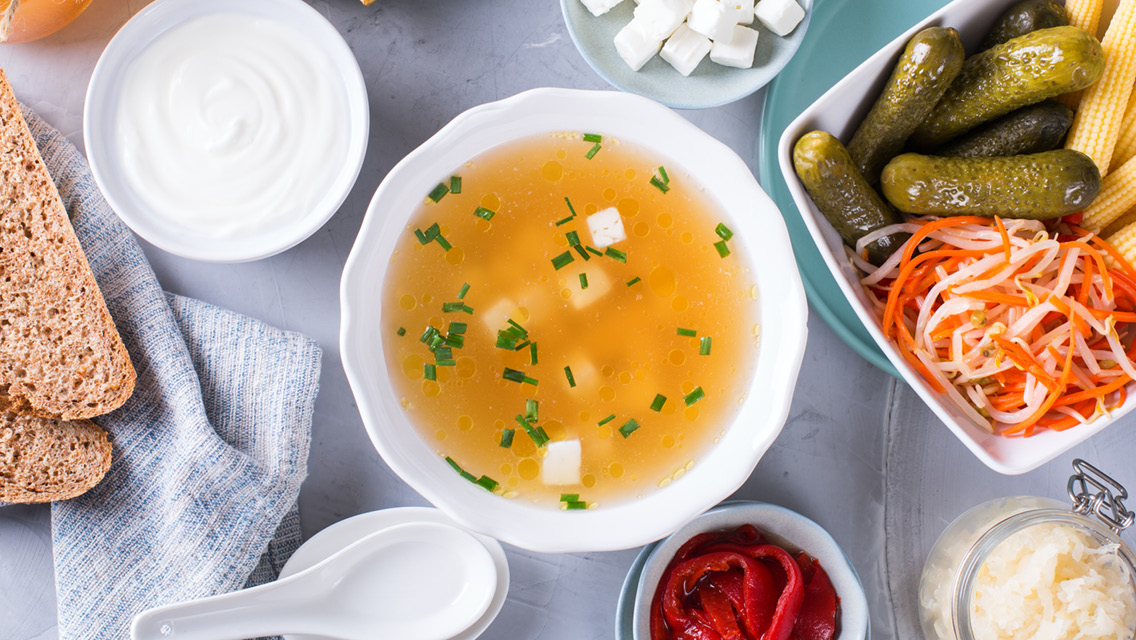
He also emphasizes the importance of good fats for building tissue and fermented foods like kimchi and sauerkraut for improving gut health. Addressing micronutrient deficiencies — he highlights zinc, copper, and selenium — is also important.
Finally, there’s Carter’s not-so-secret weapon: kefir, a fermented-milk drink that provides probiotics and protein. He recommends it “to every single patient in wound care.”
In May 2025, Carter presented his thoughts on post-surgical nutrition at the Institute for Functional Medicine’s annual conference in San Diego. There he described some of the foods that he asked his loved ones to bring when he had his own surgery.
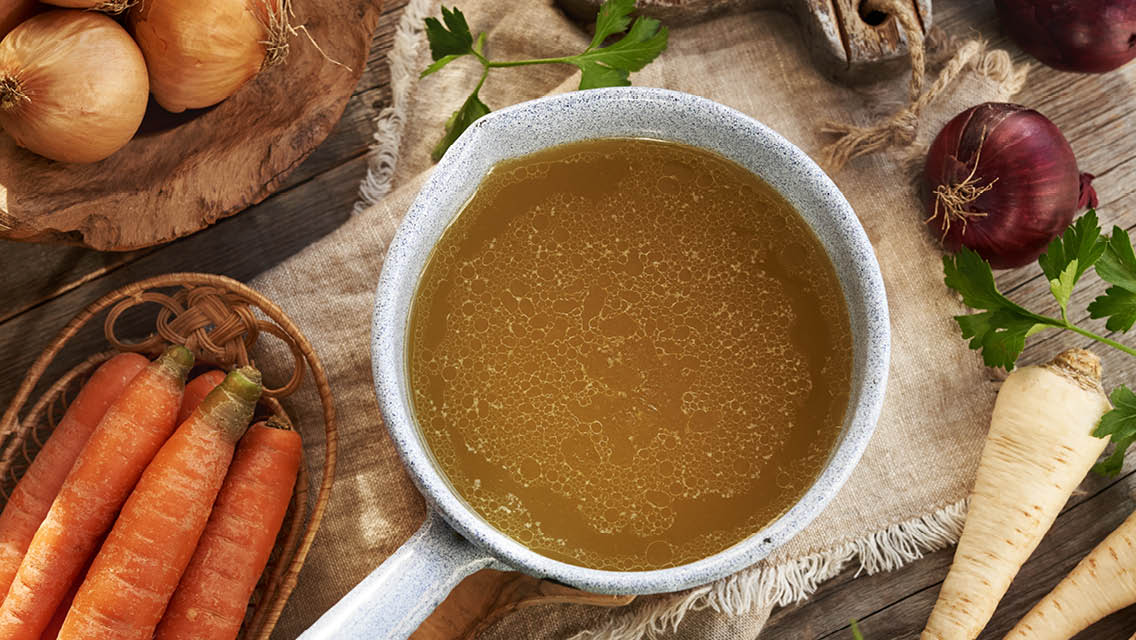
- Bone broth provides easily digestible collagen and amino acids that support tissue repair.
- Blueberries are packed with antioxidants to counter oxidative stress.
- Salmon is a rich source of omega-3 fatty acids, which help modulate inflammation and support cellular healing.
- Sweet potatoes provide complex carbohydrates for energy and beta-carotene to support tissue repair.
- Leafy greens, like spinach or kale, provide essential vitamins, minerals, and phytonutrients.
So, go ahead — ask your loved ones to bring you salmon and blueberries instead of a balloon bouquet. It’s not high maintenance; it’s high impact.


This Post Has 0 Comments