




Eggs do a lot of work in baking. They help baked goods rise, hold together, and taste rich and delectable. Eggs are also a rich source of nutrients, packed with quality protein (about 6 grams per large egg), choline, B vitamins, and other essential micronutrients. Plus, recent research confirms they’re not the cholesterol culprit they were once thought to be.
Eggs are essential in stovetop creations like omelets and frittatas, but there’s often room to substitute in baked goods. And there are plenty of reasons you might want to, whether you’re committed to a plant-based diet, trying to stretch a carton of eggs to last the week, or lacking an egg or two for a recipe.
Whatever the reason, baking without eggs is often easier than it seems, once you understand their role. “Since eggs contribute structure, moisture, protein, fat, leavening, and overall richness, I first consider the function of eggs in a recipe, then I choose the best replacer,” says plant-based chef and culinary instructor Jackie Newgent, RDN, CDN.
That might mean chia or flax gel for structure, applesauce or banana for moisture, or aquafaba for lift and lightness.
Egg alternatives can work well in many baked goods, including cookies, muffins, brownies, and cakes. Each substitute offers a slightly different texture, flavor, or performance benefit. All can help you get reliable results.
( 1 )
CHIA SEEDS
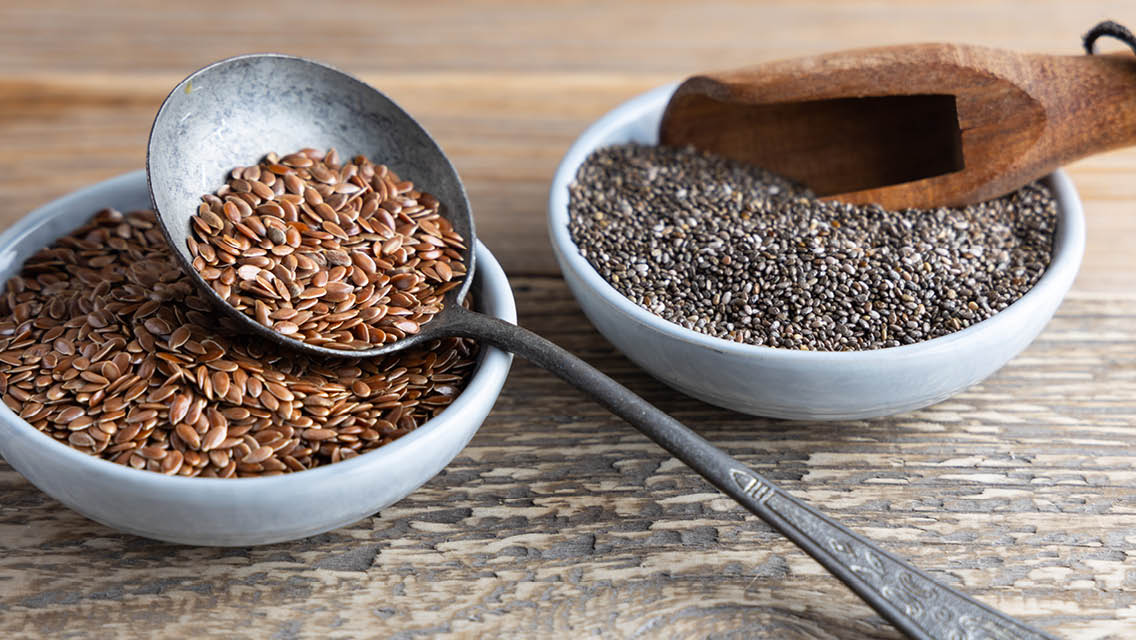
Mixing chia seeds with water forms a gel with the texture and binding ability of eggs. Let the mixture sit for at least five minutes, or until it reaches a gel-like consistency, before using it in your batter.
This swap is most effective in recipes where eggs serve mainly as a binder. Because chia gel doesn’t provide much lift, it’s better suited for denser baked goods or recipes that include other leavening agents. “It works really well in baked goodies like muffins, cookies, and brownies,” says Newgent.
You can use whole chia seeds, but grinding them first creates a smoother texture if you want to avoid visible, crunchy seeds.
Chia also adds a mild nutty flavor and a bit of extra fiber, omega-3 fatty acid, and protein.
Egg equivalent: One tablespoon of whole chia seeds (or two teaspoons ground chia seeds) mixed with three tablespoons of water is equal to one egg.
Best for: Muffins, cookies, brownies
( 2 )
FLAXSEEDS
Like chia, flaxseeds form a gel when mixed with water and are ideal for binding and adding moisture to baked goods. The method is the same: Mix ground flaxseed with water and allow the mixture to thicken for five to 10 minutes before using it in your recipe.
Baked goods made with flax gel have a smoother texture than those made with ground chia, which can be preferable in some items, Newgent says. She suggests using flax gel in recipes that could benefit from a bit of extra nuttiness or whole-grain depth, like chewy oatmeal cookies, muffins, or pancakes (try these vegan Almond Oat Protein Cookies that are made with flaxseed). Avoid using them in delicate cakes or recipes that rely on eggs for volume.
If you want to replace only some of the eggs in your recipe, feel free: One study found that you can replace up to half of the eggs with flax gel in a standard cake recipe without compromising texture or moisture — while adding an extra dose of omega-3s to your dessert.
Egg equivalent: One tablespoon of ground flaxseed mixed with three tablespoons of water is equal to one egg.
Best for: Muffins, cookies, pancakes
( 3 )
APPLESAUCE
Unsweetened applesauce is a classic substitute for oil in baked goods, but it also works well as a simple and accessible egg substitute. It adds moisture, a touch of natural sweetness, and some vitamin C.
Though it won’t provide structure or leavening on its own, applesauce’s natural acidity can help activate baking soda, so your baked goods get a subtle lift if the recipe includes both.
Using unsweetened applesauce gives you more control over the sugar content in your final product. Since applesauce is naturally sweet, it blends well with fruity or warmly spiced baked goods, like muffins, quick breads, and cakes, but you may want to skip it for neutral or savory recipes.
Egg equivalent: One-quarter cup of applesauce is equal to one egg.
Best for: Muffins, cakes, quick breads with warm spices
( 4 )
MASHED BANANA
Mashed banana is a common egg substitute that adds moisture and a hint of natural sweetness, along with some potassium and fiber.
The fruit has limitations, Newgent notes, so save bananas for recipes where that profile won’t compete, such as in warm, fruity, or chocolatey recipes. “Mashed-up bananas are great in banana bread or muffins, but their flavor may be overly fruity or sweet and may make some recipes too moist,” she says.
To keep your baked treats from becoming too dense, Newgent suggests, replace half the eggs in your recipe with mashed banana and the other half with ground chia or flaxseed gel. This will help balance the texture and add more structure.
Egg equivalent: One-quarter cup of very ripe mashed banana is equal to one egg.
Best for: Muffins or quick breads where you won’t mind a bit of banana flavor. Pancakes too.
( 5 )
AQUAFABA
Aquafaba — the viscous liquid from a can of chickpeas — has become a standout egg-white substitute thanks to its ability to whip, foam, and emulsify. When beaten, it mimics the structure and lift of egg whites, making it ideal for recipes that need volume or lightness.
Certain strategies can help you achieve great results, Newgent advises: Use aquafaba from unsalted chickpeas, chill the liquid first, and make sure you whip it long enough for it to form soft or stiff peaks, much like whipped egg whites. “It does require several minutes of patience,” she adds.
Aquafaba works especially well in airy baked goods like meringues, sponge cakes, and macarons, or to enrich the texture of cookies and brownies. On its own, it’s not particularly flavorful, which makes it versatile. Plus, you’ll get a bit of protein without any fat, which tends to weigh down light, airy baked goods.
Egg equivalent: Three tablespoons of aquafaba is equal to one whole egg; use two tablespoons for one egg white.
Best for: Meringues, sponge cakes, macarons
( 6 )
SILKEN TOFU
Blended silken tofu, a plant-based source of protein and healthy fat, works well in dense, moist baked goods and can even help create a nice browning effect.
Its mild flavor and creamy texture make it a good match for brownies, dense cakes, or bar cookies, but it won’t provide leavening or lightness.
Blend silken tofu until it’s completely smooth. Avoid firm or extra-firm tofu, which won’t integrate as cleanly into batter and can affect texture.
Silken tofu is neutral enough to take on surrounding flavors, but its slightly custardy finish means it’s not a good fit for baked goods with a firmer crumb, like biscuits or shortbread.
Egg equivalent: One-quarter cup of blended silken tofu is equal to one egg.
Best for: Dense brownies, cakes, bar cookies
( 7 )
YOGURT
Plain yogurt works especially well in recipes requiring tenderness and moisture, such as muffins, cakes, and quick breads. It doesn’t provide structure, but it helps create a soft crumb and subtle tang. You also get a boost of protein, calcium, B vitamins, and fat.
While yogurt doesn’t provide lift on its own, its acidity activates baking soda to help with leavening in recipes that call for both.
Avoid flavored or sweetened varieties, since they will alter the flavor and sugar content of your final product. Choose a full-fat option whenever possible to more closely mimic the richness that eggs add to baked goods.
Unless you choose a plant-based variety, yogurt isn’t suitable for vegan baking. Still, it works well in a wide range of recipes and is easy to incorporate with minimal prep.
Egg equivalent: One-quarter cup of yogurt is equal to one egg.
Best for: Muffins, cakes, quick breads
( 8 )
AVOCADO
Creamy, nutrient-dense avocado adds moisture, fat, and a subtle richness, making it a good fit for any baked good with a slightly fudgy texture.
Its mild flavor generally fades into chocolate or spice-based batters, though it can be detectable in lighter-flavored recipes.
Because it doesn’t bind or lift, avocado works best as an egg substitute in recipes where eggs would typically provide fat and softness, like quick breads and brownies. You get some heart-healthy fats, vitamin K, folate, and fiber with this switch, but note that avocados don’t offer the protein that eggs do.
Egg equivalent: One-quarter cup of mashed ripe avocado is equal to one egg.
Best for: Dense, fudgy brownies and quick breads
What’s in Your Egg Replacer?
Commercial egg replacers function much like eggs in baking to give structure, moisture, and some lift. There are several types, so it’s worth reading labels to find the best one for your recipe.
Some egg replacers are just liquid egg whites; many plant-based replacers are made from mung beans or other legumes. Most egg substitutes include added stabilizers like guar and xanthan gum. Some are pourable and ready to use; others come as dry mixes that require rehydration.
Powdered egg replacer is often made from starches like tapioca or arrowroot flour, along with leavening agents such as baking soda and, occasionally, binding agents like psyllium husk. Whatever product you choose, check the ingredients list carefully to ensure you know what you’re getting.
“If you’re using a commercial egg replacer, I recommend matching the product to your use — generally opting for powder mixes, which are designed to closely mimic the culinary features of eggs in baking applications,” says Newgent. She also recommends avoiding versions with excess sodium.
Egg replacers are convenient and consistent, especially in recipes where a one-to-one substitution is helpful. But even though they are made to act like eggs, they might not be usable in some highly technical recipes. “A soufflé will likely be really challenging to make using a substitute for eggs, unless you’re a pastry chef,” notes Newgent.
Quick Egg-Swap Reference
| Swap | Measurement Equaling 1 Egg | Best For | Notes |
| Chia Seeds | 1 tbs. chia seeds + 3 tbs. water | Muffins, cookies, brownies | Binding and moisture; grind seeds for smoother texture |
| Flaxseeds | 1 tbs. ground flaxseed + 3 tbs. water | Muffins, cookies, pancakes | Similar to chia; creates a smooth, soft crumb |
| Applesauce | ¼ cup | Muffins, spice cakes, quick breads | Moisture only; adds subtle sweetness |
| Mashed Banana | ¼ cup | Banana bread, brownies, chocolate cake, pancakes, muffins or quick breads | Strong flavor; may over-moisten |
| Aquafaba | 3 tbs. (whole egg) or 2 tbs. (egg white) | Meringues, sponge cakes, macarons, cookies | Whip for lift; best for egg-white structure |
| Silken Tofu | ¼ cup, blended smooth | Brownies, dense cakes, bar cookies | Adds structure and richness; no leavening |
| Yogurt | ¼ cup | Muffins, cakes, quick breads | Moisture and tenderness; choose unsweetened |
| Avocado | ¼ cup, mashed smooth | Brownies, chocolate cake, dense cookies | Adds fat and fiber; subtle flavor may show through |
| Liquid and Powder Replacer | As directed on packaging | Cakes, cookies, muffins | Performance varies; check ingredients and sodium content |


This Post Has 0 Comments