




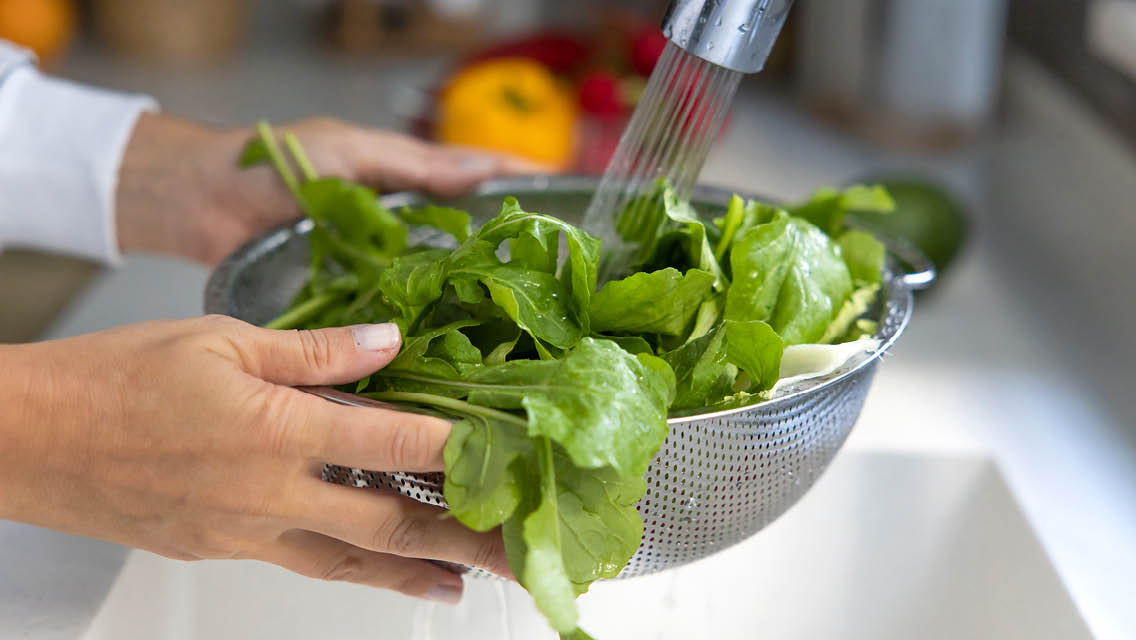
While food safety can seem like an overwhelming problem that’s outside of your control, there are vital steps you can take to protect yourself and your loved ones.
1) Understand your risk. Some people are at greater risk of severe complications from foodborne illness. These cases occur most often among those with weakened immune systems, pregnant or elderly people, young children, and people taking immunosuppressive drugs. If you or someone in your home falls into one of these categories, it’s worth taking extra care around food safety.
2) Know the most common sources. Some foods are more frequently tied to foodborne illness than others. Raw meat, poultry, seafood, and eggs should be handled safely to avoid cross-contamination, and they should be cooked thoroughly to kill any hazardous bacteria.
Avoid unpasteurized dairy products, which could harbor dangerous pathogens even if they look, smell, and taste just fine. One 2017 study found that raw dairy caused 840 times more illnesses and 45 times more hospitalizations than pasteurized milk, which is heated to eliminate harmful bacteria.
3) Cook at home. One recent study found that restaurants were by far the most common setting for exposure to foodborne illness, accounting for nearly 40 percent of reported outbreaks between 2021 and 2023. “There’s only so much a consumer can do to protect themselves from illnesses that come from prepared food,” says Kowalcyk.
While cooking your own food at home doesn’t eliminate your risk, it can significantly reduce it — especially if you’re careful about washing your hands, surfaces, and tools as you move through food prep. (Get more tips for at-home food safety at “8 Food Safety Myths.”)
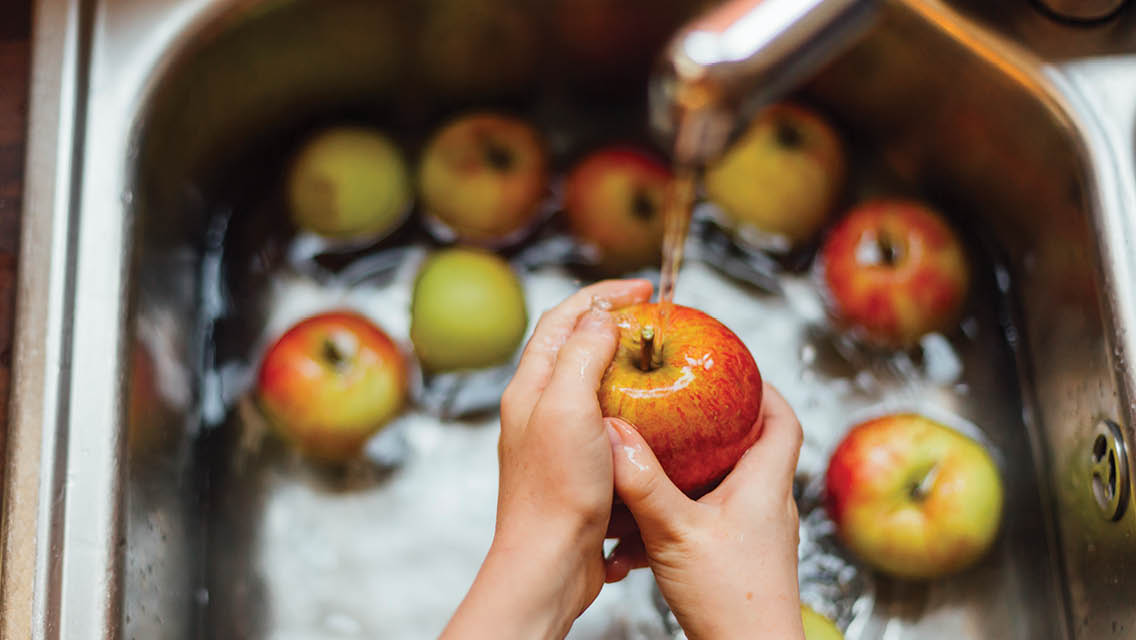
4) Wash your fruits and vegetables. The CDC estimates that 46 percent of foodborne illnesses can be attributed to produce. Unlike dairy, fresh vegetables and fruits don’t undergo pasteurization — and, unlike meat, they’re often eaten raw and not heated to a temperature that would kill most bacteria. It’s important to wash and scrub all produce under running water to remove any surface contaminants, and to store cut, peeled, and cooked fruits and vegetables at 40 degrees Fahrenheit or lower to limit bacterial growth. (For more tips, see “From Harvest to Home: A Guide to Handling Produce.”)
5) Get a kitchen thermometer. This relatively inexpensive tool is the only way to ensure that foods, especially animal protein products like poultry and beef, are cooked to a temperature adequate for killing common pathogens. “Cooking without a thermometer is like driving without a speedometer,” says Bucknavage. “You need to use one.”
6) Use common sense. You can avoid a lot of unnecessary risk simply by trusting your instincts when it comes to food safety. “If a food doesn’t look right, don’t eat it,” Bucknavage advises. “If there’s a loss of temperature control, throw it out. If a restaurant doesn’t seem sanitary, don’t go there.”
7) Consider the bigger picture. As consumers, we all have to determine our own individual risk tolerance and decide how to balance any fears we may have about food safety within the bigger picture of our overall health. For instance, leafy greens have been a source of pathogens like E. coli and Campylobacter — but they’re also incredibly nutritious.
“Overall, there is a very low probability of foodborne illness when you consider the wide usage of these products,” says Bucknavage. “And I would never recommend that someone avoid eating leafy greens. We cannot become paralyzed by concern.”
What You Need to Know About Food Recalls
Foodborne-illness outbreaks might be more common than you think. Learn how you can stay safe at “What You Need to Know About Food Recalls,” from which this article was excerpted.


This Post Has 0 Comments