


The traditional scale is an age-old method for tracking fitness or weight-loss progress, yet many experts warn that assessing your improvement based solely on those numbers doesn’t paint a clear picture of what’s really going on with your body.
There are ample data-based methods that offer insights beyond your weight on a scale that can be used to inform your health goals. Additionally, intuitive-based tracking approaches, which rely on how you feel, are also on the rise.
“If you’re looking to improve your health, I suggest adopting both a data-based measurement and an intuitive-based method, says Shannon Jarvis, RDH, RYT, digital project manager and director of MB360, a mind-body program at Life Time. “The data can inform you while your direct experiences and feelings can help guide you. Whether you choose to track progress through the number of steps you take every day, a measurement, a feeling, a routine, or some combination of options, lean into the methods that help teach you about how you’re growing.”
Here, Jarvis shares both data-based and intuitive progress-tracking methods that go beyond the use of a traditional scale.
InBody Scale
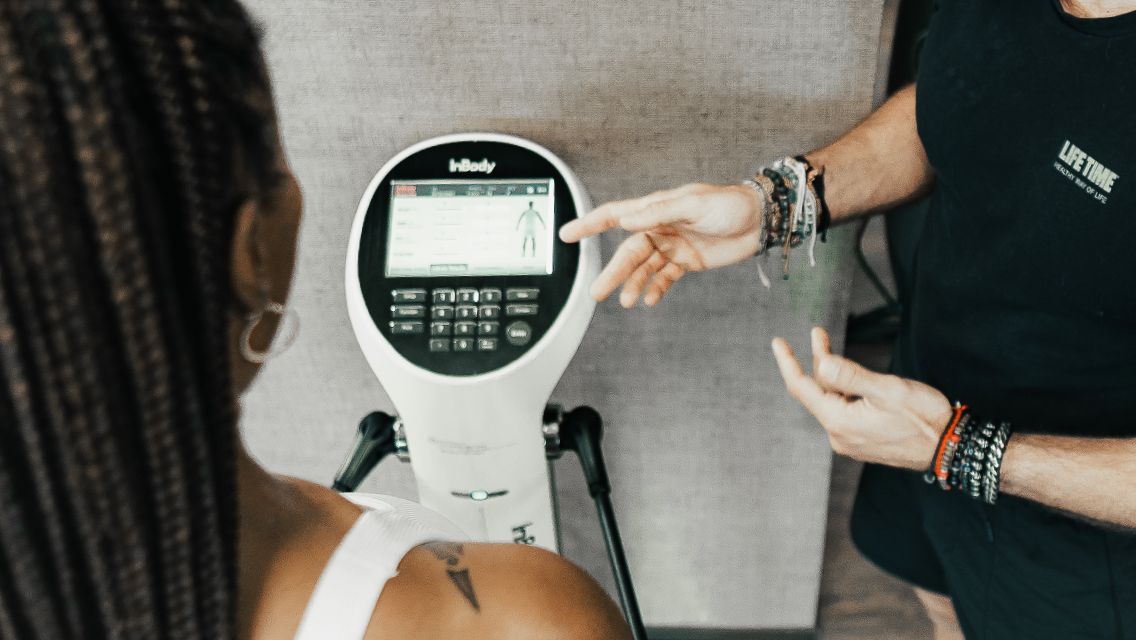
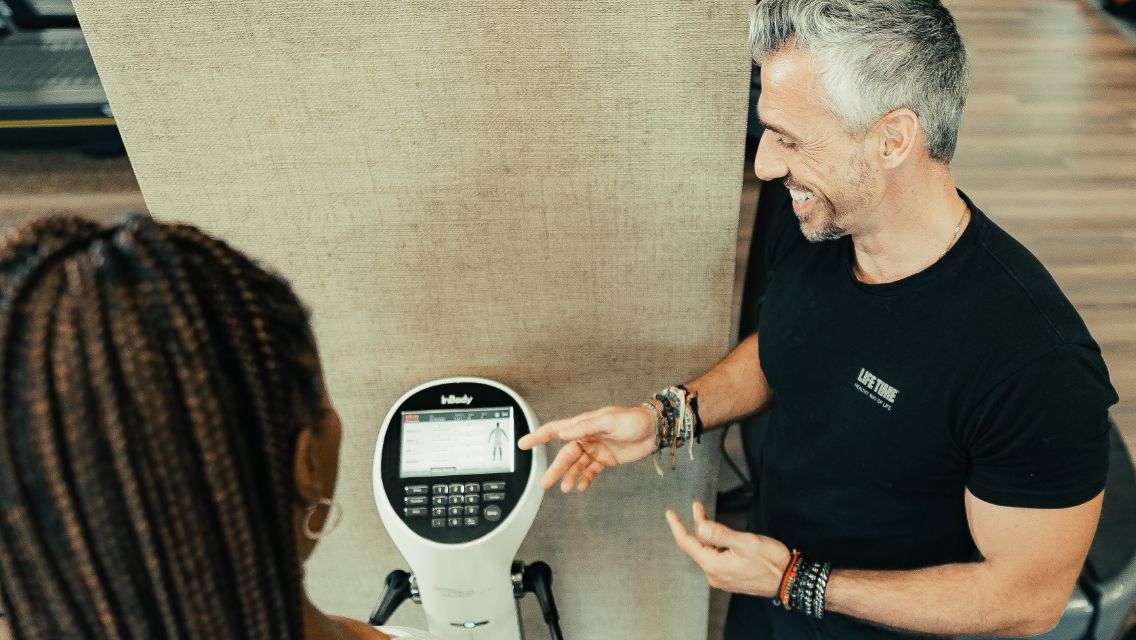
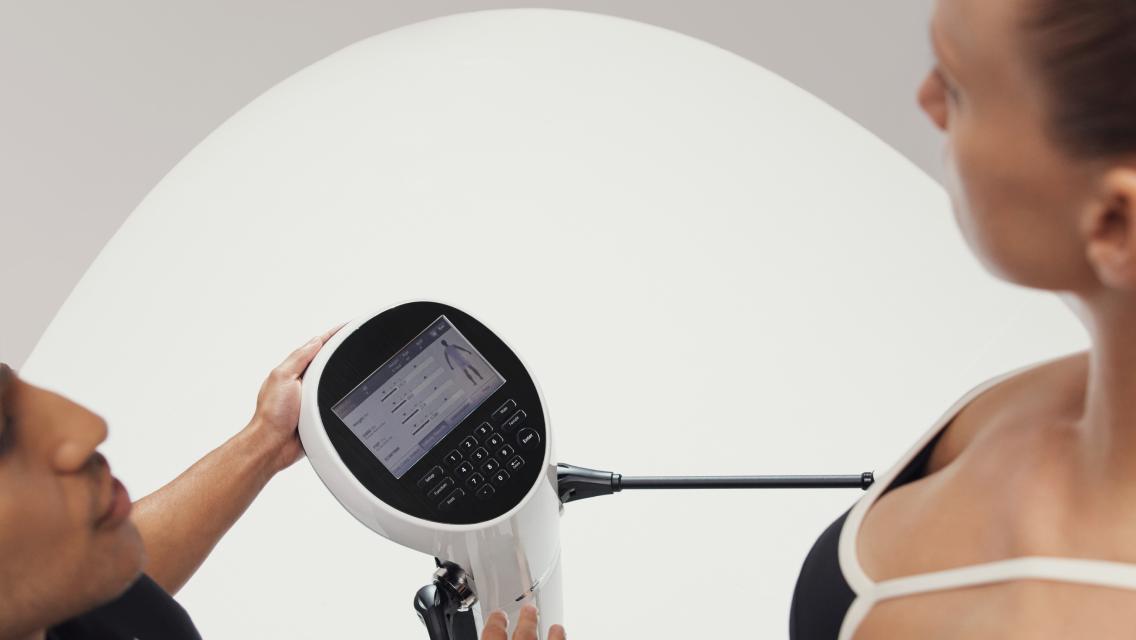
The InBody scale uses multiple frequencies and measures several body segments via eight electrodes to estimate body composition. In about one minute, the InBody scale can analyze and provide several key data points, including body-fat percentage, water ratios, and skeletal muscle mass.
“The InBody scale can help you step beyond the simple numbers to really discover what’s happening inside your body,” adds Jarvis. “For example, perhaps you don’t see your weight move, but you do see your body-fat percentage go down. That’s positive progress you wouldn’t otherwise be aware of.”
How to track it meaningfully:
- Perform an InBody scan every four to six weeks; “More frequent tracking can be discouraging, while less frequent can lead to missing meaningful shifts,” says Jarvis. (Most Life Time club locations have InBody scales on the workout floor.)
- Follow the proper pre-weigh-in protocols to ensure your data is accurate. Find those outlined here: “Why This Scale Is the Best Way to Measure Progress.”
- InBody results give you a surplus of information, but Jarvis suggests focusing first on skeletal muscle mass, body-fat percentage, and visceral fat. “Together, these three give a more accurate, actionable understanding of progress and health than weight alone,” she says.
- Skeletal muscle mass: “This indicates gains in strength and metabolism, showing whether you are building functional muscle as you train,” notes Jarvis. “An increase here means improved physical capacity, even if your weight stays the same.”
- Body-fat percentage: “This reveals the proportion of fat versus lean tissue, allowing you to distinguish between healthy changes and potential health risks. A lower body-fat percentage can mean reduced disease risk and better body composition.”
- Visceral fat: “High levels of visceral fat [fat around your organs] are linked to increased risk of serious conditions like heart disease and diabetes,” she says, “so tracking this helps you prioritize internal health benefits and long-term wellness.”
- Note the trends over time. “One scan shows a moment, while three scans (over the span of a few months) can show direction,” Jarvis adds.
Physical Measurements
Measuring key areas of your body can often show progress faster than the numbers on the scale, which can be misleading when you’re building muscle and losing fat. “Think of fat mass like pillows and lean body mass like bricks,” says Samantha McKinney, RD, CPT, director of LTH at Life Time. “Fifteen pounds of either one would spit out the same number on the scale, but they look and feel very different.” (Learn more: “Measuring Body Weight.”)
A tape measure may feel old-school, but it’s a simple and accessible way to track measurements in your waist, hips, butt, upper arms, and thighs.
“The tape measure can catch transformations that the scale misses, especially early wins as your body composition is shifting,” Jarvis says. “The scale might stay the same while your clothes fit a little differently.”
How to track it meaningfully:
- Measure the same spots — like your waist, hips, butt, upper arms, and thighs — monthly. “Pick four to five areas that feel relevant to you,” Jarvis says.
- Measure at the same time of the day in the same conditions to reduce variables. “In the morning before you eat or drink is best,” she advises.
- Record measurements in a simple tracker or journal alongside a one-line note: “How did my body feel this month?” Adds Jarvis: “Attaching self-reflection to the data can help make your progress tracking more holistic and grounded.”
Blood Markers
Blood markers that measure fasting glucose, cholesterol, triglycerides, and inflammation can help tell your body’s story at the cellular level, sometimes long before those changes show on the outside, according to Jarvis. “This method can help pivot your mind away from aesthetics to focus on building a stronger, more resilient body from within.”
Understanding the inner workings of your body can also help you be more intentional with your health. With this key data, you can tailor your nutrition, exercise, lifestyle, and supplement strategies to move your body toward an optimal balance. (Learn more: “5 Markers for Every Health-Conscious Person to Know.”)
“This is a collaborative effort,” notes Jarvis. “Work with your healthcare provider to establish a baseline and schedule regular testing — typically annually or as recommended.”
How to track it meaningfully:
- Ask your provider which markers matter most for your goals and health profile.
- Request copies of all results so you can track results over time. “As with the InBody scale, one result is a snapshot, while three results over time can show direction,” says Jarvis.
- It’s important to understand the lifestyle factors that can have an effect on these results. “Think about your sleep quality, stress levels, water intake, nutrition, and movement consistency,” adds Jarvis.
Intuitive Progress Tracking
Being intentional and present in your mind and body can provide valuable insight into your health journey, says Jarvis. “When your nervous system feels calmer, when you move with more ease, or when joy shows up more readily — that’s real transformation.”
Intuitive markers can include sleeping quality and how rested you feel upon waking; energy levels throughout the day; stress resilience and how you recover from tension; mental clarity and mood stability; or how your body feels in movement, like strength, ease, and fluidity.
“If you feel a positive change in these intuitive markers, your mind is telling you that your efforts are nourishing your whole self,” Jarvis says.
How to track it meaningfully:
- Choose three to five intuitive markers to track. “Be intentional,” suggests Jarvis. “Choose areas that truly matter to you.”
- Keep a simple daily log noting the scale of those intuitive markers. For example: sleep quality (1–10), energy (1–10), and stress level (1–10).
- Pick a day to have a weekly reflection. “Read back over your notes,” she says. “What patterns do you notice emerging? When was your energy highest? When was your sleep best?”
- Then, do a monthly deep dive. “Ask yourself, what feels different about how I move through my day compared to a month ago? What’s easier? What brings more joy?” suggests Jarvis.
Whole-Being Progress Tracking
The richness that a healthy mind and body can bring into your life surpasses any number on the scale, Jarvis stresses. “Progress is more than weight lost or muscle gained — it’s long-term well-being that prioritizes how you feel over how you look.”
Progress can also look like waking with calm energy instead of anxiety, making a new connection in a fitness class, drinking enough water, getting a certain number of steps in, or navigating high-stress moments with more ease.
“These ‘non-scale victories’ can really teach you about who you are and how you’re growing,” says Jarvis. “When you feel transformation in these different areas, progress can become sustainable.”
How to track it meaningfully:
- Notice and name your wins daily; they don’t have to be big. “It can be, ‘I moved my body intentionally’ or ‘I talked to someone new,’” suggests Jarvis.
- Every week, jot down three to five things that went well. “They might be habit-related, emotional, relational, or movement-based,” she says.
- Then, have a monthly reflection, asking yourself: Which areas of my life feel more aligned? How is my relationship with myself changing? “Your body’s story is yours to discover, cherish, and celebrate,” Jarvis adds. “This method honors what can only be felt.”