


While you’ve probably heard about the drying effects of cold temperatures on your skin, you might not be as familiar with their effects on your hair. Yet the winter elements — gusty winds, cold snaps, and dry air — can cause damage, so it’s a good idea to change up your routine before the cold sets in.
“As a hairstylist from the Midwest, I’ve seen firsthand how winter’s harsh elements can wreak havoc on hair,” says Nikki Gnatzig, hairstylist at LifeSpa in Brookfield, Wis. “Cold, dry air outside combined with indoor heating can cause hair to become dehydrated, and this lack of moisture can show up as dull, frizzy, or brittle strands that feel coarse to the touch and break or tangle easily.
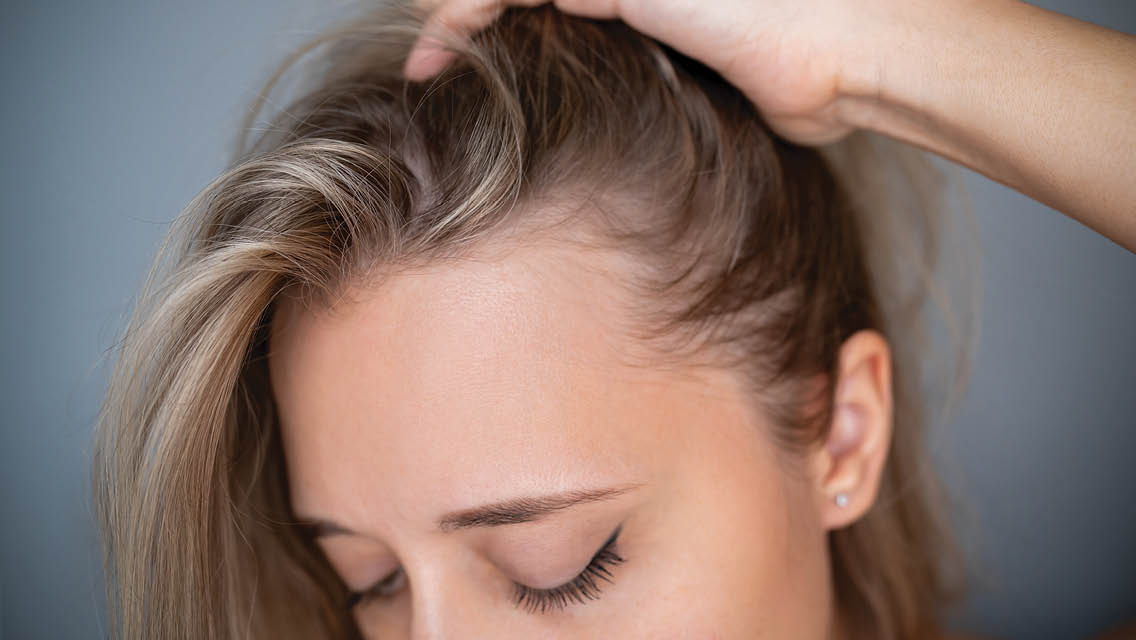
“While this damage often starts at the ends, it doesn’t stop there. The scalp, especially if exposed to the cold, dry elements, can also become dry and flaky, which can lead to itchiness. When the scalp is affected, it can also disrupt the hair’s growth cycle and overall health, which means it’s important to care for both the scalp and the hair from roots to ends as part of your winter haircare routine.”
We asked Gnatzig and a few other hair health experts to share their tips for keeping your locks hydrated and healthy in the winter months.
1. Winterize your washing.
Just as you might switch over the clothes in your closet for the change of season, consider swapping your regular shampoo and conditioner for more hydrating ones.
“Look for products designed to lock in moisture,” Gnatzig recommends. “These will help replenish hydration and protect the hair from drying out. Deep conditioning treatments once a week can also provide an extra boost of moisture. When shopping for moisture-locking hair products, look for keywords on the label, like ‘hydrating,’ ‘moisturizing,’ ‘repair,’ ‘anti-frizz,’ or ‘nourishing.’ These typically point to products formulated to add hydration. Remember, you can always ask your hairstylist for a product recommendation.”
Gnatzig recommends Kerastase Nutrive Bain Satin Shampoo — the formula includes plant-based proteins designed to nourish the hair with nutrients that also help it to retain moisture. These proteins play a crucial role in retaining moisture in the hair because they penetrate the hair shaft, helping to strengthen and nourish it. This formula also includes niacinamide (vitamin B3), which strengthens hair fiber and locks-in the proteins.
The colder months are also a good time to wash your hair less frequently. “Washing your hair too often can strip it of its natural oils,” says Gnatzig. “During the winter, try to extend the time between washes to maintain these oils, which are essential for moisture retention. Using dry shampoo can help you go two to four days between washes.”
2. Limit heat styling.
Heat styling tools like curling irons and blow dryers can further strip your hair of moisture, according to Gnatzig. She recommends trying heatless styling methods, such using heatless curlers overnight.
“If you do use heat when styling your hair, keep your tools on a low-heat setting — never using anything above 360 degrees, as anything higher can cause permanent damage to the hair. Always apply a heat protectant product to shield your hair from mechanical damage as it helps create a barrier between the hair and the high temperatures of styling tools. They often also contain ingredients that help to minimize moisture loss, reduce damage, and maintain the hair’s integrity.”
3. Consider salon support.
All types of climates can influence your hair health, according to Erika Rincon, hairstylist at LifeSpa in Westlake, Texas. “Texas winters where I am, for example, can really fluctuate,” she says. “We can have cold rainy mornings, hot afternoons, and dry, cold, windy nights, and these changes can all influence hair health.”
If you’re struggling with dry, brittle hair, Rincon recommends trying a salon hair conditioning service. “At LifeSpa, we offer a Fusio-Dose customized haircare treatment from Kérastase,” she says. “This isn’t just a hair mask — this is a treatment that penetrates the hair follicles. It uses a custom blend of skincare-grade active ingredients to address primary hair concerns, such as dryness, and to give your hair instant vitality and shine.”
Regular trims can also help to maintain the health of your hair because ends often split. “I generally recommend scheduling a hair trim every three months to take care of the split ends from keeping going up farther on the hair shaft,” says Rincon. “Adding a gloss service to your hair every four to six weeks can also help smooth down frizz that often occurs this time of the year and add shine.”
4. Spend time in the steam room.
The steam room is for more than just relaxing tired muscles. “One of my favorite tips is telling my clients to apply their favorite hair mask and then sit in the steam room at Life Time,” says Rincon. “Steam alone can help restore the moisture in your hair because it opens the hair cuticles, allowing moisture to penetrate the hair shaft. When combined with a hair mask, your hair will be able to absorb the benefits of your mask more effectively. Steam can also help open the pores on your scalp for better cleansing of impurities and improved blood flow. Improving the blood flow in your scalp has been shown to promote hair growth as well.”
5. Use a leave-in conditioner, hair mask, or hair serum.
Adding an extra product or two to your routine can go a long way toward caring for your hair in the winter, no matter the climate you live in.
“I live in the desert in Las Vegas, and the dry air can definitely affect hair health,” says Emily Youngblood, hairstylist at LifeSpa in Las Vegas, Nev. “To combat this, I like to incorporate conditioning products in my at-home routine during the winter. For example, I really like using the Kerastase Nutri-Supplement Scalp Serum one to three times per week. This healthy scalp serum helps with dryness and itchiness while providing moisture the scalp can lack during these dry months.”
Youngblood also recommends using the Chroma Filler Hair Mask from Kerastase on a weekly basis. “This mask has amino acids to help repair each broken hair strand, leaving hair silkier and smoother. It’s great for color treated hair as well to maintain the color service.”
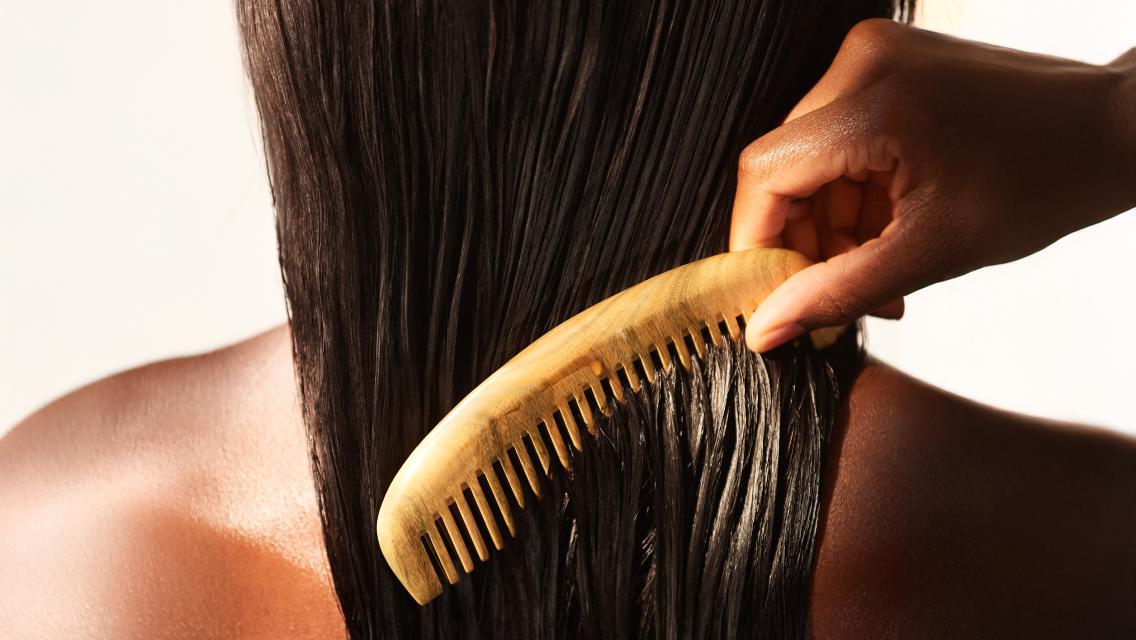
Gnatzig is also a big fan of leave-in hair products, like leave-in conditioners and hair oils. “Leave-in products are lifesavers in winter,” she adds. “They provide a protective layer that locks in moisture while offering protection from cold, dry air. Hair oils can also further help seal the hair cuticle and prevent water loss to keep your strands soft and shiny.”