




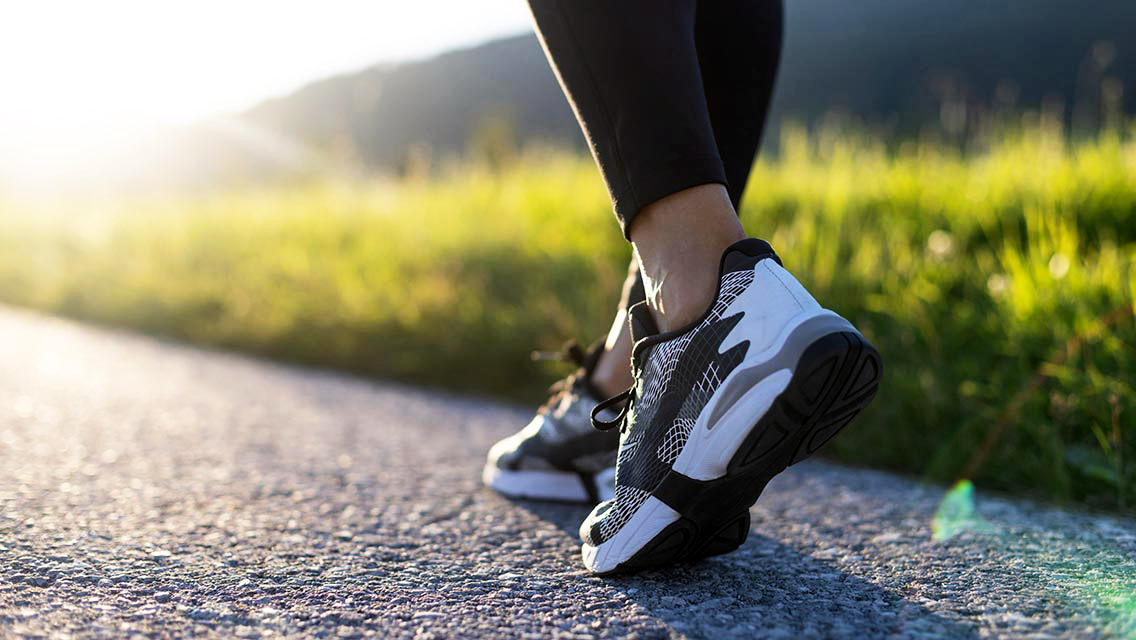
To make postmeal walks a sustainable habit, do what feels manageable for your schedule and lifestyle. You might not be able to squeeze in a walk after every meal, but even one postmeal walk a day is beneficial, says gastroenterologist Shanti Eswaran, MD, a clinical professor at the University of Michigan Medical School..
These four considerations can help you make the most of your effort.
1) TIMING
If you can take a short walk after each meal, that’s great. But if you can make time for only one postmeal walk a day, take it after your biggest meal, Eswaran advises. “Most people eat their largest meal in the evening,” she says. A postdinner walk can help relieve fullness and bloating as well as prevent digestion-related sleep disruptions.
Aim to head off as soon as possible after your meal, says Eswaran. “Let those dishes soak in the sink!”
2) DURATION
When considering a walk after eating, the old adages apply, says Eswaran: Something is better than nothing, and a little goes a long way. Research shows that 10 to 15 minutes of leisurely walking has positive benefits. Still, if five minutes is all you have, take that time.
3) INTENSITY
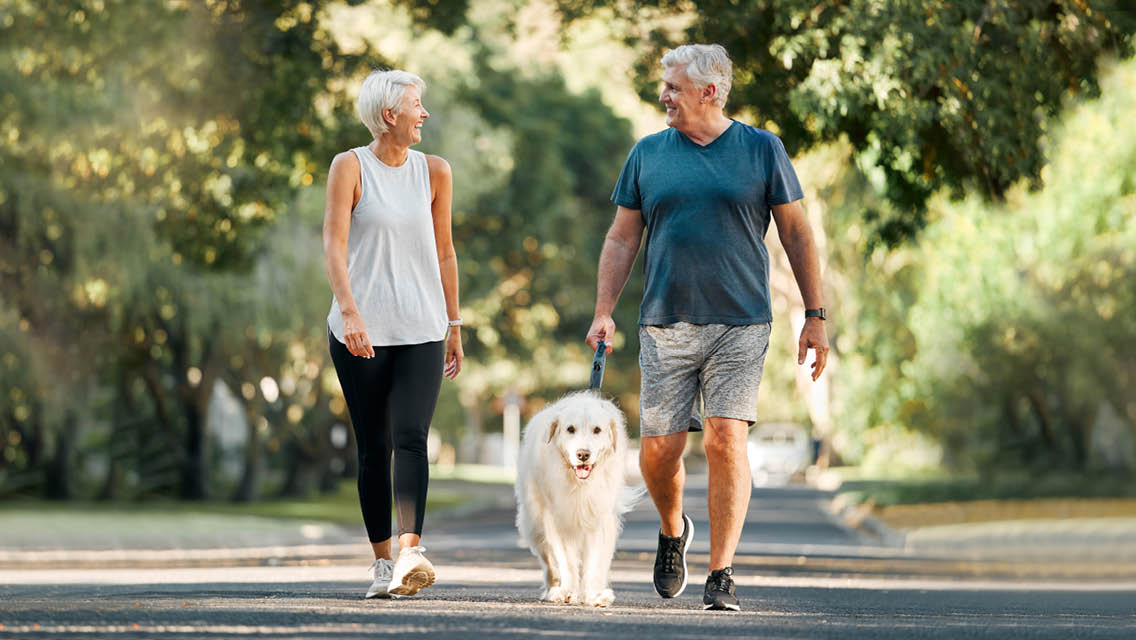
To reap the digestive benefits of a postmeal walk, don’t rush. Aim for a conversational pace and avoid the temptation to turn this outing into a workout. Strenuous exercise just after a meal can actually slow digestion and cause cramping, nausea, and vomiting.
“When people exercise in more strenuous ways, like running or high-intensity cycling, all the blood goes from their GI tract toward their muscles,” Eswaran explains.
In addition to slowing your pace, take deep belly breaths and avoid bracing your abdominal muscles. You want to be relaxed enough that you could easily pass gas, if needed.
4) VARIETY
Walking is the usual go-to for postmeal exercise because it’s accessible, engages all the major muscle groups, and keeps you — and your GI tract — upright. You can also experiment with other light activities, such as a slow bike ride or a mobility routine. (For a digestion-promoting yoga flow, visit “8 Yoga Poses to Help Digestion.”)
Postmeal Walks and Digestion
True or false: A short stroll after eating can help stimulate digestion. Learn more at “Do Post-Meal Walks Really Help Digestion?,” from which these tips were excerpted.


This Post Has 0 Comments