




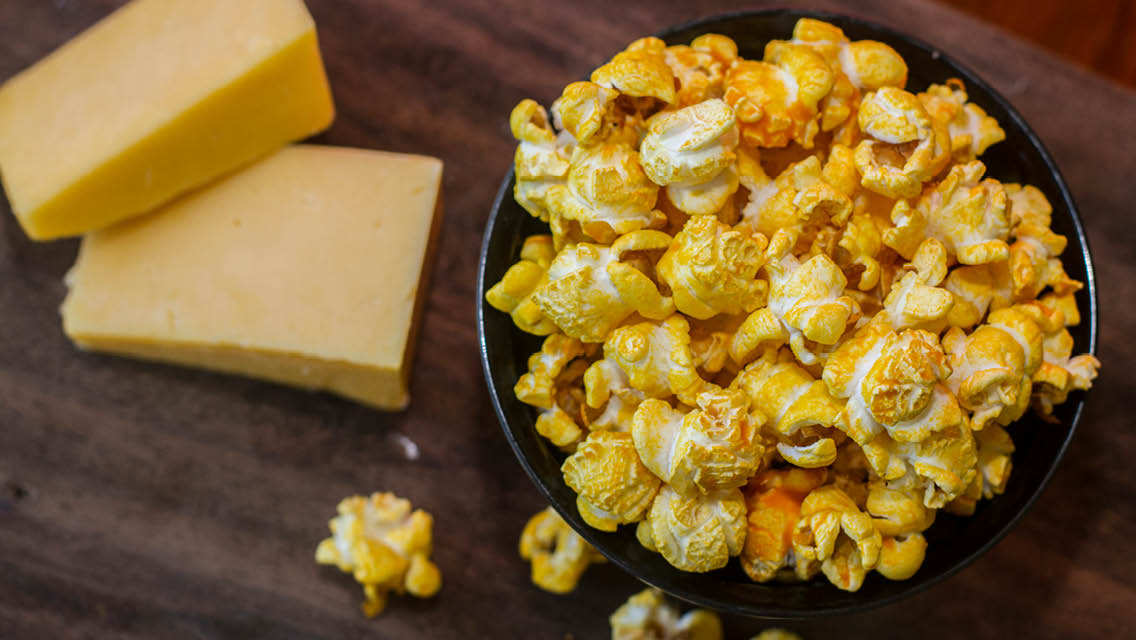
Hyperpalatable foods are distinct from ultraprocessed foods, but the overlap is significant. Roughly 80 percent of ultraprocessed foods (UPFs) are hyperpalatable, but not all hyperpalatable foods (HPFs) are ultraprocessed.
As the term suggests, UPFs contain industrially extracted nutrients and additives not typically used by home cooks, like sodium benzoate and carrageenan. (Learn more about UPFs at “The Truth About Ultraprocessed Foods.”)
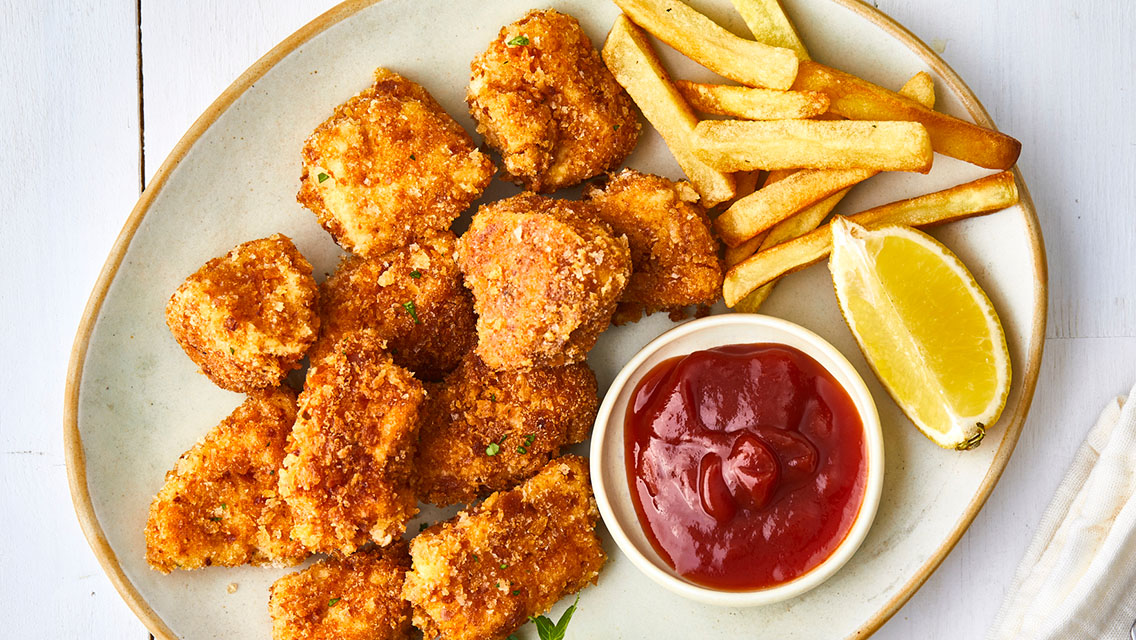
Hyperpalatable foods, meanwhile, are often common snacks or prepared meals made with added sugar, salt, and fat to turbocharge their flavor and texture. If you can’t stop eating it, most likely it’s a hyperpalatable food.
HPFs can be classified into three groups based on ingredient pairings: added fat and sugar (think cakes, cookies, and ice cream); carbohydrates and salt (such as in crackers, pretzels, and popcorn); and fat and salt (found in processed meats and cheese products).
Any of these nutrient combinations makes food more palatable, says Filippa Juul, PhD, MSc, a nutritional epidemiologist at SUNY Downstate in Brooklyn, N.Y. But specific ratios of these nutrient pairs can make it downright irresistible. “Over certain thresholds, the ingredients become more reinforcing, and it will be harder to stop eating them.”
Research has shown that when a food reaches a particular ratio of fat and salt, for example, people eat up to 30 percent more of it.
“When the aim of food processing is to hedonically amplify flavors we already find rewarding, food becomes too potent for many of us to consume in moderation,” explains Ashley Gearhardt, PhD, a psychology professor at the University of Michigan. “These formulations bliss us out in ways nothing in nature can compete with.”
That expectation of a reward may lead people to eat just for pleasure (hedonic eating) rather than to satisfy hunger or provide energy (homeostatic eating), says David Wiss, PhD, RDN, IFMCP, a mental health nutritionist in Los Angeles. “People start to eat for the neurochemical reward rather than metabolic need.”
The Lure of Hyperpalatable Foods
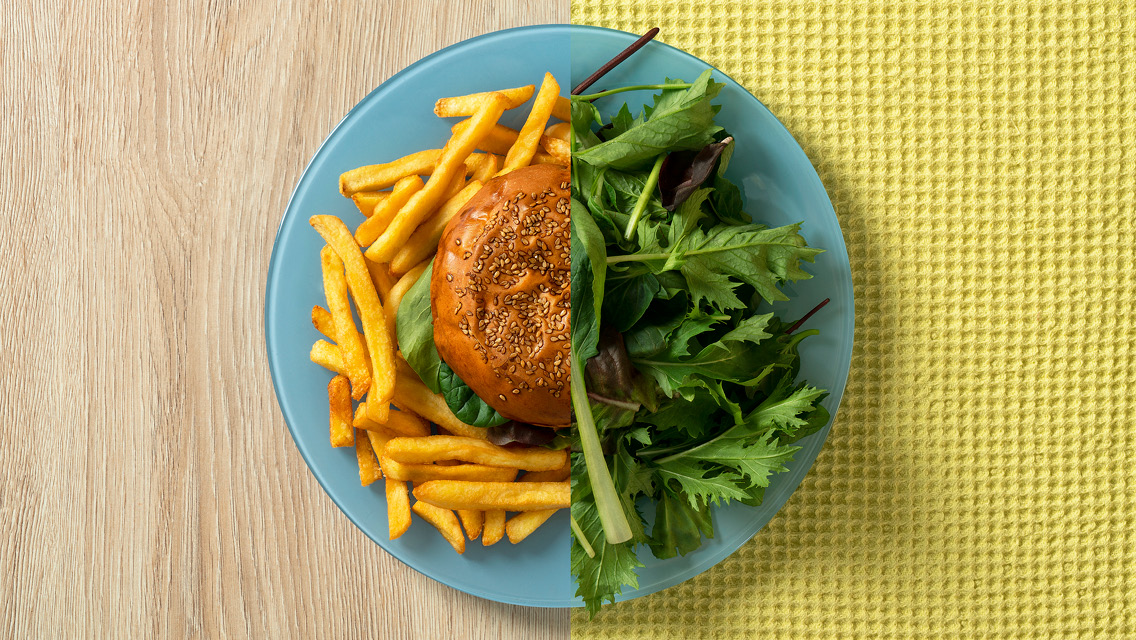
Grocery stores are full of food products engineered to leave us wanting more. Discover how they hook us — and how to favor more whole foods — at “How to Break Free From Hyperpalatable Foods,” from which these tips were excerpted.

This Post Has 0 Comments