




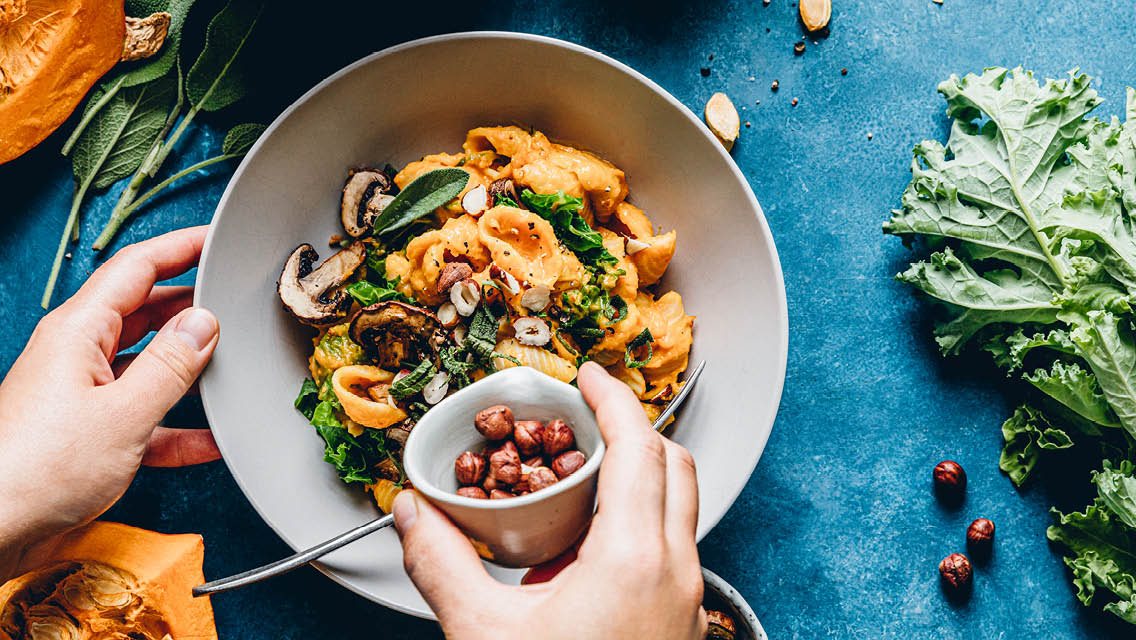
Dietary changes are usually more enjoyable when you’re adding rather than subtracting. So why ring in the New Year with diet overhauls that turn January into a pressure cooker of dietary discipline?
Experts say that white-knuckling your way to healthy eating by depriving yourself of the foods you love is a recipe for misery. That’s because restricting specific foods can make you crave them even more, says registered dietitian Nichola Ludlam-Raine, author of How Not to Eat Ultra-Processed. “We are not robots. Cutting out our favorite foods can lead to a restrict-and-binge cycle, which can then turn into shame and guilt. It’s a downward spiral.”
On the other hand, including more whole foods in your diet delivers more nutritional oomph while sidestepping deprivation. And those extra nutrients might just fill you up faster and keep you going longer — effortlessly lowering your desire for snacks and sweets.
Functional dietitian and sports nutritionist Barbara Lewin, RDN, CSSD, LDN, often sees her clients succeed using this approach. Instead of telling them what not to eat, she recommends one simple goal: Aim for at least 30 grams of fiber per day.
That one dictate changes everything, she says. Being focused on fiber redirects people’s attention toward the cornucopia of vegetables, fruits, and whole grains. “It’s not about what they can’t have but what they can have,” she says. “It’s a different way of thinking about food.”
The same redirect can be applied to protein and antioxidants. And, naturally, in the Venn diagram of nutrients, many of these add-on tips overlap. For instance, beans are a win-win-win, because they deliver copious amounts of all three: fiber, protein, and antioxidants.
Get curious about how many nutrient-rich whole foods you can add to your favorite meals and make the coming year one of pleasure and abundance instead of subtraction and sacrifice.
Fiber
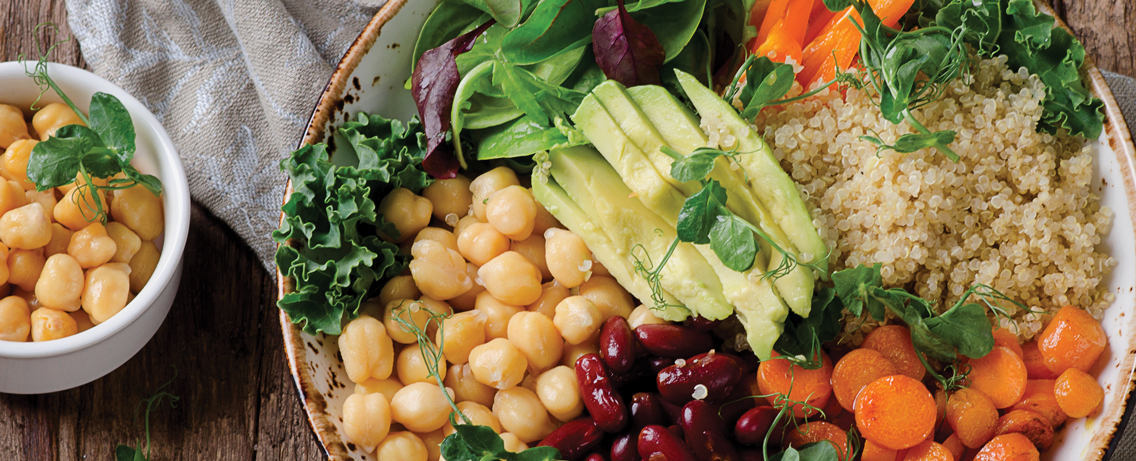
If you’ve got the will to focus on only one nutrient, make it fiber. Fiber feeds healthy gut bacteria, aids in the regulation of blood sugar and cholesterol, and helps keep you full longer. A fiber-rich diet also lowers your risk of heart disease, type 2 diabetes, and colon cancer.
“Fiber is one of my favorite things,” says Amber Hanson, LN, CNS, a functional nutritionist in Minneapolis. “No nutrient by itself is magical, but fiber is as close to magic for the body as you can get.”
Most people miss out on the magic. Some estimates suggest that upward of 90 percent of Americans fall short of the U.S. Department of Agriculture’s daily fiber recommendation of 28 to 34 grams, which varies by sex and age. With stats like those, says Hanson, any fiber is a welcome addition, so try some of the following tips.
Toss a handful of veggies into almost any stovetop dish as it cooks. For instance, throw spinach, cherry tomatoes, or red peppers into a skillet of scrambled or fried eggs; stir a cup of diced mushrooms into meat sauce; or add a half-cup of frozen corn, frozen green beans, or frozen bell peppers into a pot of chili as it simmers.
Replace salad croutons with crispy roasted beans. Lewin likes to rinse and dry a cup of canned chickpeas or edamame, then toss them with avocado oil and teriyaki sauce and roast them on a sheet pan at 400 degrees Fahrenheit for 30 minutes, giving the tray a gentle shake every 10 minutes or so.
“You want them to be crisp and crunchy,” she says, which is why the drying step is key. “They are delicious on salads, but you’ll probably want to eat them straight out of the oven.”
Stir puréed beans into soups and stews as a thickener and to “gently bump up the nutritional density of a meal,” says Hanson. Beans are a fiber powerhouse: Depending on the type of bean, you’re looking at 8 to 16 grams of fiber per cup.
Hanson likes to swap puréed white beans for the cream in tomato soup. “The soup still has a creamy texture, but the fiber from the beans leaves me feeling more satisfied.”
Keep the peel on vegetables and fruits: These outer layers contain a healthy portion of fiber. This is an especially good idea with organic fruits and veggies. “Just give them a good scrub before chopping, slicing, or dicing and adding them to your dish,” Hanson advises.
Toss whole grains into soup. “Instantly add fiber to a meal by stirring in a quick-cooking whole grain toward the end of a favorite soup recipe,” she says.
Quick-cooking versions of grains like farro, bulgur, and barley can be ready to eat in 10 to 20 minutes. Because each has its own flavor and texture, the key is to find one you enjoy. “Don’t try to convince yourself you love quinoa when you don’t,” she adds. “There is probably a whole grain you’ll like if you just keep sampling.”
Protein
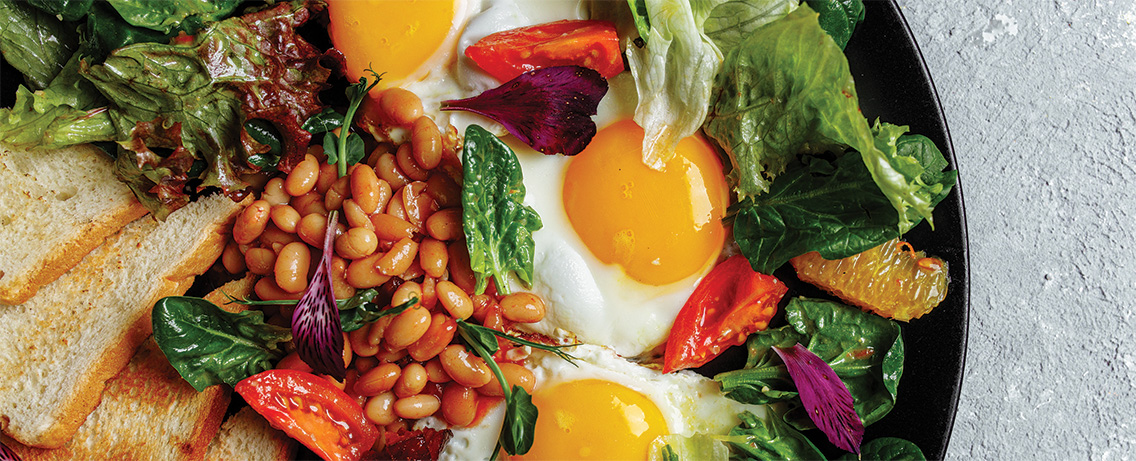
Protein plays a role in many of the most critical bodily processes. It’s used to make our muscles, bones, skin, and hair. Proteins create protective antibodies and can even act as hormones.
Getting enough of the nutrient is especially important as the body ages, says Ludlam-Raine. “Without enough protein, you have less energy, your muscles fatigue more quickly, and your body heals more slowly from injury and illness.”
While protein needs vary depending on age, activity level, and health goals, most active people can benefit from 20 to 30 grams of protein at each meal. Take your protein content up a notch with these ideas.
Fall in love with eggs. Adding an egg to a meal is one of the easiest ways to ratchet up protein. A single large egg delivers about 6 grams. A hardboiled or jammy egg can lift the protein score of ramen noodles, Caesar salad, avocado toast, and more. (Try one of these recipes featuring eggs for a tasty meal — any time of day.)
If you like stir-fried rice, try adding an extra egg to the recipe. Or consider putting a veggie-packed omelet, quiche, or shakshuka into your weekly dinner rotation to get more protein, fiber, and antioxidants in one dish.
Toss beans or lentils into pasta sauce. Canned beans and lentils are inexpensive, shelf-stable, and packed with protein. A single cup of lentils delivers approximately 18 grams of protein.
Try adding chickpeas or white beans (such as great northern or cannellini) to white sauce–, cheese-, or oil-based dishes, like Alfredo or pesto. Heartier tomato sauces, like a Bolognese, can easily embrace black beans, kidney beans, or lentils, says Ludlam-Raine. If the texture is a turnoff, she says, purée the beans first.
Sub quinoa or soba noodles for rice in almost any grain-forward dish or bowl. One cup of quinoa boasts 8 grams of protein. A cup of soba noodles, which are made from buckwheat flour, offers 6 grams. Both are complete proteins, meaning they deliver all nine essential amino acids the body needs.
Ahead of a busy week, Lewin cooks a pot of quinoa so she has a ready-made foundation for grain bowls and salads for maximum ease.
Add some spinach to your soups and scrambles. Spinach is an excellent source of high-quality protein, says Peter Horvath, PhD, associate professor emeritus of exercise and nutrition sciences at the University at Buffalo.
A cup of cooked spinach has more than 5 grams of protein — but don’t be fooled by the smallish number. Spinach also contains all nine essential amino acids, plus antioxidants and fiber, making it another triple-win food. It might surprise most people, he says, but for high-quality protein, “spinach can’t be beat.” (Check out “Cooking With Spinach: Recipes, Techniques, and More.”)
Sprinkle seeds liberally. Whether you’re eating a salad, oatmeal, yogurt, or grain bowl, a handful of seeds adds flavor, crunch, and protein. One caveat: Many seeds have a protective outer layer, the seed coat, that must be crushed to access the nutrients inside. Bigger seeds, such as pumpkin and sunflower, are easily chewed. But smaller seeds, like flax or sesame, often pass through the body without ever giving up their goods.
As a workaround, Horvath puts chia and hemp seeds with flaxseeds in a blender and pulverizes them. Then he sprinkles the seed mix on his favorite foods, especially yogurt and salads. To keep the mixture fresh, he stores it in the refrigerator.
Get to know “nooch.” Nutritional yeast is an inactive version of the same kind of yeast used to bake bread and brew beer. Two tablespoons of the cheesy yellow flakes pack about 5 grams of protein. Nutritional yeast has an umami flavor that plays well with most everything, including popcorn, pasta, and green salads. Lewin keeps a jar in the fridge and uses it liberally on veggies like broccoli and cauliflower.
Try sprinkling nooch on top of cooked veggies, or make a quick sauce by blending it with some pan drippings while cooking. It can even replace the cheese in pesto for a great-tasting sauce.
Food for the Way You Live Now.
Don’t Miss a Story.

Antioxidants
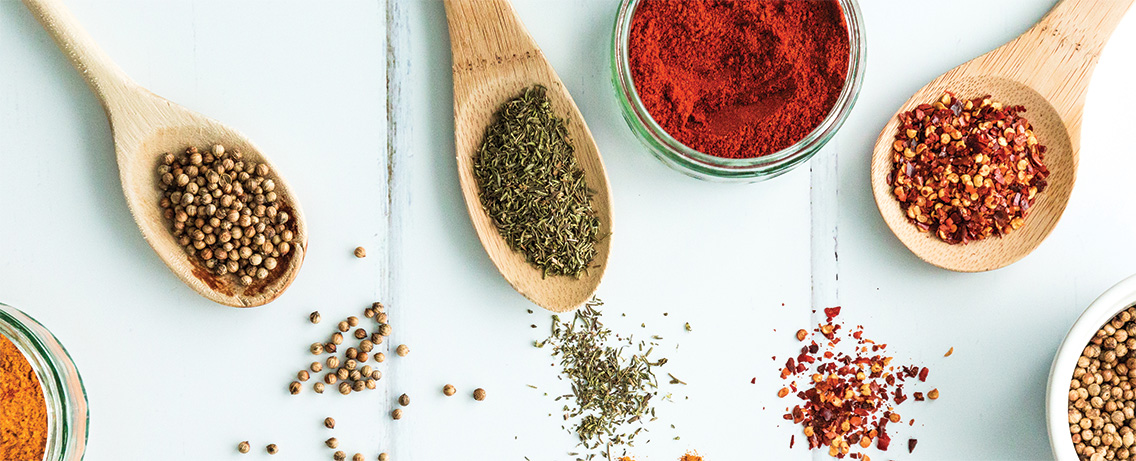
Antioxidants protect cells from oxidative stress, which can occur when the body accumulates too many free radicals — as a natural byproduct of metabolism as well as a response to external factors, such as sunlight and pollution. Years of oxidative stress can contribute to issues often linked to aging, such as heart disease, stroke, and even wrinkles.
“Eating a variety of antioxidants is one of the best ways to reduce inflammation, support long-term health, and keep your body functioning at its best,” says Lewin. “Think of them as your body’s natural defense system.”
One simple trick for dialing up your antioxidant intake, according to Hanson, is to seek out colorful foods — color is a strong indicator of antioxidants. “When you look at your grocery cart, how many colors do you see?” she asks. “If you don’t see that many, what can you add to your next grocery list to bring more variety into your home?”
These tips can help you prioritize antioxidants.
Try your favorite vegetables in different colors to get a variety of benefits. For instance, yellow and purple carrots have a different antioxidant profile than their orange brethren. Yellow carrots get their sunny hue from xanthophylls — plant compounds linked to healthy eyesight — and purple carrots contain anthocyanins, the same potent antioxidants contained in blueberries and blackberries.
That advice extends to other veggies as well.
“Little tweaks can make a big difference,” says Hanson. She encourages people to buy the variety pack of yellow, orange, and red cherry tomatoes; try pink, purple, and white radishes; cook with red, blue, and purple baby potatoes; and experiment with orange, purple, and green cauliflower.
Enjoy berries year-round. Berries are some of the most antioxidant-rich foods on the planet, and winter is the perfect time to explore the many uses for frozen berries; they contain about as many phytochemicals and antioxidants as fresh ones.
Lewin likes to pour a cup of frozen berries into a large container of Greek or plant-based plain yogurt. The berries defrost in the yogurt, making breakfast even easier. If she’s feeling more creative, she’ll make parfaits in small canning jars by layering yogurt, frozen berries, walnuts, flaxseed meal, and warming spices, like cinnamon. The thawing berries help keep the parfait cold until she’s ready to dig in.
(Berries offer a wide array of health-supporting benefits. Take a closer look at “What Are the Health Benefits of Berries?“)
Lean into seasoning. Busy home cooks can be tempted to skimp on (or even skip) a recipe’s herbs and spices. But this is a missed opportunity, Hanson says. “Not only will herbs and spices give you a wide array of antioxidants, but they also offer so much more flavor variety, which leads to more satisfaction and pleasure.”
If chicken is a part of the weekly dinner rotation, use herbs and spices to stave off boredom. Perhaps one week you could make a chicken dish inspired by Vietnamese flavors, like lemongrass, mint, and ginger. The next week you could try a Mediterranean-style chicken spiced with oregano, thyme, and sumac.
“Novel spices are interesting to your palate, which is one of the reasons why a new flavor of potato chip is so appealing,” Hanson says. “Adding more interesting seasonings to foods you make at home can give your taste buds that excitement without looking to a big food manufacturer to do it for you.” (Try these eight herbs and spices to broaden your culinary horizons.)
Make your own spice blend. Lewin makes a batch using mostly Ceylon cinnamon along with ginger, cloves, and nutmeg to taste. She chooses these spices for their potent antioxidants, including quercetin, eugenol, gingerol, and cinnamaldehyde. Every morning, she stirs a teaspoon of the spice blend into her yogurt and berries. This blend adds flavor without extra sugar and gives a concentrated boost of antioxidants. It can also be sprinkled on oatmeal or blended into a smoothie. “Keeping this spice blend on my countertop means I don’t have to hunt and peck for various spices,” she says. “If you make it easy to eat well, you’re more likely to stick with it.” (See “DIY Seasoning Blends” for four popular recipes you can make yourself.)
Sneak saffron into your coffee. Always on the lookout for ways to get more antioxidants, Lewin adds a few threads of the golden spice to her coffee beans before grinding them. Saffron is a rich source of antioxidants, including crocin and crocetin.
“I can’t taste the saffron,” she says, “but it gives me an extra dose of antioxidants every morning. It’s a subtle way to elevate your morning coffee with a nutrient boost.”
Yes, she acknowledges, saffron is expensive. But she finds that a small bottle lasts her several months. “If I spend a bit more on groceries,” she says, “I see it as an investment in my health.”
This article originally appeared as “Power Up Your Plate” in the January/February 2026 issue of Experience Life.



This Post Has One Comment
Great suggestions!!