


Skip to content

Get Experience Life delivered to your door

Experience Life
Delivered every two months

Real Health. No Hype.

More than 600,000 subscribers trust us to keep them informed, inspired, and authentically healthy. Join them.

How to Cope With Overindulgence When Traveling

Many of us overdo it on food and alcohol when we travel. Discover several strategies to help ease the symptoms of overindulgence.

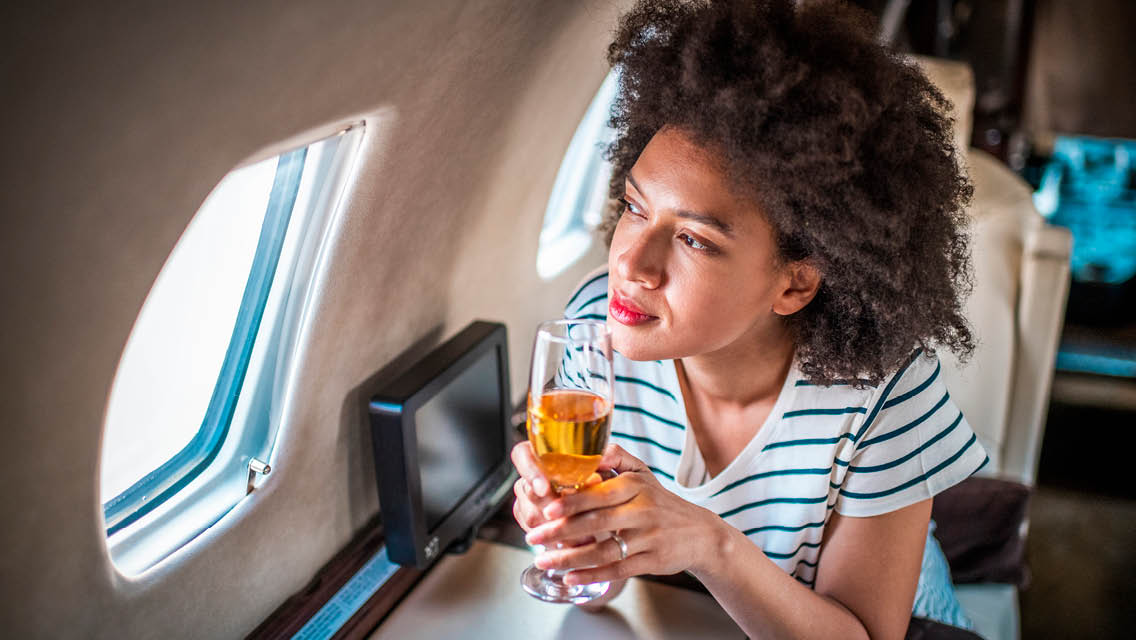
a woman drinks a glass of wine while on a plane

Travel almost demands that we abandon some of our usual healthy disciplines. We might overdo it with coffee or alcohol, eat foods that disagree with us, or skimp on sleep — and that’s OK! “Let yourself overindulge once in a while,” says integrative psy­chiatrist Henry ­Emmons, MD, author of The Chemis­try of Joy. “Vacations are good for that!”

There’s also no need to suffer unduly from enjoying yourself. It’s relatively easy to offset the price of celebratory consumption — stomach upset, headache, bloat, fatigue, and hangovers — with a few tweaks.

“Try not to overindulge in food or alcohol too close to bedtime,” advises Emmons. Staying hydrated can also forestall a lot of problems, including hangovers and indigestion. “Drink a big glass of water about an hour before a big meal,” he suggests.

Augmenting your natural digestive enzymes with sup­plements can help prevent bloat, gas, and an irritated stomach. For best results, says nutritionist Samantha ­McKinney, RD, CPT, a Life Time master trainer, “take digestive enzymes with meals instead of after.”

Eating out three meals a day can be tough on the system, notes Sara Jean Barrett, ND. If you have known food sensitivities, she recommends using enzymes at least once a day while traveling. An enzyme called Aspergillus niger-derived prolyl endoprotease can help break down gluten.

Those sensitive to dairy might benefit from taking lactase. Others can opt for a broad-spectrum enzyme to help with their sensitivities.

There are other easy techniques. “Having gum to chew after meals can help with slow or sluggish digestion, and it’s easy to carry in your bag,” says Barrett. Gum chewing keeps saliva production going; this stimulates digestion by making the body think more food is coming, she explains.

Ginger chews and ginger or peppermint tea are other handy digestive aids. And simply going for a nice after-dinner walk can pay dividends, McKinney notes. “Light movement helps the digestive tract.”

If you wake up regretting your food or beverage choices from the night before, take heart. Bitter foods, such as arugula and Brussels sprouts, and tart, stimulating seasonings like apple cider vinegar and lemon juice can help enhance digestion and support natural digestive enzymes.

“Throw some arugula in your eggs, or take bitters as a tonic,” advises McKinney. Or add a lemon slice to a big glass of water; lemon juice helps stimulate liver function.

Homeopathic remedies that can help include nux vomica, which is good for nausea, and lycopodium, which can mitigate distention and gas pain.

And while indulgence is a healthy and welcome part of a vacation, try to take a balanced approach, says McKinney. “When you’re traveling for pleasure, it’s supposed to be enjoyable. Really have that full experience in your head of how you’re going to feel in the morning.”

This was excerpted from “6 Common Travel Illnesses and How to Treat Them” which was published in the November 2022 issue of Experience Life.


Mo Perry is an Experience Life contributing editor.

Share

Discover more from Life Time

Travel almost demands that we abandon some of our usual healthy disciplines. We might overdo it with coffee or alcohol, eat foods that disagree with us, or skimp on sleep — and that’s OK! “Let yourself overindulge once in a while,” says integrative psy­chiatrist Henry ­Emmons, MD, author of The Chemis­try of Joy. “Vacations are good for that!”

There’s also no need to suffer unduly from enjoying yourself. It’s relatively easy to offset the price of celebratory consumption — stomach upset, headache, bloat, fatigue, and hangovers — with a few tweaks.

“Try not to overindulge in food or alcohol too close to bedtime,” advises Emmons. Staying hydrated can also forestall a lot of problems, including hangovers and indigestion. “Drink a big glass of water about an hour before a big meal,” he suggests.

Augmenting your natural digestive enzymes with sup­plements can help prevent bloat, gas, and an irritated stomach. For best results, says nutritionist Samantha ­McKinney, RD, CPT, a Life Time master trainer, “take digestive enzymes with meals instead of after.”

Eating out three meals a day can be tough on the system, notes Sara Jean Barrett, ND. If you have known food sensitivities, she recommends using enzymes at least once a day while traveling. An enzyme called Aspergillus niger-derived prolyl endoprotease can help break down gluten.

Those sensitive to dairy might benefit from taking lactase. Others can opt for a broad-spectrum enzyme to help with their sensitivities.

There are other easy techniques. “Having gum to chew after meals can help with slow or sluggish digestion, and it’s easy to carry in your bag,” says Barrett. Gum chewing keeps saliva production going; this stimulates digestion by making the body think more food is coming, she explains.

Ginger chews and ginger or peppermint tea are other handy digestive aids. And simply going for a nice after-dinner walk can pay dividends, McKinney notes. “Light movement helps the digestive tract.”

If you wake up regretting your food or beverage choices from the night before, take heart. Bitter foods, such as arugula and Brussels sprouts, and tart, stimulating seasonings like apple cider vinegar and lemon juice can help enhance digestion and support natural digestive enzymes.

“Throw some arugula in your eggs, or take bitters as a tonic,” advises McKinney. Or add a lemon slice to a big glass of water; lemon juice helps stimulate liver function.

Homeopathic remedies that can help include nux vomica, which is good for nausea, and lycopodium, which can mitigate distention and gas pain.

And while indulgence is a healthy and welcome part of a vacation, try to take a balanced approach, says McKinney. “When you’re traveling for pleasure, it’s supposed to be enjoyable. Really have that full experience in your head of how you’re going to feel in the morning.”

This was excerpted from “6 Common Travel Illnesses and How to Treat Them” which was published in the November 2022 issue of Experience Life.
More like this

How to Prevent Travel-Related Constipation

Hydration and getting enough fiber are two key prevention strategies. But there are a few more strategies you can explore.
By Mo Perry

15 Tips to Prevent or Reduce Heartburn

Elevate your head, eat smaller meals, and 13 other ways to ease heartburn.
By Catherine Guthrie

Share a thought

0 Comments

Comments (0)

Leave a Reply

Your email address will not be published. Required fields are marked *

Keep the conversation going

Leave a comment, ask a question, or see what others are talking about in the Life Time Health Facebook group.

Facebook Group

Advertisement

Back To Top