




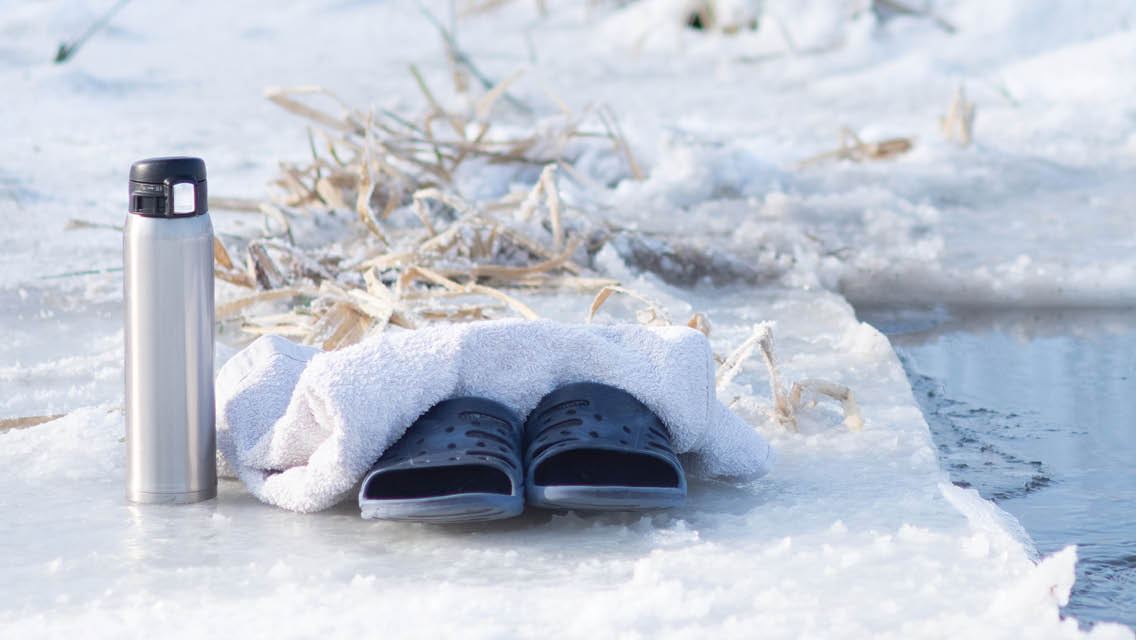
Cold conditioning has become increasingly common among pro athletes and everyday exercisers who are seeking relief from muscle soreness and injury pain. This intentional exposure to cold — icing, ice baths, cold-water massage, and cryotherapy — is believed to constrict blood vessels, decrease metabolic activity, and counteract the side effects of delayed onset muscle soreness (DOMS).
While it is popular, the jury is out on precisely how — and how well — cold conditioning works.
“Anecdotally, athletes who use cold-therapy methods feel they recover better, but we haven’t yet found a mechanism to explain why or to show that’s true,” says David Pascoe, PhD, professor of exercise science and assistant director of the Auburn University School of Kinesiology.
There have been some promising studies: Research has shown that icing can aid treatment of acute injuries like sprains. Cryotherapy — cooling the skin by 30 to 50 degrees F by standing for several minutes in a chamber chilled with liquid nitrogen — has been shown to ameliorate certain types of chronic pain, like arthritis.
Additionally, there’s interest in cold conditioning’s benefits beyond recovery: Researchers at Virginia Commonwealth University School of Medicine have studied the anti-depressive effects of cold showers, while scientists at Harvard Medical School have explored cold’s potential as a fat-burning agent.
Cold-water therapies vary widely, however, depending on the duration of exposure as well as the temperature (a 60-degree-F shower may feel uncomfortably cold, but it won’t have the same effects as an ice-water bath). Eating habits, fat mass, age, and gender also have an effect.
The limited science and many variables don’t mean cold conditioning is necessarily bunk. Rather, it points to the need for personal experimentation, listening to your body’s signals, and in some cases — such as cryotherapy chambers — working with a professional.
How to Start Cold Conditioning
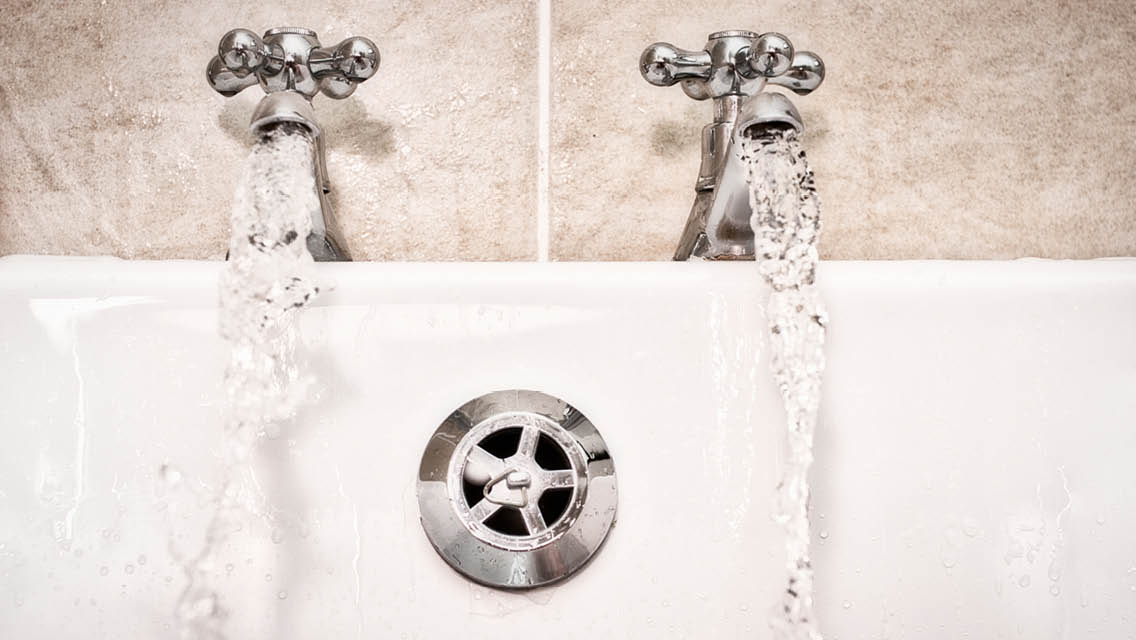
Cold showers are one way to start experimenting with cold conditioning, says Kenton Whitman, a naturalist and founder of ReWild University in Menomonie, Wis., who advocates for the physical and mental benefits of the practice: “Begin with the water warm and shift it to cold, increasing the duration of cold exposure over time from one to two minutes per day.”
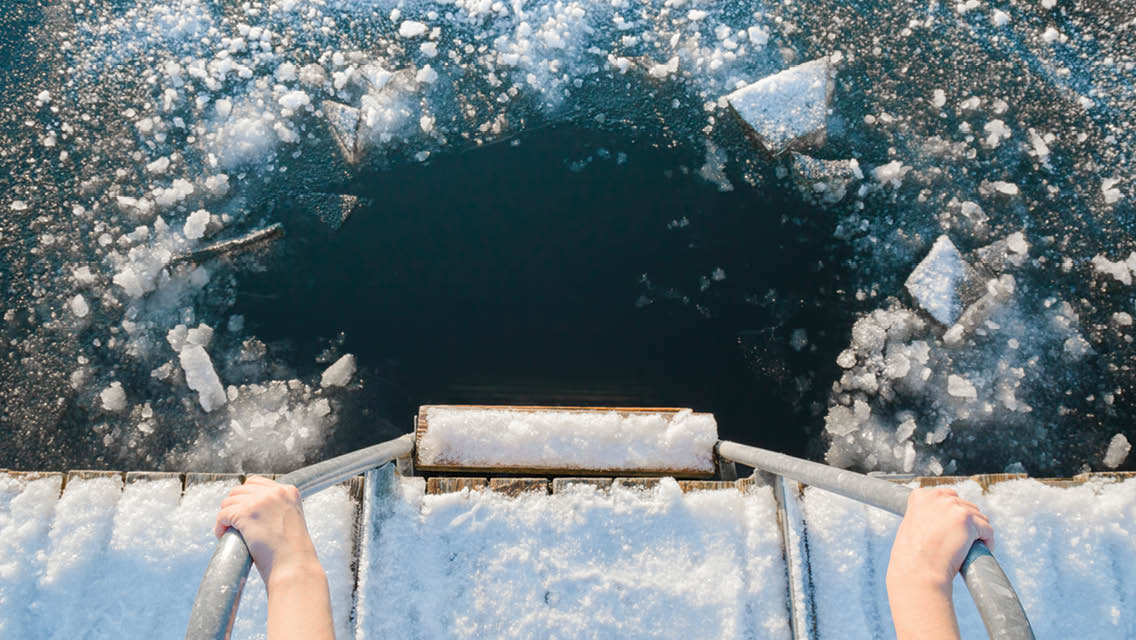
Ice baths are another option, particularly for athletes who want to ease tired, taut leg muscles. Add ice cubes to reduce the temperature as you get used to the cold water.
Consult with your health provider before beginning. Avoid cold therapies if you are pregnant or have a heart condition, high blood pressure, nerve problems, or Raynaud’s disease, a condition that causes numbness in response to cold temperatures or stress.






Comments (0)