



Hitting your protein targets has been a hot topic over the past few years. Yet there’s an important element that’s often missing from the conversation: Not all protein sources are created equal. While a food may contain protein, the quality and amino-acid composition of that protein are key to how it will be used in the body.
Here, I’m explaining the difference between two categories of protein — complete and incomplete — including how their amino-acid profiles change their benefits and why it’s meaningful to incorporate a variety of protein sources into your diet.
Understanding Amino Acids
First, it’s important to know what makes up the protein you consume. Amino acids are the building blocks of protein, and it’s essential to get enough of each amino acid in your daily protein consumption. You may be eating enough grams of protein, in theory, but if the amino-acid composition is incomplete, it could still result in an overall deficiency.
Consuming enough of each essential amino acid supports muscle maintenance, preservation of immune function, modulation of appetite, repair of muscle tissue, synthesis of enzymes, regulation of gene expression, and transportation of nutrients for better cellular function. Sufficient amino acid consumption goes far beyond building muscle — it provides an anchor to whole body health. (Learn more: “How Does Protein Support My Health and Fitness Goals?”)
What is a complete protein?
By definition, a complete protein contains all the essential, or indispensable, amino acids that your body cannot make on its own and therefore must get from food. There are nine essential amino acids: histidine, isoleucine, leucine, lysine, methionine, phenylalanine, threonine, tryptophan, and valine. Among these, there are three branched-chain amino acids — leucine, isoleucine, and valine — which work together to specifically target muscle function, growth, and recovery.
Nutrition labels only identify the quantity of the total protein in foods, not their amino-acid profiles; this can make it tough to know if foods are a source of complete protein.
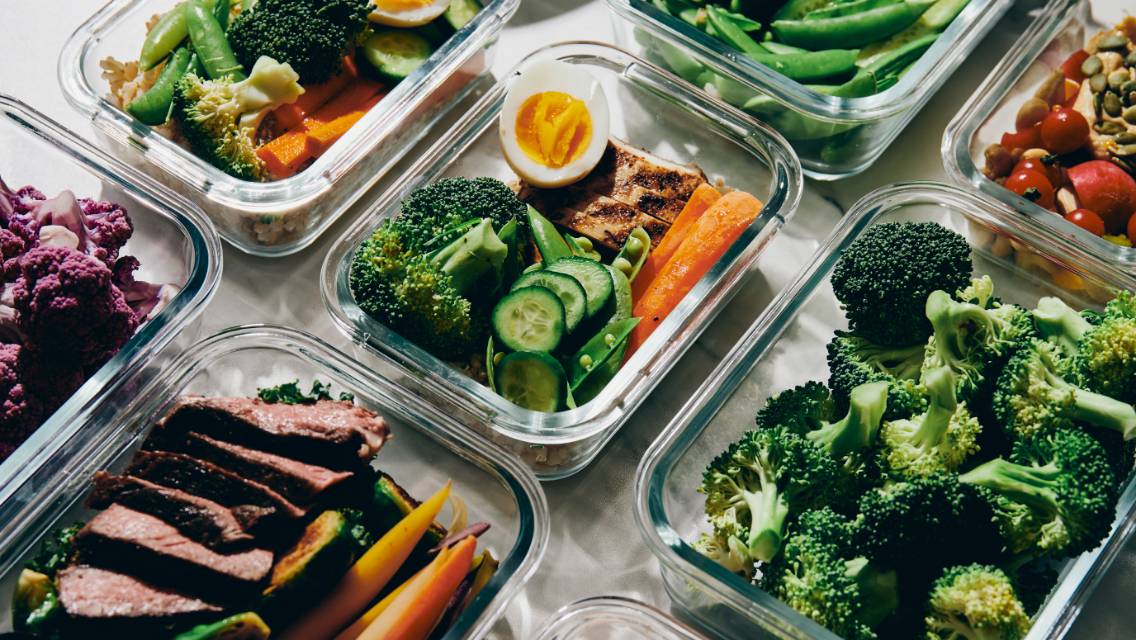
Complete protein sources include meat, poultry, eggs, milk, and select vegan sources like soy, quinoa, buckwheat, hemp seeds, chia seeds, and spirulina. (Note that soy is on the list of the most common food allergies or sensitivities; ultraprocessed forms, such as soy protein, can be related to metabolic disruption, which is why prioritizing unprocessed forms like edamame can optimize whole body health.)
Instead of focusing on a target number of grams of complete proteins, I recommend aiming for sufficient quantities of each essential amino acid across the day. Because essential amino acids are most concentrated in complete proteins, prioritizing these foods at each meal supports muscle maintenance and whole-body health.
This might look like consuming at least four ounces of chicken; three large eggs; two cups of edamame; or a serving of LTH Build Whey+ All-In-One, LTH Whey Protein, LTH Flex Whey Protein Isolate, or LTH Fuel Vegan+ All-In-One protein powders.
What is an incomplete protein?
An incomplete protein is a source that contains only some of the nine essential amino acids. This includes most plant foods — think rice, wheat, oats, corn, lentils, chickpeas, beans, nuts, seeds, potatoes, broccoli, spinach, and kale.
With incomplete protein sources, the best way to make sure you’re consuming all the amino acids you need is by leveraging complementary proteins. This means pairing incomplete protein sources that, together, fill each other’s amino acid gaps.
A good example of this is pairing legumes with nuts, grains, or seeds. This combination helps to close the essential amino acid gaps present in these foods when isolated. While nuts, grains, and seeds are good sources of methionine, they tend to be low in lysine. Legumes provide high quantities of lysine, but are low in methionine. They each vary in their contributions for the remaining essential amino acids, including histidine, isoleucine, leucine, phenylalanine, threonine, tryptophan, and valine. Incorporating these foods together can help contribute sufficient amounts of all essential amino acids into mealtimes. In practice, this might look like combining red beans with rice or spreading hummus on a pita.
This is especially important for those following a vegan diet or who lean toward nonmeat sources of protein. Because many vegan protein sources are low in or missing at least one essential amino acid, consuming a variety of protein sources is essential to optimize amino acid consumption.
Beyond that, the protein density per serving in many vegan options, even if it’s a complete protein, may be low compared to the carbohydrate density per serving. For example, one cup of quinoa provides about 40 grams of carbs and 8 grams of complete protein. So even though quinoa is a complete protein source, the amount of protein per serving is small, making it challenging to reach your protein goals without exceeding your carb or calorie needs.
Incorporating a high-quality protein supplement into your daily routine can help to boost protein and amino-acid intake while moderating the consumption of carbs and fat. For example, the LTH Vegan+ All-in-One protein powder contains 30 grams of vegan protein — derived from peas, chlorella, and chia — per serving. This combination provides all nine amino acids; it also contains only 8 grams of carbs and 7 grams of fat per serving.
Planning ahead and strategizing combinations that provide complementary proteins without overshooting other macronutrients can help ensure you are consuming the amino acids your body needs to prevent a deficiency and support optimal health.
For an additional boost of leucine — the amino acid that’s crucial for muscle synthesis — you might add LTH Rally Amino Recovery to your routine. The flavors (watermelon, wild berry, and glacier) are vegan and provide 3 grams of leucine per serving.
Is collagen a complete protein source?
Technically, no: Collagen is not a complete protein source because it’s missing tryptophan — but that doesn’t mean you should overlook it. Collagen contains several amino acids that are widely underconsumed, even in a protein-rich diet, including glycine, proline, and hydroxyproline.
Consuming collagen peptides as a regular part of your diet can further support the integrity of your joints, ligaments, and bones. Specifically, research shows its ability to improve mobility and reduce joint pain while enhancing skin elasticity and helping to optimize bone and cardiac health. (Learn more: “Collagen Peptides: Health Benefits for Your Knees, Cheeks, Lips, and Hips.”)
Because most people don’t regularly consume foods containing connective tissues rich in collagen (think bone-in meats, skin-on chicken, and sausage) or in high enough amounts, a collagen peptides supplement like LTH Prime Collagen Peptides is an easy way to incorporate the collagen peptides that may be missing in your diet. Collagen production starts to naturally decline after the age of 25. In an omnivore diet that’s already rich in tryptophan, research shows that collagen peptide consumption of around 20 to 40 grams per day as part of a high-protein diet can provide optimal health benefits.
Building a Balanced Protein Strategy
It’s important to consume protein from a wide variety of sources to maximize amino-acid absorption and nutrient intake. Not only does a diet rich in high-quality protein support metabolic health, muscle maintenance, and satiety, but incorporating collagen peptides can also fill in the gaps to promote soft tissue support and longevity.
Overall protein recommendations include consuming one gram of protein per pound of lean body mass, or per pound of ideal body weight for those on a weight-loss journey. To achieve this, incorporating 30 grams of high-quality protein per meal (and at least 15 grams for snacks), depending on needs, can support consistency and nutrient intake.
For nonmeat eaters, incorporating high-quality, intentionally sourced vegan protein powders can support protein goals while managing fat and carbohydrates that can add up quickly via most complementary protein sources.
While not all meals need to provide complete proteins, ensuring the consumption of sufficient amino acids across each day can help your body thrive.