





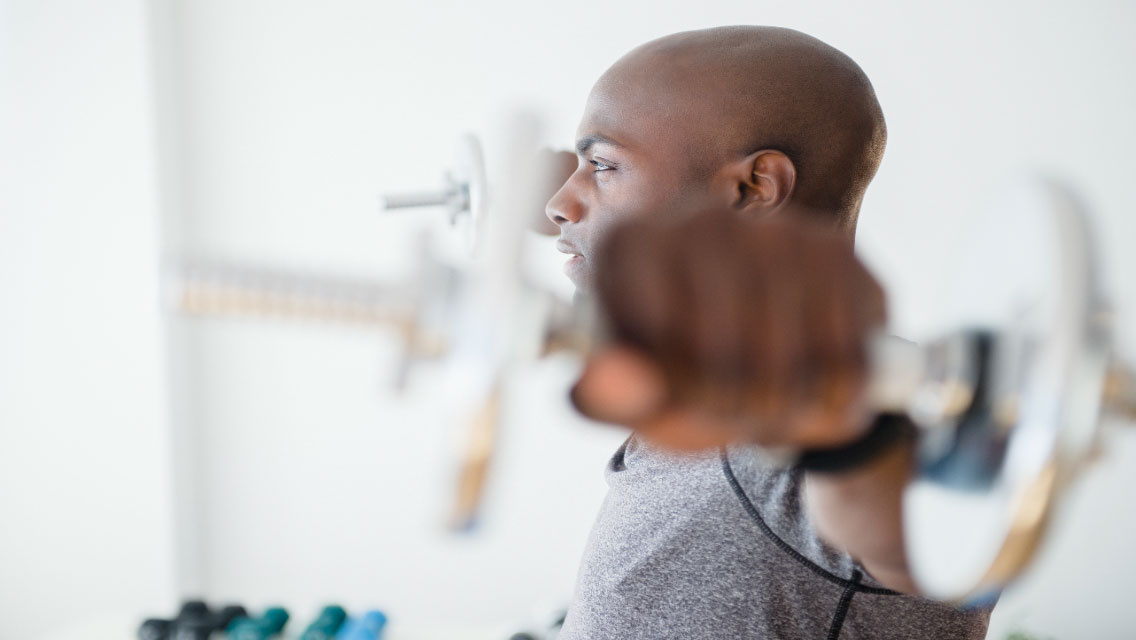
Omri B. Ayalon, MD, an acclaimed orthopedic and hand surgeon at NYU Langone’s Sports Health Program, works with athletes who demand more than short-term performance—they demand longevity. In his view, what separates people who stay active and powerful for years is not just talent or effort, but how intentionally they care for their bodies before, during, and after training.
Here’s how his guidance translates to a high-performance, high-expectation gym environment that our members live by.
Make Recovery a Non-Negotiable Part of Your Routine
Recovery is not reserved for when something goes wrong—it’s a skill you build from the start.
“Building habits of recovery is a learned skill,” says Dr. Ayalon. Easy, low-intensity movement is one of the most underused tools. In a gym setting, this could mean 15–20 minutes on a recumbent bike or relaxed laps in the pool on recovery days, kept at a pace where you can comfortably hold a conversation.
“Low-intensity movement flushes out the body and promotes blood flow, which is especially important for tendons,” he explains. “You’re managing inflammation and swelling.”
Never Play Through Pain
Dr. Ayalon stresses that this “play-through-pain” mentality can be damaging for your health. “When pain persists,” he advises, “reducing activity temporarily and redirecting your training is actually going to pay off long term.”
Redirecting your training is a strategic pivot, not a full stop. For instance, if your knees are irritated from running, you might temporarily shift to low-impact cardio like an elliptical or stationary bike while focusing on upper-body and core strength. If a shoulder is bothering you, you can cut back on heavy overhead work and focus on lower-body training and controlled, pain-free range-of-motion exercises.
Train for Real-World, Multi-Directional Movement
Many traditional strength routines emphasize linear movements, but sports and daily life demand more.
“Sports are unpredictable,” says Dr. Ayalon. “You could be moving in any direction.”
To reflect that, he emphasizes incorporating rotational exercises, core work, and mobility-focused movements such as yoga and Pilates. “It’s not just sitting on a bench and pumping iron,” he says. “It’s about movement and stability from the core out.”
This philosophy also applies to specific joints that absorb heavy loads. “We now have entire programs focused on just the ankle or Achilles,” notes Dr. Ayalon. For members who put a lot of mileage on their feet—from running to court sports—this can look like dedicated sessions for calf strength, ankle stability, and balance work built directly into your weekly programming.
Build Mental Resilience into Your Performance Plan
Burnout isn’t only physical. Mental fatigue is a real injury risk factor.
Dr. Ayalon considers the mental aspect of recovery to be an essential part of sports medicine. Using amenities like a cold plunge, steam room, or sauna deliberately—not as an afterthought, but as a scheduled part of your recovery plan can produce significant psychological benefits along with physical ones. Structuring true rest days into your routine is as crucial as any workout.
Use Wearables Technology Thoughtfully
From wearables to motion tracking, today’s athletes have access to a wide range of tools. Dr. Ayalon recommends a measured approach.
While tracking cardiovascular fitness with technology is well established, using wearables specifically to prevent injury is still developing. “It has potential,” he says, “but for now, there is no substitute for simply knowing your body.” Data should be used as one input—not the only voice.
Train for Longevity, Not Just Today’s Performance
One of the biggest shifts in modern sports medicine, Dr. Ayalon notes, is the focus on the long game: staying active and strong for decades. This means structuring your programming around what you want to do comfortably 10 or 20 years from now, rather than only chasing short-term records.
This might mean prioritizing joint-friendly exercises, building consistent strength around key joints, and scheduling periodic recovery blocks throughout the year. The goal is not just to return people to the field, but to keep them moving—and moving well—for as long as possible.
Putting It into Practice
Whether you’re chasing peak performance or simply staying active, the fundamentals are the same: train with purpose, build in recovery, and pay attention to what your body is telling you. And when something doesn’t feel right or won’t go away, NYU Langone’s Sports Health team is here to help you recover faster and perform better.
MEET THE EXPERT
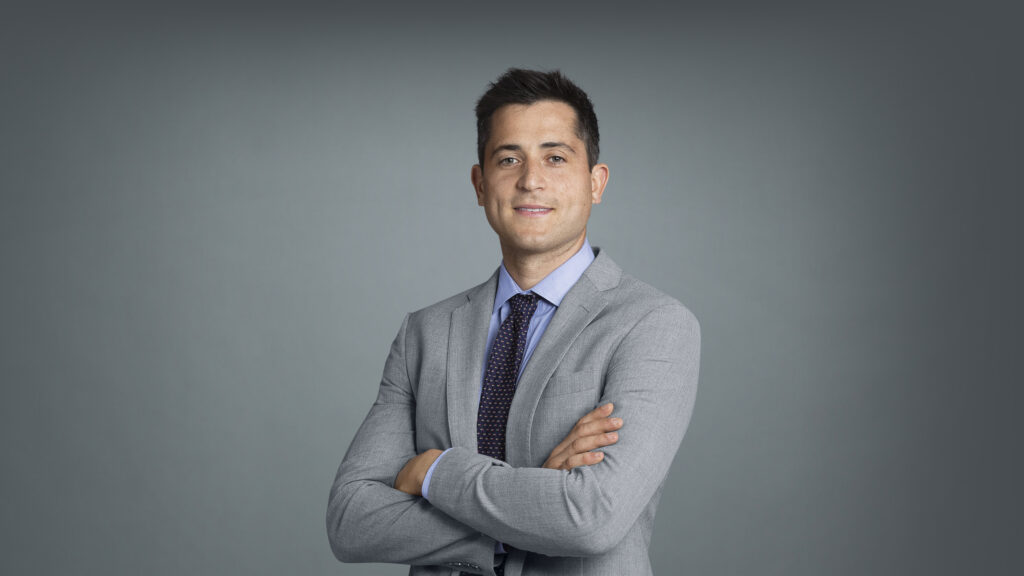
Omri B. Ayalon, MD
Assistant Professor, Department of Orthopedic Surgery at NYU Grossman School of Medicine and Co-Director of Center for Amputation Reconstruction.
The Sports Health experts at NYU Langone have the multi-specialty expertise to provide coordinated, comprehensive care for all types of athletes. As an official healthcare partner, Life Time can offer its members exclusive direct and easy access to NYU Langone’s world-class orthopedic specialists and performance experts, who can help you meet your health and fitness goals. To schedule an in-person appointment or video visit with a Sports Health expert, visit https://nyulangone.org/care-services/sports-health/request-appointment-lifetime.