

Skip to content

Heart & Cardiovascular Health

Talks — S6, EP15 / What Is Inflammation?

Inflammation is a natural bodily response that is essential in acute circumstances — we need it to happen we get a paper cut or if we’re fighting a head cold. Its harmful effects occur, however, when it becomes chronic and systemic. Functional-medicine practitioner Gregory Plotnikoff, MD, shares what to know about inflammation, including what causes it, how it impacts our health, ways we can test for it, and proactive steps we can take in our daily lives to tame it.


With Gregory Plotnikoff, MD

Which Health Conditions Are Considered Inflammatory?

Chronic conditions such as autoimmune disorders, Alzheimer's, and certain types of arthritis indicate some level of inflammation.
By Mo Perry

Talks — S6, EP9 / The Importance of Heart-Rate Zone Training

Understanding your heart-rate zones allows you to approach your fitness efforts in a more personalized way — working at the right intensity level and tapping into the right fuel source for your body at the right time. Omaur Bliss, GTX Coach, explains more about the benefits of this type of training and the ways it’s integrated into GTX programming.


With Omaur Bliss, GTX Coach

A Look at the Stress Reaction and Heart Health Lab Panel

What blood markers are tested and why knowing them can positively impact your health plan and trajectory.
By Samantha McKinney, RD, CPT

What Are the Risks of Taking an Aspirin Every Day?

For heart-healthy people over the age of 60, taking a daily aspirin has "no net benefit," according to a recent JAMA report by the 2022 U.S. Preventive Services Task Force.
By Craig Cox

Talks — S5, EP17 / 10 Rules for Aging Well

Every second of every day, all of us are aging, and yet we often wait to address — or altogether avoid — age-related concerns about our health until we reach a certain point in our years or our capabilities begin to diminish. Frank Lipman, MD, shares 10 essential factors he’s outlined for aging well, emphasizing that it’s never too late — or too early — to start embracing them, and that it’s not as difficult as you might think.

With Frank Lipman, MD

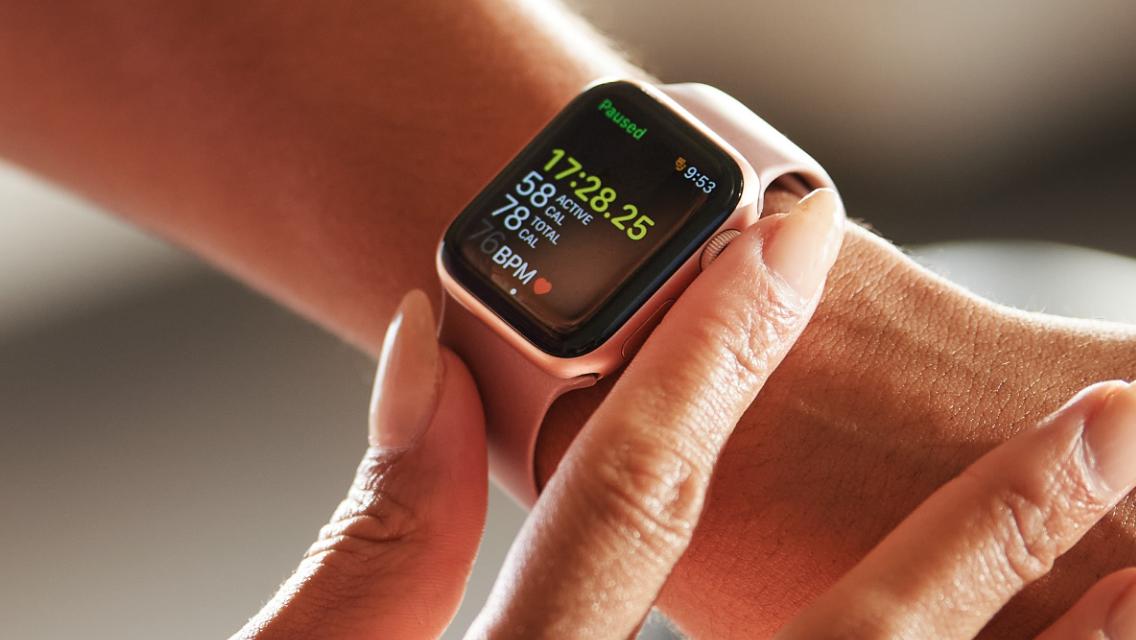
Do You Need a Heart-Rate Monitor?

Are these devices really worth it? A Life Time trainer shares the influence they can have on your training regimen and outcomes.
By Samantha McKinney, RD, CPT

How to Increase Your VO2 Score

And why it's a marker for you to care about.
By Samantha McKinney, RD, CPT

5 Markers For Every Health-Conscious Person to Know

Regularly testing for and tracking these markers can provide invaluable insights to the course of your health journey.
By Samantha McKinney, RD, CPT

Talks — S5, EP10 / All About Heart-Rate Training: How to Use it to Maximize Your Fitness Efforts

Heart rate can be a powerful tool for building fitness and seeing results from your exercise regimen. Danny King, Master Trainer, shares what to know about heart-rate training, including what it is, how to use it in your workouts, and the ways you can identify the key metrics needed for yourself.


With Danny King, Master Trainer

Becoming an Effective Fat Burner: How to Build Your Aerobic Base

The benefits of burning fat efficiently go well beyond aesthetics. Here’s advice for how to do it — and not stress your system.
By Samantha McKinney, RD, CPT

Salt: Small Decreases Bring Big Rewards

The New York Time's Jane Brody offers tips for reducing salt intake.
By Craig Cox

3 Unique Ways to Assess Your Heart Health

These simple-to-conduct assessments can provide valuable insights into the health of your heart — and guidance for your fitness regimen.
By Samantha McKinney, RD, CPT

The Benefits of Alkaline Water

Research suggests alkaline water may help lower blood pressure and cholesterol and moderate the effects of diabetes.
By Courtney Helgoe

HIIT for Heart Health

Interval training improves the transfer of calcium in the heart's cell membranes, according to a recent study.
By Craig Cox

How Heart-Rate Variability Affects Your Stress Response

Discover how to create heart-rate coherence for a greater sense of calm.
By Henry Emmons, MD
Back To Top