



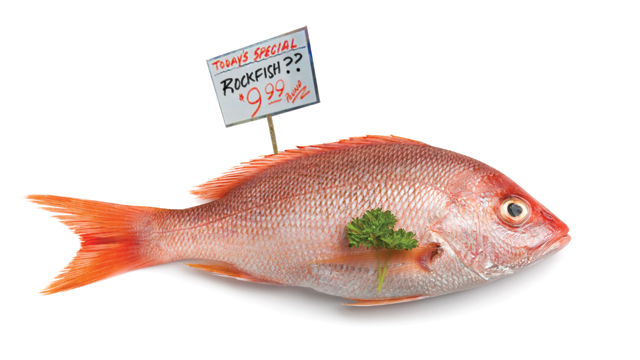
When is red snapper not red snapper? When it’s been renamed rockfish. Mislabeled fish in restaurants and supermarkets has become something of an epidemic in the United States. By some estimates, mislabeling happens up to 90 percent of the time and it affects nearly every type of fish, from tuna to salmon to cod.
With more than 1,700 species of seafood for sale, and limited knowledge on the part of the consumer, it’s easy to get away with mislabeling, says marine scientist Margot Stiles, MS, lead author of a recent fish-fraud study by Oceana, an international organization that works to protect the world’s oceans.
“If one fish is cheaper than another, there’s a temptation to substitute them to make a couple extra dollars on the sale,” she says.
While being duped never feels good, there’s even more at stake with mislabeled fish: potential health consequences. A mislabeled fish may be a species that accumulates more toxins, such as mercury, than the one you think you’re buying. It may also be lower in healthy omega-3 fatty acids, or pose a risk to those with specific fish allergies. While Oceana and other groups are pushing for stronger regulation by the FDA, you can take steps to make sure the fish you’re buying is actually the fish you want.
Look for these 3 things when purchasing fish:
- Avoid highly processed fish. Bags of frozen fillets often carry ingredient labels so generic that they cite only that the package contains “fish,” which may mean you’re not getting what you’re paying for, or that you’re getting a messy amalgam of fish.
- Check the price. If you regularly consume certain types of fish and see a sale that seems too good to be true, it could mean that the supplier is passing off a different fish as the real deal.
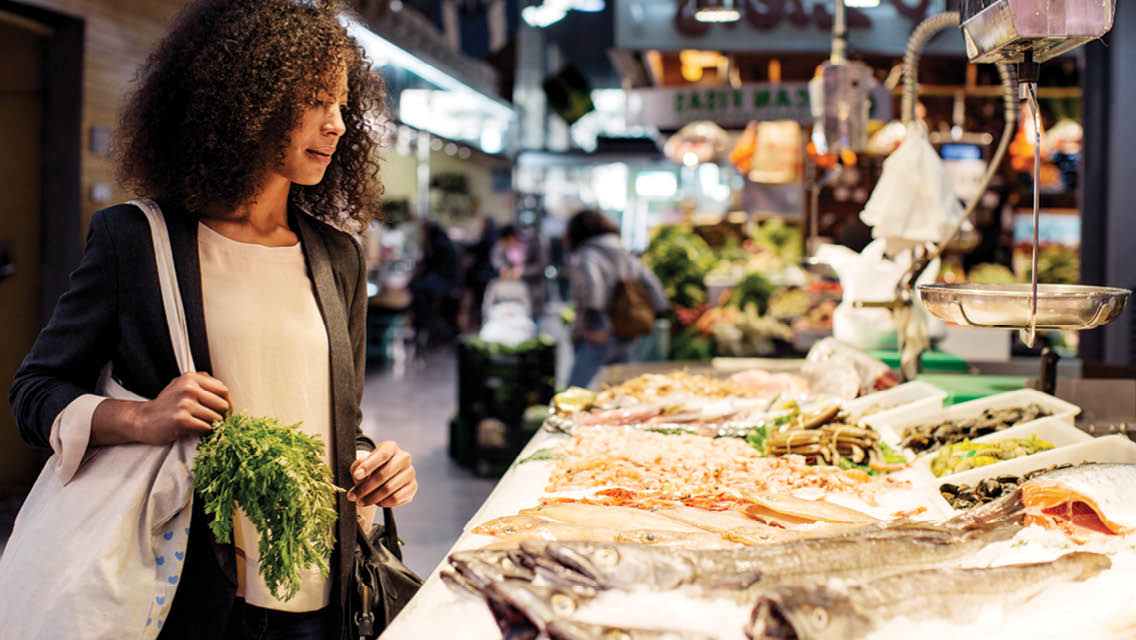
- Look for whole fish. Get the fish you want filleted right in front of you at the store, because whole fish are much harder to fake than anything already packaged.


Comments (0)