




A personal trainer can help you tackle your fitness goals efficiently and effectively. But finding the right person for the job can be overwhelming. Not only is it important to find someone knowledgeable, but a great client–trainer relationship is also about finding a good personality match.
“When it comes to personal trainers, what differentiates the best from the rest is understanding behavior modification and having the ability to actually get people to do the things you’re putting together for them,” says Jason Stella, NASM, PES, CES, Life Time’s national education manager. “It’s about meeting the client where they’re at — the art of sneaking in what they need while giving them what they want so they come to enjoy the experience.”
Credentials are undoubtedly important, but a lineup of letters after someone’s name isn’t everything. Experience, trust, respect, amiability, and shared values are other factors that elevate a coach from simply a fitness-floor boss to a valued guide who can effectively motivate you to push yourself toward your potential.
Likewise, a trainer with an impressive Instagram presence and celebrity clients — or even someone who trains your best friend or partner — isn’t necessarily going to be the right fit for you.
“The best trainers are the ones with a model of consistency behind their name — the ones whose clients are sticking around and getting results,” says Lee Boyce, a Toronto-based strength coach.
Stella and Boyce offer some tips for finding the right trainer for you.
Know What You Want
Deciding whether you want to pursue in-person, remote, or hybrid training is a good first step when seeking a trainer. Do you prefer the motivation of working out in a shared space, or do you want privacy? Are you looking to get out of your house, or would the convenience of remote or at-home training help you maintain a consistent regimen?
Then consider your experience level: Are you a new exerciser who needs support to learn good form? Or do you simply want a program to follow and accountability?
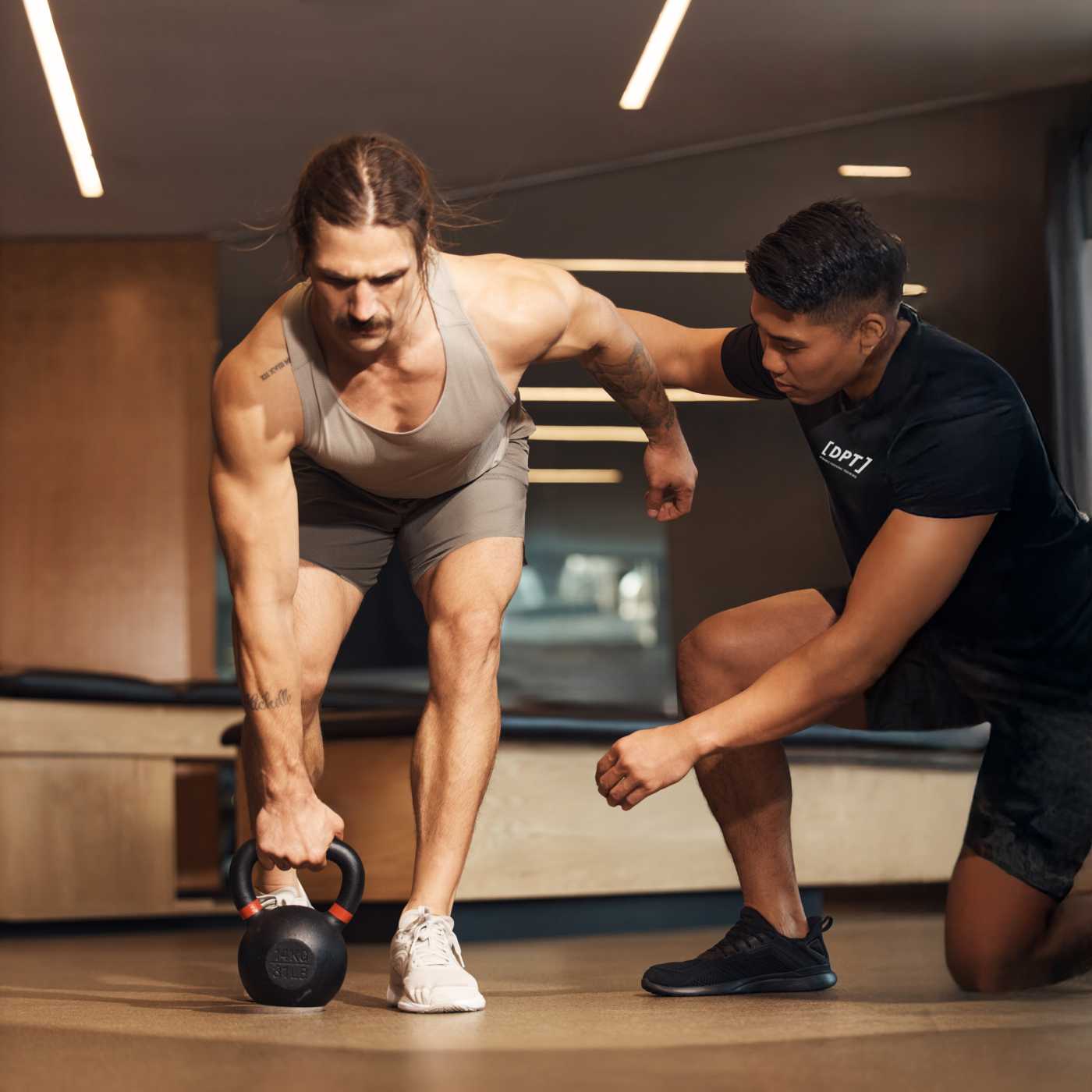
“If you’re not a beginner, you can go to town with online programming,” Boyce says. “But if you need to learn what a deadlift is or what a squat is, you’ll be best with an in-person coach first.”
Prioritize Program Design
Prefabricated programs have their place — particularly if the cost of one-on-one training is prohibitive — but working directly with a coach means the program will be tailored to you. “A trainer can put together a program oriented toward linear progression and help you implement it long-term,” says Boyce.
A solid training program includes not only workouts on the days you meet with your trainer but also a plan for the days you’re on your own. This plan may comprise additional workouts, recovery days, stretching and mobility exercises, and even lifestyle suggestions. You can ask prospective trainers what types of programs they provide, and request a sample routine to determine whether it meets your needs.
Think about the big picture when comparing trainers and the cost of their sessions, says Stella. “Instead of thinking only about the cost per hour, consider: Here’s a program that’s going to get me to my goals.”
Find the Right Fit
Any trainer should be able to personalize a program based on your training history, goals, and abilities, and modify exercises when necessary. Beyond this baseline, the modern fitness landscape includes plenty of specialists who can support you through circumstances like injury recovery, pregnancy, and beyond.
There are coaches who specialize in trauma-informed movement. Adaptive trainers work with athletes living with disabilities. Some trainers and spaces honor LGBTQIA+ populations or people of a particular heritage or cultural background. Multilingual trainers abound. The list goes on.
If you think you may benefit from a trainer who holds additional credentials and certifications, don’t be shy about seeking them out. Stella recommends asking for personal-trainer referrals from other health-and-wellness experts in your network.
Trust Your Gut
“Soft skills hold more weight to people than meets the eye,” notes Boyce, referring to nontechnical skills, like the ability to communicate clearly, maintain a positive attitude, and manage emotions. A trainer can be well educated and their clients can get great results, but they might not be the best fit for you from a personality perspective.
If you can tell from the get-go that you and a trainer just don’t click, it’s OK to switch to someone else. One thing a trainer should never do is berate clients or make them feel uncomfortable, so if this is the case, terminate the relationship right away.
Make the Most of Your Workouts
Working with a fitness coach is a relationship, and the effort you put in influences what you’ll get out of the experience. Our experts offer these tips to maximize your training experience.
- Show up on time and be ready to work. The first step toward any goal is simply showing up. Doing so in a timely fashion and with the right mindset not only sets you up for success, but also shows that you respect your personal trainer and the process.
- Do your homework. Results come not just from one or two training sessions a week, but from all the things you do on your own, including sleep, nutrition, mobility work, and additional workouts, says Life Time’s national education manager Jason Stella.
- Be curious. “Asking questions gives a client the power of having knowledge, so eventually they can train more on their own,” says strength coach Lee Boyce.
- Trust the process. Not all exercises are flashy and fun, and progress doesn’t always mean adding more weight to the bar, says Boyce. “Variety might keep you from getting bored, but trainers also have to make sure their client is proficient in fundamental movement.”
This article originally appeared as “Partners in Fitness” in the May 2023 issue of Experience Life.




Comments (0)