




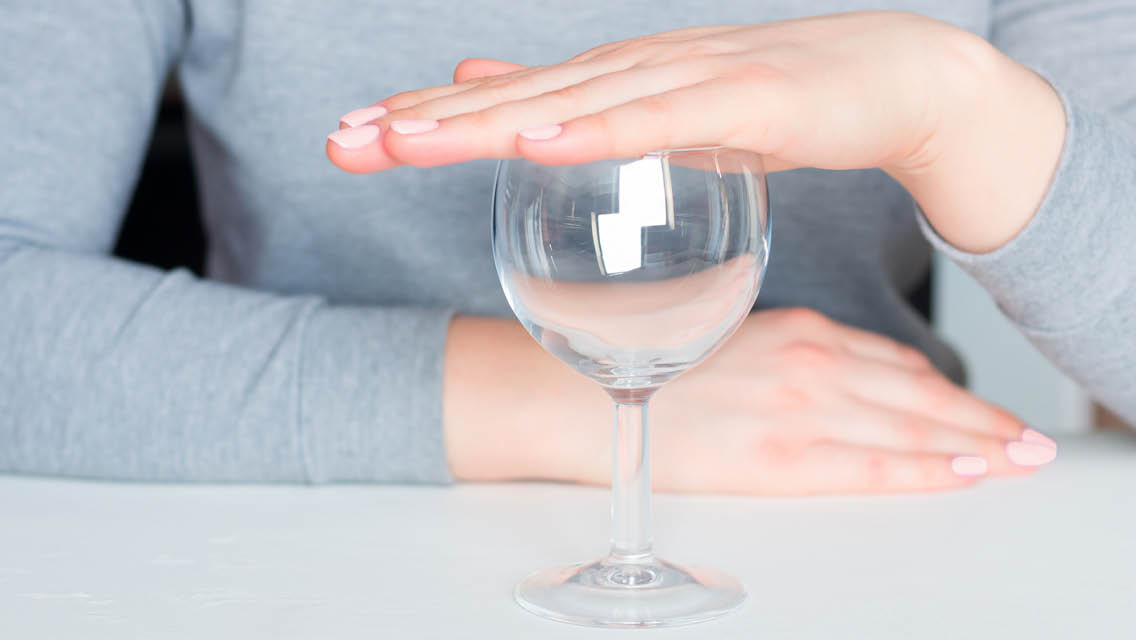
Winding down in the evening with a nightcap has timeless appeal, but for those who suffer from insomnia, alcohol is likely to have the opposite effect. It works more like a prescription sedative, shutting down brain activity but not helping the body transition into restorative deep sleep.
“Alcohol doesn’t make a person fall asleep or stay asleep better,” says sleep-medicine specialist W. Chris Winter, MD, author of The Sleep Solution. “It makes a person unconscious.”
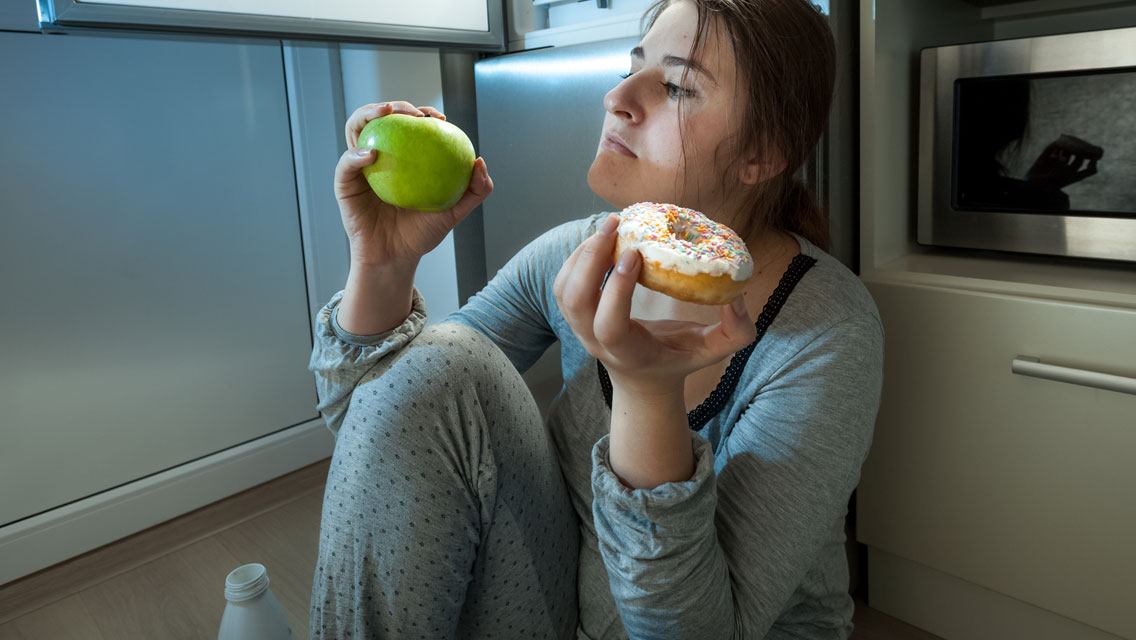
What’s more, if you have a taste for sweet mixed drinks or sweet wine, the high sugar content can cause a quick boost in blood sugar that is usually followed by a crash. When your blood sugar plummets during sleep, it can trigger a surge of the stimulating neurotransmitter norepinephrine — which wakes you up. For those who were already nursing worries about whether or not they would sleep that night, the norepinephrine can aggravate that anxiety.
This was excerpted from “Good Night, Insomnia” which was published in Experience Life magazine.


Comments (0)