



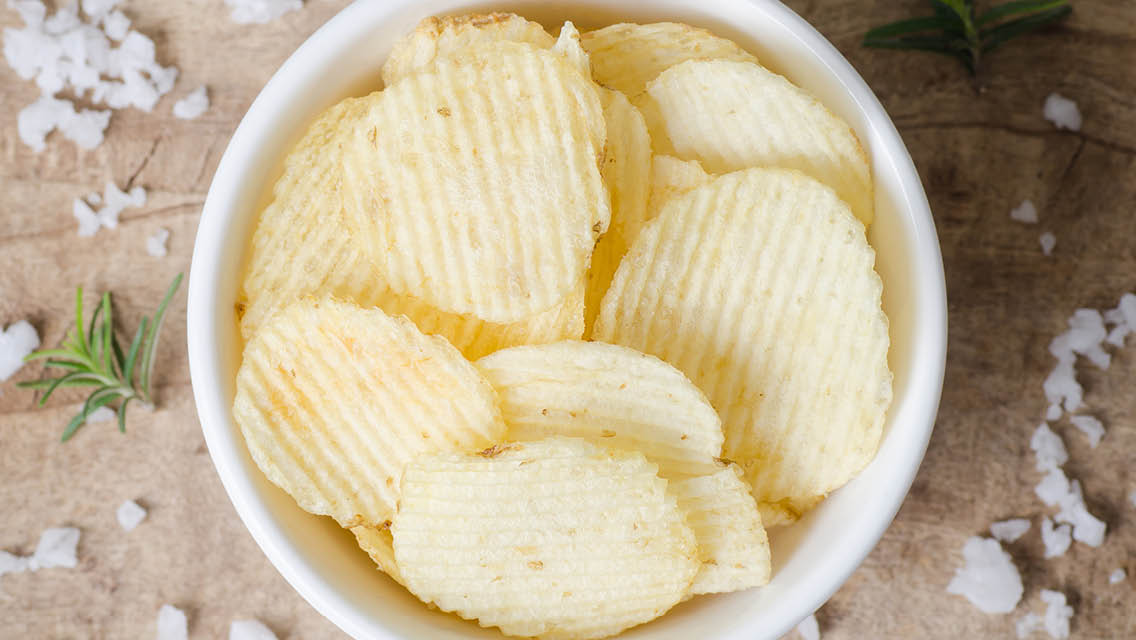
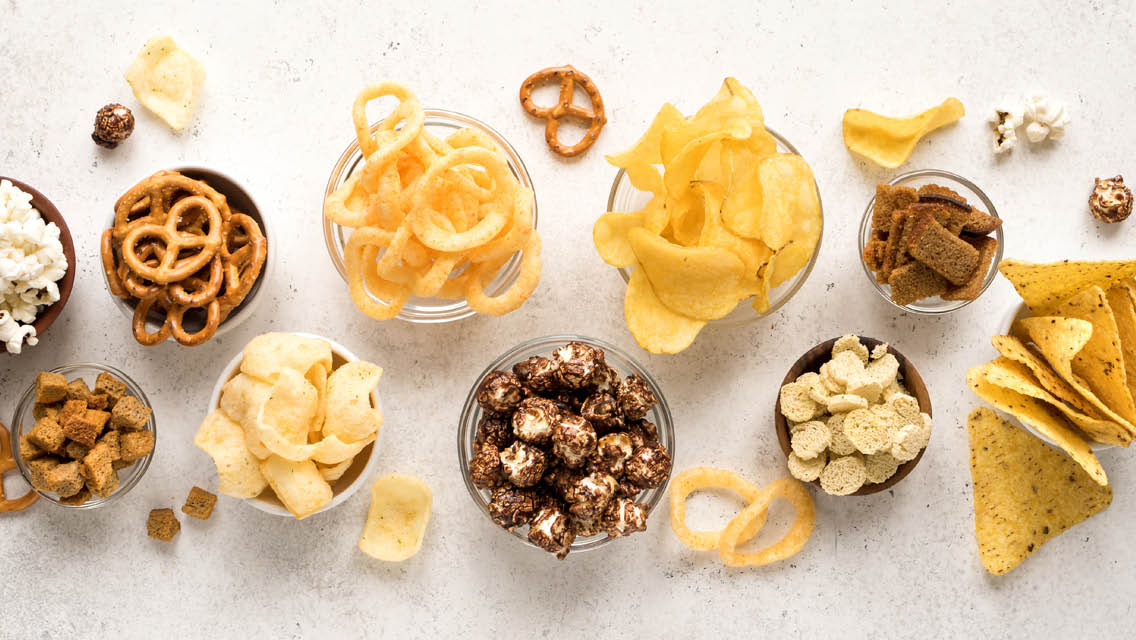
Compare two common snack foods: baby carrots and potato chips. One is fresh, healthy, and nutritious, and yet it’s unlikely most people would ever overindulge. The other is chock-full of salt, fat, and starches that the body converts to sugar, and it can be remarkably easy to devour a family-size bag in one sitting.
Certain foods are significantly more addictive than others, according to several studies, including a 2021 report in the Annual Review of Nutrition. And highly processed foods lead the way.
Researchers developing the Yale Food Addiction Scale, released in 2009, used criteria from the American Psychiatric Association’s Diagnostic and Statistical Manual of Mental Disorders to identify signs of addiction-like eating.
The foods most likely to cause this behavior? Sweets and sugary drinks; salty snacks; white flour and rice; and high-fat anything, from hamburgers to pizza.
A recent survey of addictive-eating patterns published in PLOS ONE found that the most problematic foods are all processed ones — chocolate, ice cream, and French fries lead the list.
There’s a reason these foods are so addictive: Big Food has engineered them to tap into the part of our brains where habits are formed, explains Pulitzer Prize–winning journalist Michael Moss, author of Hooked: Food, Free Will, and How the Food Giants Exploit Our Addictions.
High concentrations of fats, salts, sugars, artificial flavorings, and texture enhancers in processed foods are key to their allure. It’s true there’s plenty of sugar in some fruits and vegetables, like baby carrots, and there’s abundant fat in meats, nuts, and eggs. Yet few foods found in nature combine high levels of fat and sugar in the way processed fare does.
Plus, chips also pack that distinctive crunch.
“Some research shows that the noisier a chip is, the more we will eat. So the chip makers put lots of effort into maximizing the noisiness of chips.”
“Some research shows that the noisier a chip is, the more we will eat. So the chip makers put lots of effort into maximizing the noisiness of chips,” Moss explains.
So, why aren’t those crunchy baby carrots addictive too?
Research suggests that the carbohydrates in highly processed foods rush into the bloodstream, causing blood-sugar spikes. As these carbs are digested, they prompt the gut to send signals to the brain, triggering a surge of dopamine, which has been associated with addictive behavior.
Whole foods, Moss argues, are unlikely to cause such spikes, and they typically take longer to prepare and eat, essentially putting the brake on bingeing.
“Speed is a big factor in addiction; the faster a substance hits the brain, the more apt we are to be seduced by it,” he explains. “The slowness of whole foods helps avoid overeating.”
Avoiding all processed foods can be daunting, but there are other ways to regain control over your eating habits. Moss, for instance, cooks his family’s meals from scratch.
He also has a broader vision: “I hope that every school in the world can help kids get excited by real foods by having a garden for them to experience and by working good food into the curriculum so that kids can more easily get hooked on, say, blueberries and radishes rather than Doritos.”




Comments (2)
Thank you. This was very helpful.
I am trying to lose weight and found this article insightful. I spent all day today preparing
butternut squash, making coleslaw, making strawberry jam. This is aside from breakfast, lunch,
and dinner. It is cold in Minnesota so this keeps me busy, and, also, healthy.
Like they say, stick to the perimeter of the grocery store!!