



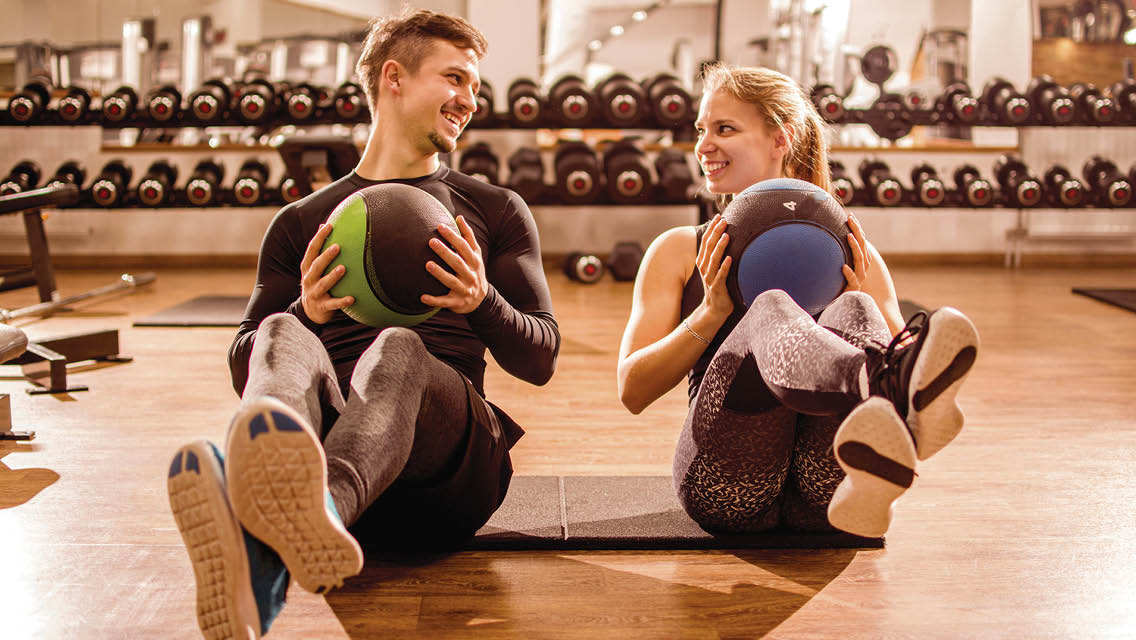
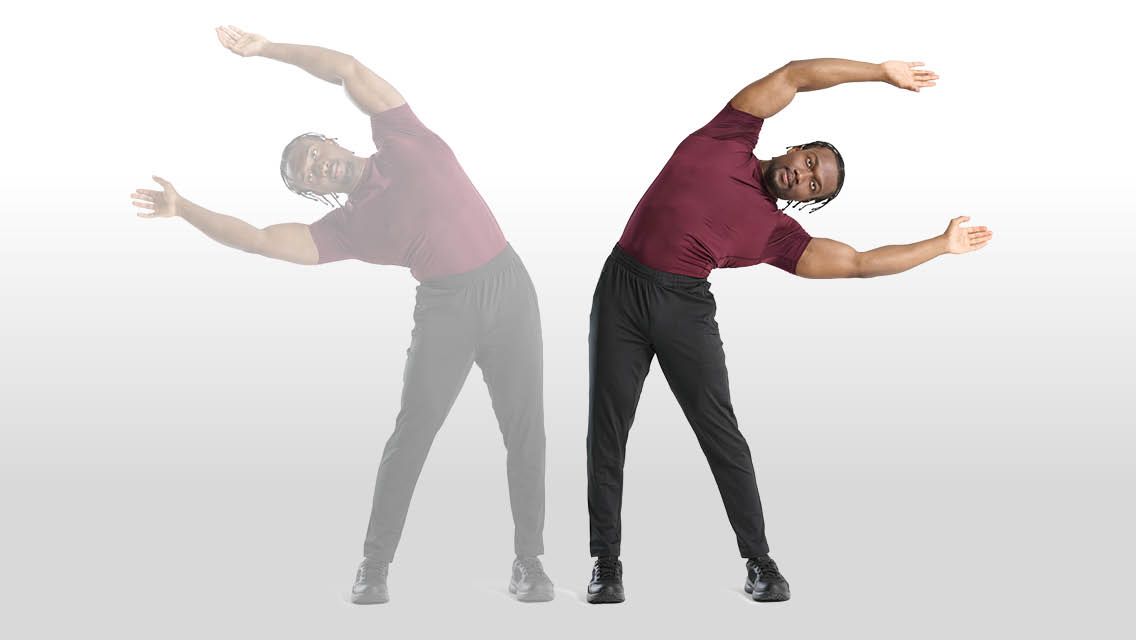
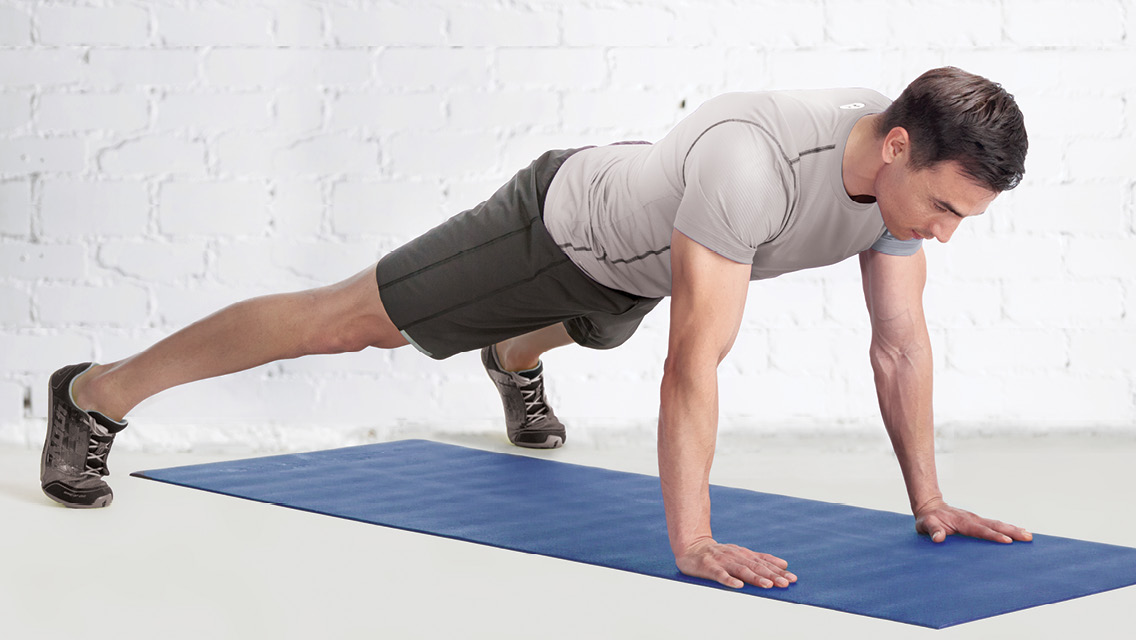
For years, supine exercises — like crunches and sit-ups — were considered the optimal way to train abs. Then came a rise in popularity of prone moves like planks and mountain climbers, which were considered more functional and less likely to cause neck or back pain. Now, the trend is standing abs routines, which include standing crunches, wood chops, and marching in place.
Proponents of core exercises that require you to get on the floor explain that floor workouts are more stable and more likely to be performed correctly, due to the support of the ground beneath you. They leverage gravity and the weight of a person’s trunk to challenge and improve strength. Floor-based exercises are especially good for people with mobility limitations or balance issues, like vertigo.
Standing abs aficionados, such as functional-movement specialist Gary Gray, PT, FAFS, note that most daily activities requiring core activation happen on two feet. Moreover, reaping benefits from floor-based core work is dependent on maintaining perfect form and muscle activation, which can be a tall order.
Standing abs are ideal if you experience joint issues, such as neck, lower-back, and wrist pain, while doing floor exercises, says personal trainer Jacque Crockford, ACE, DHSc. They’re great for small spaces, building proprioception and balance, and training power. And they can be safe for prenatal workouts and for people recovering from injuries.
Crockford notes that it’s important to not think of standing abs as easy and floor-based core as advanced. Either can be modified to suit your fitness level, so choose one — or a combination of both.
(New to standing abs? Find a six-move functional routine from Gray at “The Standing Ab Workout.”)
As much as we try to pit activities or exercises against each other to find the ultimate fitness path, the real answer is that there isn’t one. To explore more exercises that are often pitted against each other, visit “Is There Really a “Best” Workout?,” from which this article was excerpted.



Comments (0)