




Caffeine delivers a jolt of energy, and though our bodies don’t need the nutrient to function optimally, it is often used as a supplement itself or added to other supplements. It’s not strictly a nutritional supplement, nor does it offer longer-term benefits, but it can be effective and safe when used with care — and problematic if overused.
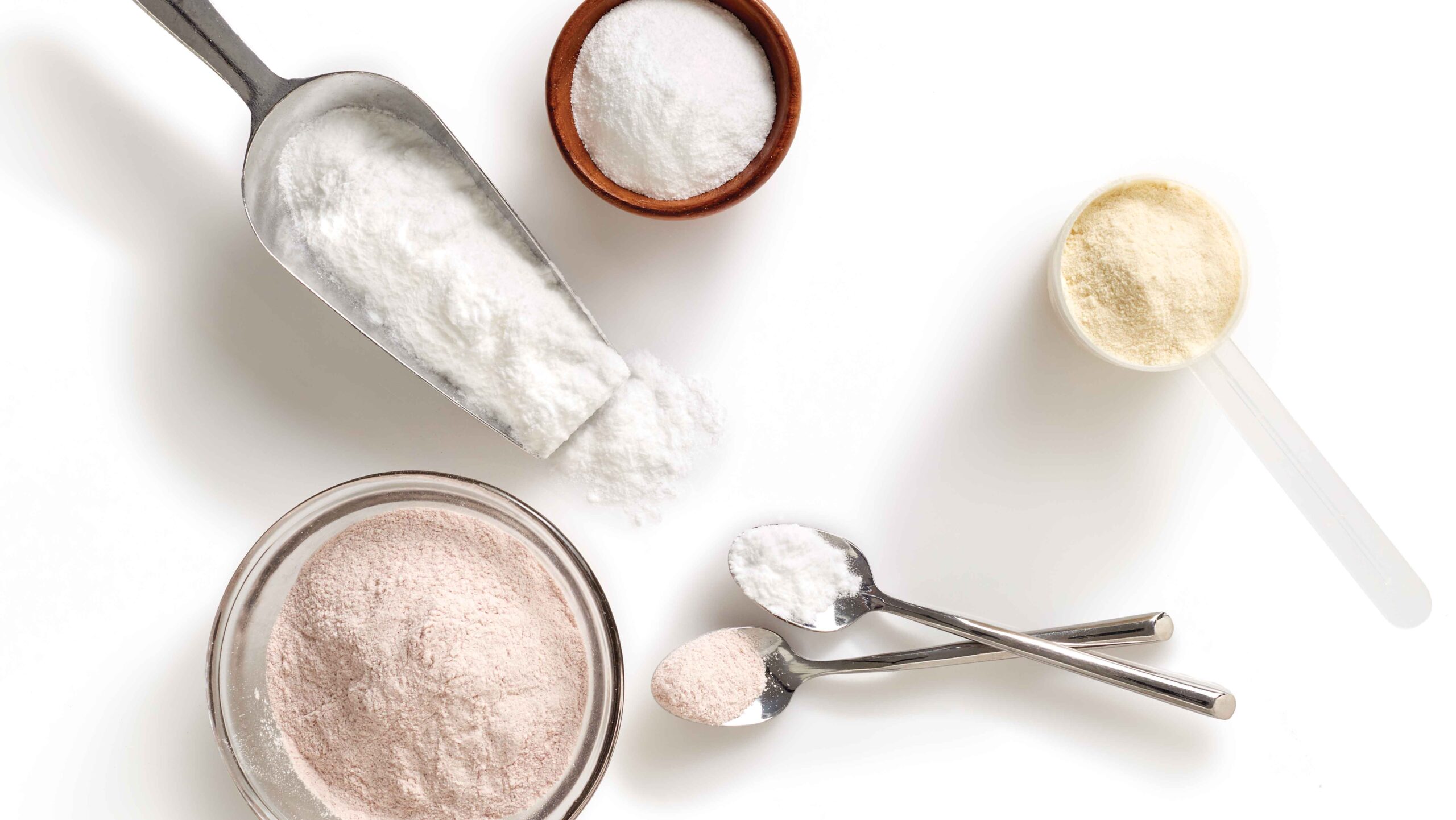
What It Is: Caffeine is an organic compound found in coffee, tea, cacao, the cola nut, and yerba mate. Natural caffeine is extracted and offered as a supplement in myriad forms, including tablets, powder, and liquids. Synthetic caffeine can spur a quicker spike and quicker crash, and is best avoided.
What It Does: Caffeine stimulates the central nervous system, increases blood flow to muscles and the heart, and helps burn fat for energy. It also stimulates the adrenal glands, which secrete fight-or-flight hormones, giving you additional energy. Caffeine also appears to reduce perceived pain and exertion. Study findings indicate it’s most effective for endurance activities (such as running and cycling) and activities of long duration with intermittent activity (soccer) rather than more anaerobic, shorter bouts of intense exercise (like weightlifting).
Why You Might Use It: You’re seeking a kick-start or burst of zing. But caffeine is more than just an energizer, reports Life Time’s Tom Nikkola, CSCS. “Caffeine significantly improves time to fatigue as well.”
Caffeine is considered safe at up to 400 to 500 mg per day for adults: A brewed cup of coffee and a commercial energy shot each contain about 190 to 200 mg. Regular caffeine drinkers whose bodies are more acclimated to it may find it less ergogenic. Ingest 30 to 60 minutes prior to an event.
Safety Concerns: “Heavy caffeine use (500 mg per day or more) might diminish rather than enhance physical performance,” according to the NIH. Note that the International Olympic Committee and National Collegiate Athletic Association consider caffeine consumed at certain high levels a “controlled or restricted substance.”
This originally appeared in “Fitness Supplements 101” in the July-August 2020 print issue of Experience Life.




Comments (0)