



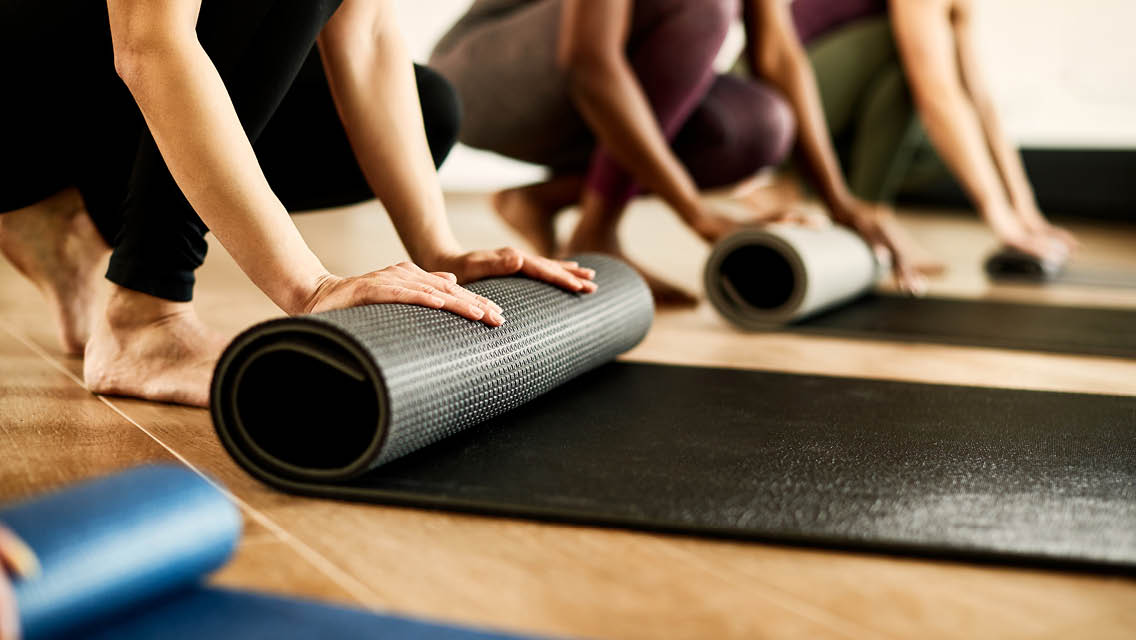
Yoga and Pilates are often conflated or considered two sides of the same coin, yet they are quite different. Yoga is an ancient, multipronged spiritual practice that includes physical elements but was not meant to be a form of physical exercise. Pilates, on the other hand, was developed in the 20th century as a mode of rehabilitation focused on core stability, efficiency of movement, postural alignment, and balance.
But they do have things in common. Yoga and Pilates are both practices that foster the mind–body connection, building psychosomatic awareness while simultaneously challenging the physical body, explains Pilates instructor Sonja R. Price Herbert, a social worker, author, activist, and founder of Black Girl Pilates.
Moreover, “if you look at the asanas of yoga and you look at the exercises of Pilates, some of them look similar,” says Herbert. For example, the boat pose in yoga looks like the teaser in Pilates — both require strength, balance, coordination, and focus — but the execution and purpose of each are different.
“Yoga is about finding yourself through movement, while Pilates is intended to be a workout first.”
“Yoga is about finding yourself through movement, while Pilates is intended to be a workout first,” says Herbert. “Is Pilates challenging your body and your strength, and is it challenging your mind? Absolutely. But it’s different from what yoga [was created to do].”
In today’s fitness landscape, where mind–body practices are lauded on their own and combined into new methodologies (yogalates, anyone?), yoga and Pilates can be complementary. Both practices have been shown to increase bone density, and both offer tremendous benefits for healing while challenging practitioners to focus on the mind–body connection, experts say.
It’s OK if one makes you feel better, or you simply just love one more than the other one. You can’t go wrong with either. And if you can’t choose just one, you can always incorporate both into your life.
As much as we try to pit activities or exercises against each other to find the ultimate fitness path, the real answer is that there isn’t one. To explore more exercises that are often pitted against each other, visit “Is There Really a ‘Best’ Workout?,” from which this article was excerpted.

Comments (0)