



Take a close look at the nutrition labels on many processed-food products and you’ll see some ingredients that also have starring roles in nonfood items — often industrial products.
Just because an ingredient leads a double life in an industrial product doesn’t necessarily make it unhealthy, but it does underscore just how often processed-food products incorporate ingredients that aren’t straight off the vine.
If you’re trying to eat fewer processed — and more whole — foods, this list will give you more good reasons to make the switch.
1. Ingredient: Olestra
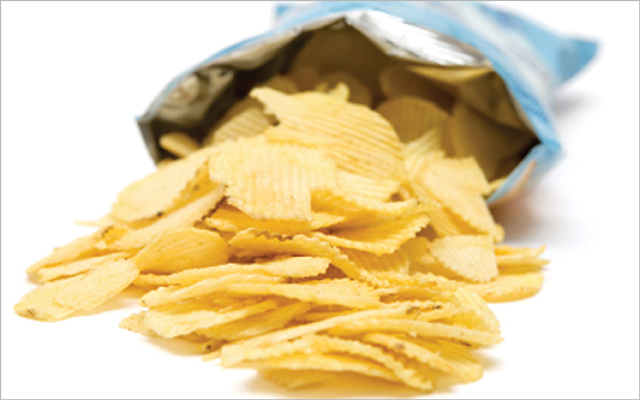
Food Use: fat-free potato chips
Industrial Use: paints and lubricants
Potential Side Effects: Diarrhea, abdominal cramping
2. Ingredient: Calcium Chloride
Food Use: sports drinks, pickles
Industrial Use: road salt, ice melt
Potential Side Effects: digestive tract irritation
3. Ingredient: Phosphoric Acid
Food Use: soda
Industrial Use: rust removal
Potential Side Effects: decreased bone density, kidney stones
4. Ingredient: Calcium Sulfate
Food Use: tofu (for coagulation)
Industrial Use: drywall, plaster of Paris
Potential Side Effects: abdominal swelling, pain
5. Ingredient: Cornstarch
Food Use: pudding, chewing gum, certain canned goods
Industrial Use: rubber tires, plywood, insecticides
Potential Side Effects: this “hidden carb” may derail those trying to minimize flour- and sugar-based carbohydrates
6. Ingredient: Corn Syrup
Food Use: ketchup, cheese spreads, marshmallows, dehydrated soups
Industrial Use: shoe polish, metal plating, explosives
Potential Side Effects: linked to diabetes, obesity and metabolic syndrome
This article originally appeared as “Industrial Eats”.








Comments (0)