



As a gardener, someone who eats food, and an environmentalist, I’ve been following the news about the honeybee decline very closely.
These little creatures are under threat from the four “Ps”: parasites, pathogens, poor nutrition, and pesticide exposure.
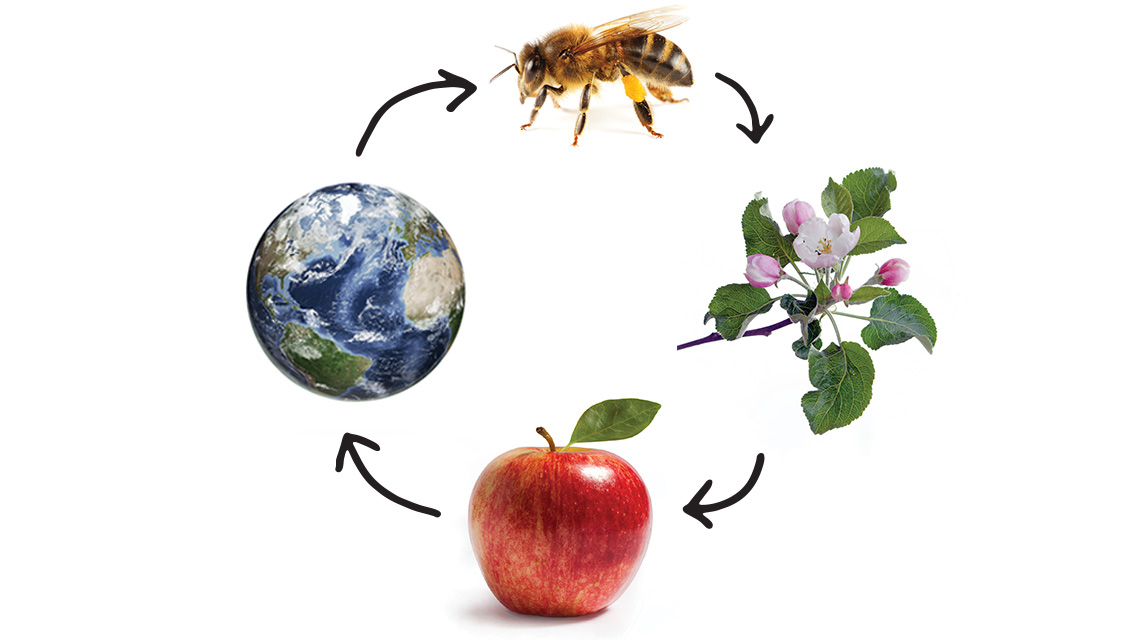
Honeybees are responsible for pollinating three-fourths of the foods we eat — like nuts, vegetables, herbs, and fruits. That amounts to about one in three mouthfuls of our diet!
But honeybees are just one species being impacted. There are about 4,000 native bee species living in our cities, farms, and forests. Since honeybees don’t pollinate tomato or eggplant flowers and many native plants — such as blueberries and cranberries — these species play a pivotal role in pollination, too.
So while scientists are working to pinpoint the cause of colony collapse disorder and governments and nonprofits are taking steps to combat monarch butterfly and other wildlife habitat loss, there’s plenty you can do to help.
You can buy organic food, stop using herbicides and pesticides in your yard, and place pollinator-friendly plants in your home landscape.
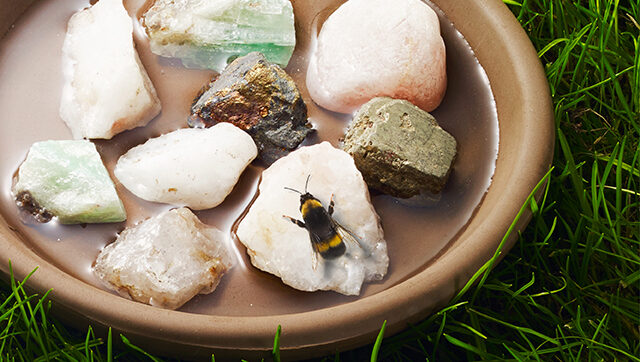
In addition to proper plant nutrition, bees and other beneficial insects — like butterflies, ladybugs, and predatory wasps — need fresh water to drink. Most can’t land in a bird bath, but creating an oasis for them is simple:
1. Get a shallow dish — like a terracotta pot saucer.
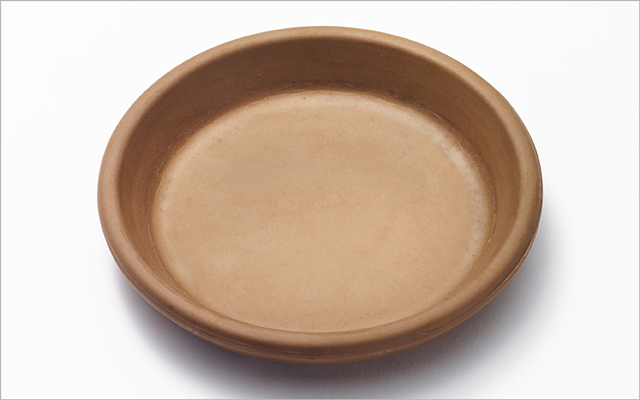
2. Collect some small rocks to add to it. These create islands for pollinators to land on while they drink.
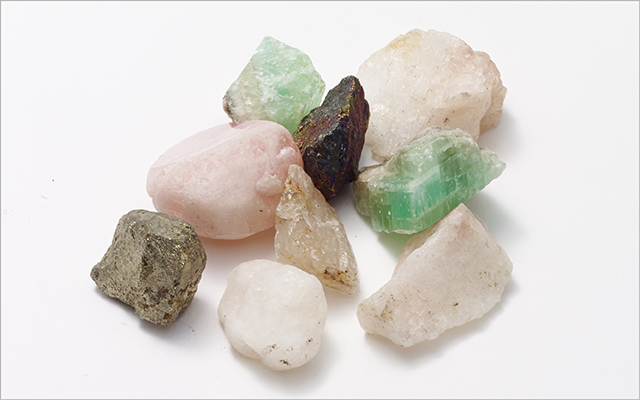
3. Place it at ground level in your garden wherever you see pollinators eating or where “problem plants” — like those that attract aphids — are growing.
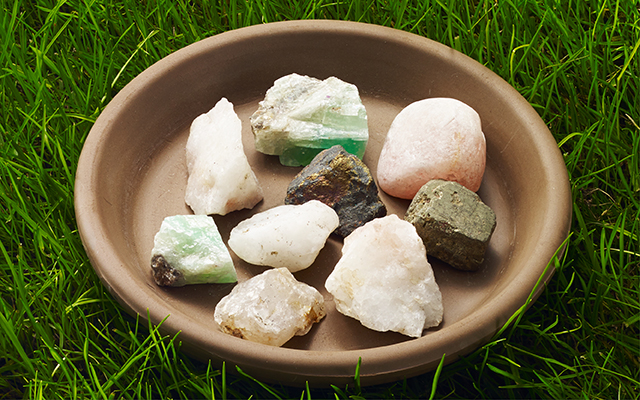
4. Fill daily with just enough fresh water that will evaporate by the end of the day.
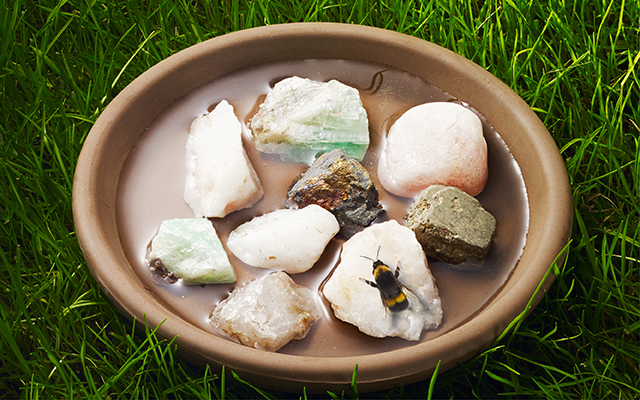
Finally, enjoy watching this new hive of activity. It’s sure to be the bee’s knees.




Comments (0)