



The Environmental Working Group (EWG) released its 2025 “Dirty Dozen” and “Clean Fifteen” reports — lists of conventionally grown fruits and vegetables with the highest and lowest levels of pesticide residue.
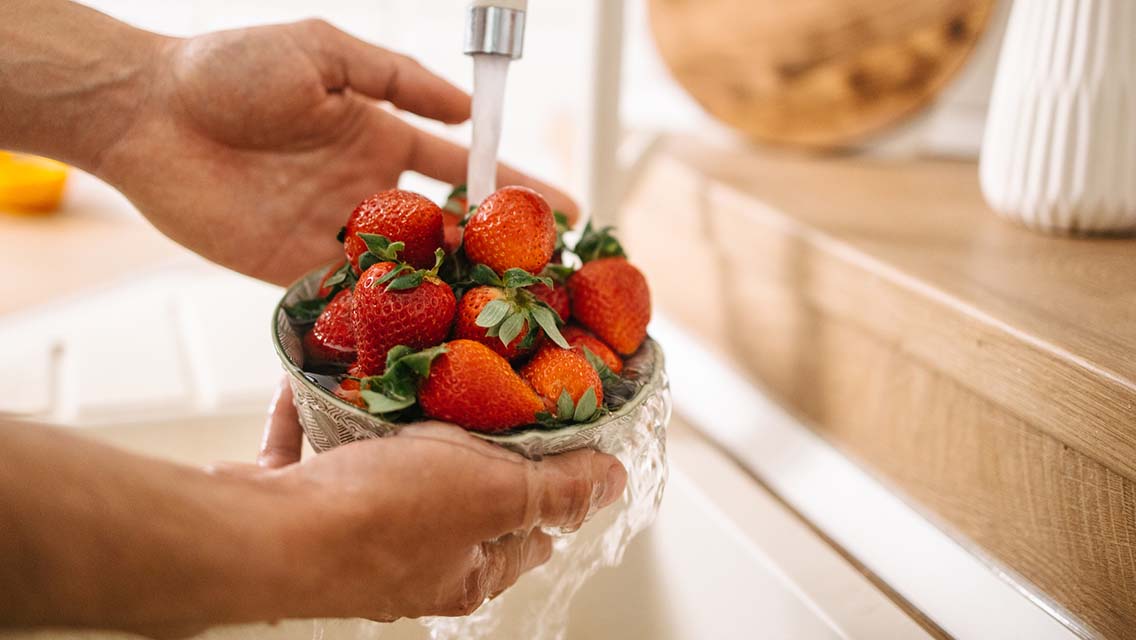
After holding the top spot on the Dirty Dozen list for nine straight years, strawberries have been bumped to second place by spinach, now the most pesticide-contaminated produce. Like last year, dark leafy greens, grapes, and peaches round out the top five. New to this year’s Dirty Dozen? Blackberries and potatoes.
This year, EWG updated its methodology to include pesticide toxicity as a factor in the rankings. The updated methodology still measures the produce with the most pesticides, but it also looks at the fruits and veggies with the most potential health risks.
Take blueberries, for example, which landed at No. 11 on the Dirty Dozen list. Twelve percent of all blueberry samples contained phosmet, an organophosphate insecticide “that may be harmful to children’s developing brains,” said Alexis Temkin, PhD, vice president for science for EWG.
“The updated methodology reflects important aspects of pesticide exposure for people,” Dayna de Montagnac, MPH, EWG associate scientist, notes in a news release. “Our research takes into account the potency of each chemical and can help shoppers reduce their overall pesticide burden.”
Organic produce can be a good choice for reducing pesticide exposure, adds Temkin, but “it’s important to remember that everyone should eat plenty of fruits and vegetables however they are grown, including items on the Dirty Dozen.”
Here are EWG’s Dirty Dozen and Clean Fifteen lists for 2025:
The Dirty Dozen: |
The Clean Fifteen: |
|
|
For a full list of where various fruits and veggies rank, visit the EWG website.



Comments (1)
So what’s the best way to clean fruits and veggies, in particular, the Dirty Dozen?