



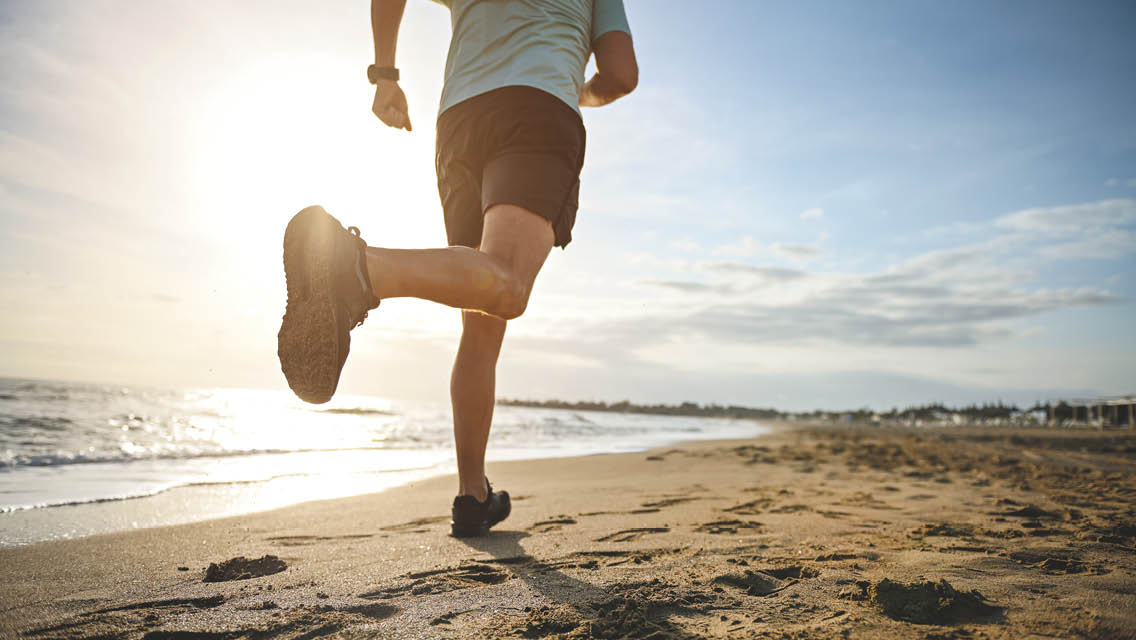
Athletes often lose time against the clock as they get older — but is this truly just a result of aging?
That’s the question Johannes Burtscher, PhD, of Switzerland’s University of Lausanne, studied with colleagues in a 2022 systematic review of six long-term trials.
Aging has long been linked to fitness decline. VO₂ max, or the measure of the volume of oxygen that your body can utilize at any one time (the gold standard of measuring fitness), declines some 10 percent per decade after about age 25 or 30. And researchers agree that the percentage drops more quickly following your 60th birthday.
But in studies of elite masters endurance athletes, Burtscher found that VO₂ max falls only gradually with age; it’s usually a drop in physical activity that causes the steep decline in this important biomarker.
As we age, continuing to exercise becomes more critical than ever.
“Although aging leads to reduced fitness, humans can maintain very high fitness up to old age if they train regularly,” he says. “Getting older is not an excuse to reduce training.”
As we age, continuing to exercise becomes more critical than ever, Burtscher explains. “It is important to highlight that periods of inactivity reduce fitness very rapidly.”
Regaining fitness after a break also gets tougher as we get older. “For both aging elite and hobby athletes, increasing probabilities of disease and injury can interfere with rebuilding fitness. This is a dangerous, vicious cycle, since higher fitness prevents many diseases, but disease reduces the possibility to train.”
In the end, though, fitness is not just about performance, Burtscher says: It’s also about living well.
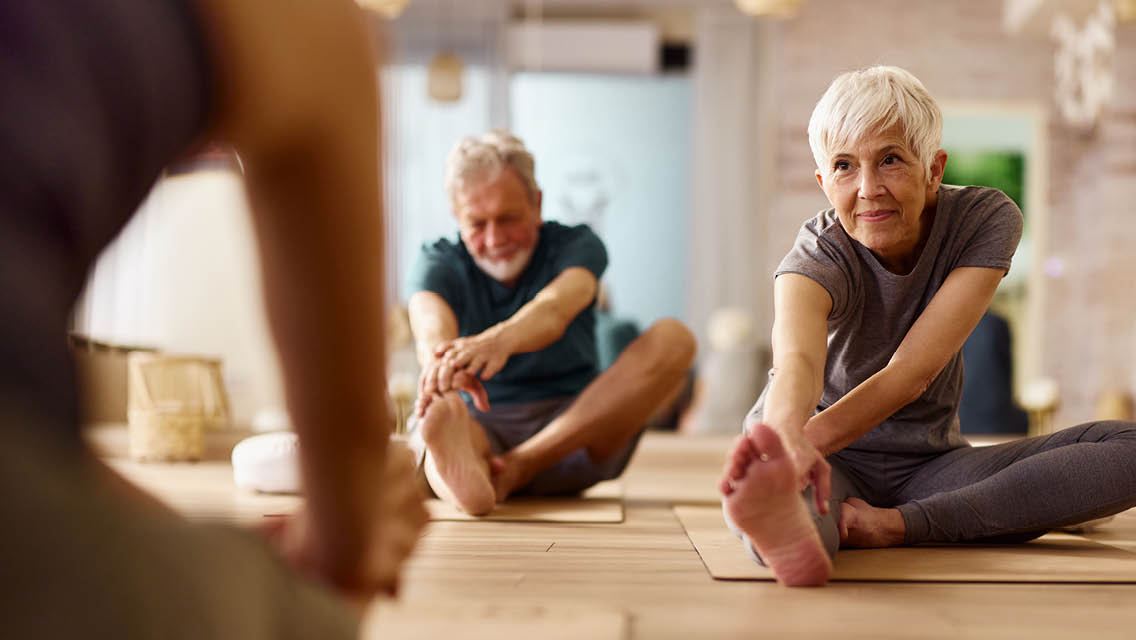
“Training becomes even more important to prevent age-related diseases and maintain [or] regain not only high levels of endurance fitness but also functional capacities to continue everyday activities. From a health perspective, the combination of endurance training with strength and mobility training — besides healthy diet, sufficient regeneration, and other healthy lifestyle aspects — is a particularly powerful approach to healthy aging and currently more effective [at preventing] age-related diseases, like dementia, heart, or metabolic diseases, than any pills.”

Comments (1)
At 78, I still work out daily. The best equipment? Treadmills. They are safer than outdoor street running. I hold the bars on the front and sides, so I’m balanced and safe from falling. Balance balls are also, of course, great for overall balance.