



The gut microbiome is not the only garden worth tending. The skin has a community of microbes of its own — one as large and diverse as that in your gut.
“The skin and the gut are both massive organs at the interface of self and not-self, and the skin- and gut-associated immune systems are responsible for making decisions around what’s safe and not safe, what to react to or not,” says functional-medicine physician Kara Fitzgerald, ND, IFMCP. “Furthermore, what’s happening on the skin can influence the gut, and what’s happening in the gut can impact the skin.”
The intimate relationship and communication between these organs is called the gut–skin axis. Both can affect the immune system.
The skin is a barrier that repels bad bugs, antigens, toxins, and harmful UV light, Fitzgerald explains. It relies on a thriving microbiome for its integrity.
“If we disrupt that with excessive hygiene or toxins in the lotions and potions we put on, we’re disrupting this living, interacting ecosystem and breaking down that barrier.”
In his book Clean: The New Science of Skin and the Beauty of Doing Less, James Hamblin, MD, explains how bathing temporarily alters the skin microbiome, either by removing some microbes or altering the resources available to them. And that’s not always a good thing.
“Like the microbes that fill our guts, the microbes on our skin rarely cause disease,” he writes. “If anything, they may help protect us from disease.”
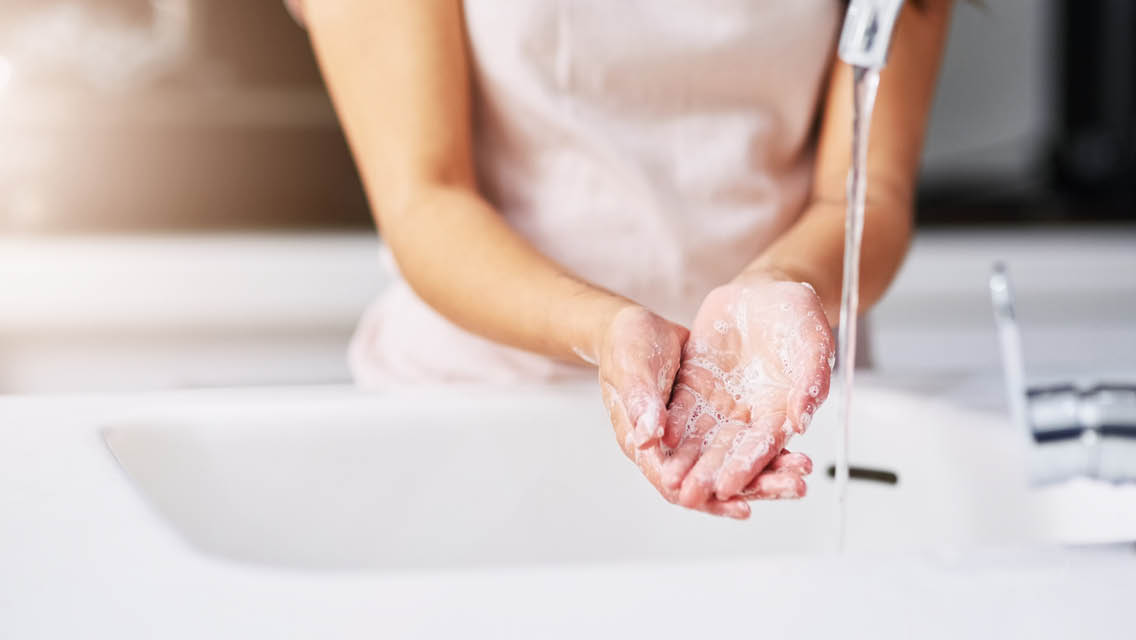
Handwashing is a time-tested strategy for warding off contagious bugs and harmful pathogens. Yet there’s wisdom in not overdoing even this protective measure.
Creating holes in the skin’s microbial garden creates openings for weeds — those less desirable bugs — to take up residence. Along with the excessive use of antibiotics, antibacterial soaps and cleaning products are driving the evolution of “superbugs” — pathogens that can’t be killed by the usual sanitation methods or drugs.
The best routine, says immunology expert Mary Ruebush, PhD, is good old soap and water. “Warm, soapy water is good enough for just about anything you want to clean.”
This was excerpted from “Making Peace with Microbes” which was published in the April 2022 issue of Experience Life magazine.




Comments (0)