



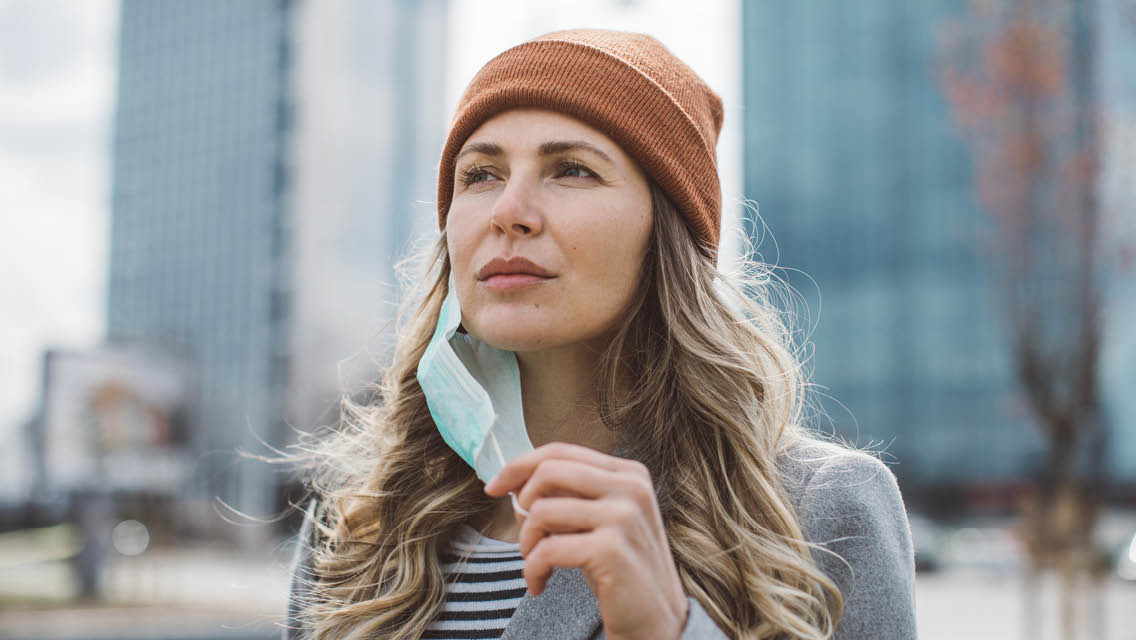
Because COVID-19 has upended so many facets of our lives over the past three years, it should come as no surprise that it has had a lasting impact on our personalities.
That’s what Angelina Sutin, PhD, and her team of researchers concluded after analyzing personality assessments of some 7,100 participants in the Understanding America Study during the “acute” (2020) and “adaptation” (2021–2022) phases of the pandemic and comparing them with prepandemic appraisals.
Focusing on five personality traits (neuroticism, extroversion, openness, agreeableness, and conscientiousness) during COVID’s spread, Sutin’s team tracked behavioral changes to determine to what extent this stressful global event could alter a person’s personality.
What they learned suggests people adapt at varying rates:
- Older adults reported feeling less neurotic (defined in the study as a tendency to experience negative emotions and vulnerability to stress) during the early phase of the pandemic before returning to prepandemic levels as the crisis wore on.
- Younger participants, on the other hand, reported increasing levels of neuroticism as time went on as well as declining levels of agreeableness and conscientiousness.
- Overall, study participants gradually became less agreeable, conscientious, extroverted, and open to new points of view.
“Current evidence suggests the slight decrease in neuroticism early in the pandemic was short-lived, and detrimental changes in the other traits emerged over time,” Sutin writes in the journal PLOS ONE. “If these changes are enduring, this evidence suggests population-wide stressful events can slightly bend the trajectory of personality, especially in younger adults.”
It’s during young adulthood that personality tends to develop and consolidate, eventually leading to “greater maturity in the form of declines in neuroticism and increases in agreeableness and conscientiousness,” Sutin explains. “Over a year into the pandemic, however, young adults show the opposite of this development trend.”
This article originally appeared as “Making the Connection: The Pandemic & Altered Personalities” in the May 2023 issue of Experience Life.




Comments (0)