




Skip to content

Get Experience Life delivered to your door

Experience Life
Delivered every two months

Real Health. No Hype.

More than 600,000 subscribers trust us to keep them informed, inspired, and authentically healthy. Join them.

Can Food Reactivity Be Healed?

Many food sensitivities can resolve over time — as long as the gut has a chance to heal and foods are reintroduced slowly.

supplements next to a glass of milk

Various strategies have been employed to curb intolerances, sensitivities, and even many allergies.

Providing the digestive enzyme the body is missing can help ease intolerances, says naturopathic doctor Sara Jean Barrett, ND, a holistic and functional-medicine practitioner in Minneapolis. Two over-the-counter options are Lactaid, which offers the lactase enzyme to break down lactose in dairy products; and Beano (alpha-galactosidase), an enzyme that digests galactose, a simple sugar found in beans, broccoli, cruciferous vegetables, and some grains.

“Sometimes we can figure out why someone isn’t making an enzyme and work on that too,” she adds.

Many sensitivities can be healed over time.

Many sensitivities can be healed over time. “If you can avoid the food long enough and do enough gut healing, you can slowly reintroduce the food and not have the same immune reaction,” Barrett explains.

Healing a leaky gut can have a profound effect on improving symptoms such as migraines or IBS. “Then over time, people can often reintroduce foods in moderation or in rotation,” says naturopath Dan Lukaczer, ND, director of medical education at the Institute for Functional Medicine.

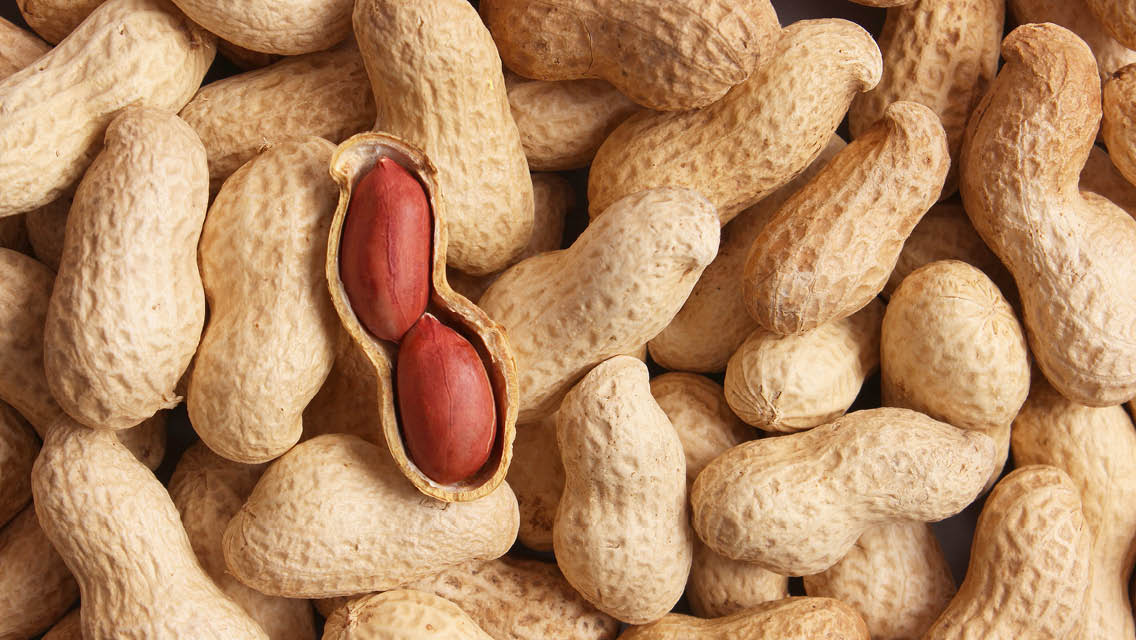
Not all food allergies can be resolved — and when anaphylaxis is a potential, it often feels too risky to experiment. But Gupta notes that we now have the first FDA-approved oral immunotherapy (OIT) for peanut allergies in children. OIT trials for other foods are showing promise, and clinical trials are under way for epicutaneous and sublingual immunotherapy options for food allergies.

Additionally, researchers are studying biologics as combination and standalone therapy. (Make sure to discuss treatment options with your allergist.)

That’s hopeful news for people struggling with life-threatening allergies, for whom the worry of accidentally eating the problem food is ever-present.

This was excerpted from “Making Sense of Food Allergies” which was published in the May 2022 issue of Experience Life magazine.


Mo Perry is an Experience Life contributing editor.

Share

Discover more from Life Time

Various strategies have been employed to curb intolerances, sensitivities, and even many allergies.

Providing the digestive enzyme the body is missing can help ease intolerances, says naturopathic doctor Sara Jean Barrett, ND, a holistic and functional-medicine practitioner in Minneapolis. Two over-the-counter options are Lactaid, which offers the lactase enzyme to break down lactose in dairy products; and Beano (alpha-galactosidase), an enzyme that digests galactose, a simple sugar found in beans, broccoli, cruciferous vegetables, and some grains.

“Sometimes we can figure out why someone isn’t making an enzyme and work on that too,” she adds.

Many sensitivities can be healed over time.

Many sensitivities can be healed over time. “If you can avoid the food long enough and do enough gut healing, you can slowly reintroduce the food and not have the same immune reaction,” Barrett explains.

Healing a leaky gut can have a profound effect on improving symptoms such as migraines or IBS. “Then over time, people can often reintroduce foods in moderation or in rotation,” says naturopath Dan Lukaczer, ND, director of medical education at the Institute for Functional Medicine.

Not all food allergies can be resolved — and when anaphylaxis is a potential, it often feels too risky to experiment. But Gupta notes that we now have the first FDA-approved oral immunotherapy (OIT) for peanut allergies in children. OIT trials for other foods are showing promise, and clinical trials are under way for epicutaneous and sublingual immunotherapy options for food allergies.

Additionally, researchers are studying biologics as combination and standalone therapy. (Make sure to discuss treatment options with your allergist.)

That’s hopeful news for people struggling with life-threatening allergies, for whom the worry of accidentally eating the problem food is ever-present.

This was excerpted from “Making Sense of Food Allergies” which was published in the May 2022 issue of Experience Life magazine.
More like this

Is Food Reactivity On the Rise?

Yes. The most common allergenic foods are peanuts, milk, shellfish, tree nuts, eggs, finfish, wheat, soy, and sesame.
By Mo Perry

What Chronic Conditions Might be Exacerbated by Food Reactivity?

Food sensitivities can make chronic conditions, such as Crohn's disease, IBS, and ulcerative colitis worse.
By Mo Perry

Share a thought

0 Comments

Comments (0)

Leave a Reply

Your email address will not be published. Required fields are marked *

Keep the conversation going

Leave a comment, ask a question, or see what others are talking about in the Life Time Health Facebook group.

Facebook Group

Advertisement

Back To Top