


Continuing to move your body is one of the best things you can do for your health as you age. Regular exercise supports strength, balance, and mobility, helping you stay active and continue doing the things that matter most. But there’s another piece of the equation that often gets overlooked: recovery.
Our bodies inevitably change as we get older, often in ways that make recovering from everyday activity and physical stressors more challenging. Soft tissues like muscles, tendons, and fascia gradually lose water content and elasticity, which means they don’t bounce back from activity or prolonged positions as easily as they used to. The nervous system becomes more protective, guarding the joints by reducing their range of motion.
The good news is that stretching, mobility work, and recovery tools can help counter these changes by signaling to the body that it’s safe to move, circulation is flowing, and the nervous system can relax.
Let’s explore six reasons to prioritize recovery with movement and how it can support strength, mobility, and independence in the years to come.
1. Recovery supports everyday mobility.
One of the most common goals I hear from older adults is to improve the ease of daily movement. The areas that matter most for daily function — and that are especially important to support with recovery work — include the following:
- Hip mobility for getting up from a chair, stepping over things, or climbing stairs
- Thoracic extension for posture, deep breathing, and overhead reaching
- Ankle dorsiflexion for balance, walking mechanics, and fall prevention
- Shoulder mobility for reaching a shelf or putting on a coat
- Cervical mobility for driving, looking around, and social engagement
When any of these areas decline due to pain or stiffness, many people start avoiding activities, which can accelerate decline. Regular stretching and recovery work interrupt that cycle by keeping these areas moving to maintain mobility.
2. Recovery can help reduce fall risk.
Falls are the leading cause of injury in older adults, and two of the biggest contributing factors are reduced ankle dorsiflexion and poor balance. Both can be improved through consistent mobility and recovery work.
When the ankle can’t flex far enough forward, the body compensates by shortening stride length and shifting weight backward, which makes stumbles more likely and harder to recover from.
Thoracic extension also plays a role. A rounded upper back shifts your center of gravity forward, reducing the body’s ability to make quick balance corrections. Stretching and recovery tools that address these areas can be protective.
3. Recovery promotes circulation and tissue health.
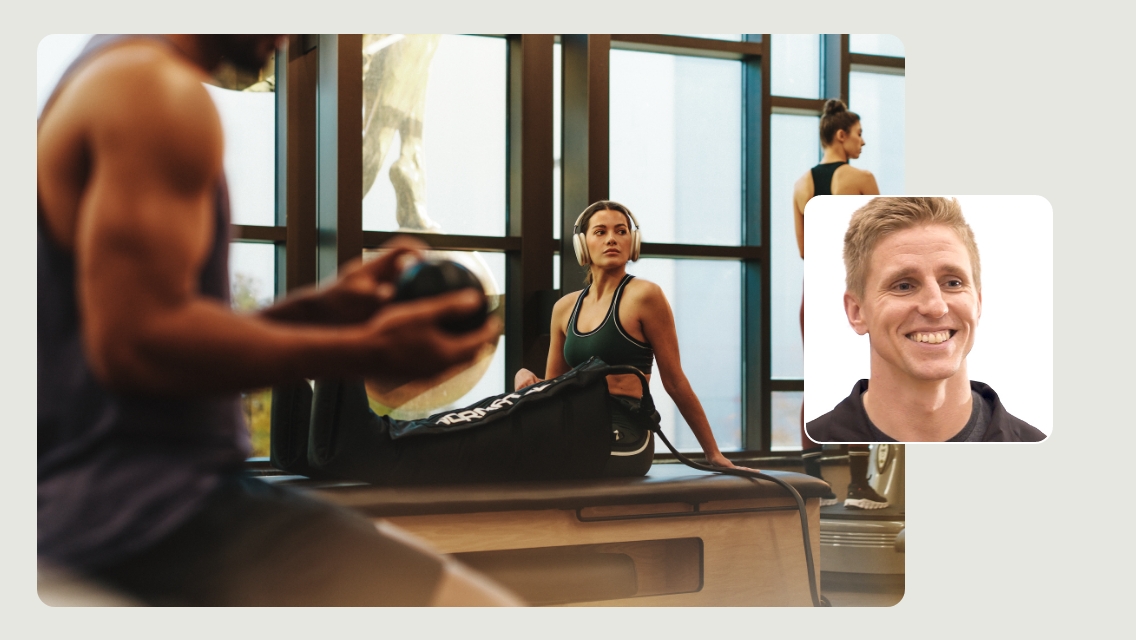
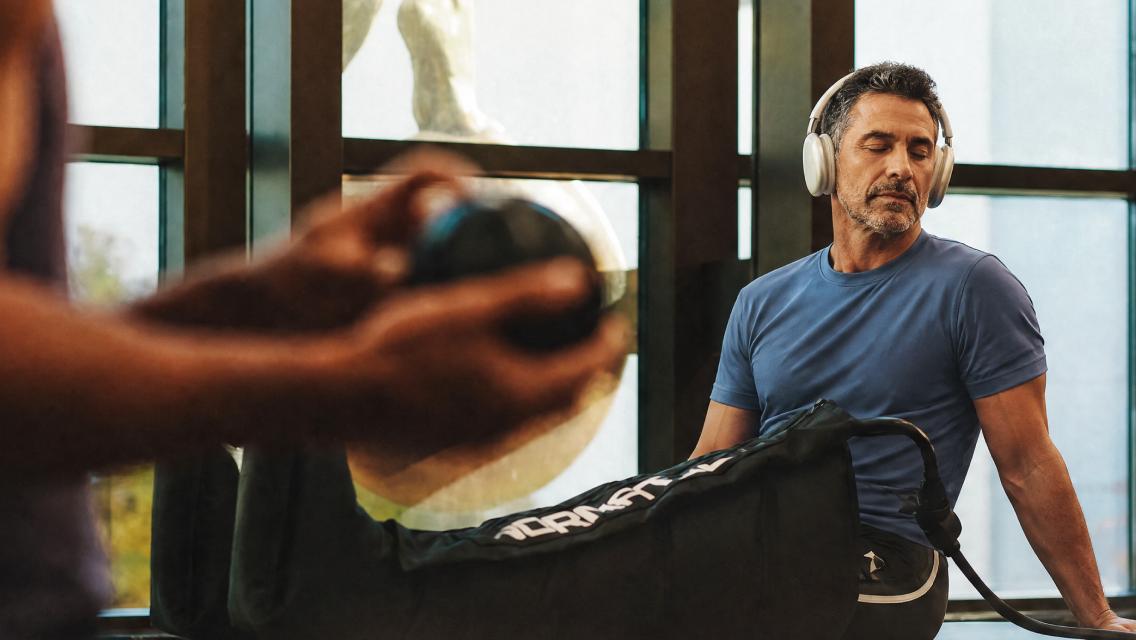
Blood flow naturally decreases with age, particularly in our extremities. Recovery tools like compression systems (think Normatec compression sleeves), vibration devices (like Hyperice), or heat (like the sauna or whirlpool) all support circulation, which can lead to healthier joints and better movement. Compression moves fluid mechanically, vibration stimulates local blood flow, and heat dilates blood vessels.
For someone who spends a lot of time sitting or standing in one position, or who notices heaviness or swelling in their legs, these tools can make a noticeable difference in how the body feels day to day. Improved circulation also supports joint health by delivering nutrients to cartilage and clearing metabolic waste from tissues after activity.
4. Recovery supports nervous system regulation.
Stretching, meditation, and heat, vibration, or compression therapies help activate the parasympathetic nervous system (a.k.a. the body’s “rest and digest” mode). For older adults dealing with chronic stress, poor sleep, or elevated muscle tension, this type of recovery work provides a structured opportunity to downregulate.
Parasympathetic activation can reduce cortisol, lower resting heart rate, and improve sleep quality, all of which have downstream effects on overall health.
5. Recovery helps relieve chronic stiffness and pain.
A lot of the discomfort that people tend to attribute to “just getting older” is actually the result of chronically shortened tissues and elevated neuromuscular tension, both of which respond well to consistent stretching and recovery work.
For example, hip flexors that have shortened from years of prolonged sitting can pull the pelvis forward and compress the lower back, leading to pain. A rounded thoracic spine from hunching over a desk can strain the neck and shoulders. Tight calves from prolonged sitting can alter walking mechanics and create knee discomfort.
Addressing these areas with regular stretching and by using recovery tools can reduce your resting muscle tone (the baseline tension in your muscles) and meaningfully reduce the chronic aches that accumulate over time.
The key word is “consistent” — occasional stretching provides temporary relief, but regular practice creates lasting change.
6. Recovery builds confidence and independence.
Feeling restricted in your body — i.e., you can’t get down to the floor to play with a grandchild, or you avoid certain activities because you’re worried about falling — affects how you see yourself. Recovery and mobility work can help restore physical capabilities and, with them, the confidence to stay active, try new things, and maintain independence. The goal isn’t to perform like a 25-year-old; it’s to feel capable and confident in your body at every stage.
How to Build More Recovery Into Your Routine
If you’re looking to make recovery a more consistent part of your healthy-aging routine, consider these options.
Visit the LT Recovery zone.
The LT Recovery zone (located near the workout floor in many Life Time clubs) features several tools to support your body, including Normatec compression therapy, CryoLounge chairs, and HydroMassage chairs. (Learn more: “How to Use 3 Popular Recovery Tools at Life Time.”)
Foam roll tight areas.
Using a foam roller to iron out hot spots in your fascia can improve circulation and neurological responses in your soft tissues. You can target specific body parts based on your unique needs and reap many of the same benefits as massage. Foam rollers are also available on the workout floor at your Life Time club.
Try assisted stretching.
A personalized session with a Dynamic Stretch specialist can improve your range of motion by targeting the specific restrictions that are unique to your body. The specialist can help bridge the gap between mobility and strength by assessing the root of your movement issues.
Creating your own daily stretch routine is also a great place to start: Try these “5 Daily Stretches for Healthy Aging.”
Add vibration plate work.
A vibration plate’s microvibrations trigger a natural reflex that rapidly cycles your muscles between contracting and relaxing, increasing blood flow and helping your body relax and unwind. Performing movements on the plate encourages your tissues to lengthen more quickly, easily, and safely than traditional floor stretching. (Try these “4 Vibration Plate Stretches to Relieve Muscle Tightness and Inflammation.”)
Incorporate contrast therapy.
Also known as hot and cold therapy, contrast therapy involves exposing your body to alternating hot and cold temperatures (in a sauna and cold plunge, for example).
Alternating between these extremes can increase blood flow, rejuvenating the muscles. Heat helps open blood vessels, while cold causes them to constrict; this process helps deliver more nutrients throughout the body.
If you have a heart condition, high blood pressure, diabetes, neuropathy, circulation problems, or take medications that affect how you handle heat or cold, talk with your healthcare provider before trying contrast therapy. (Learn more: “Expert Answers: How Do I Perform Contrast Therapy for Improved Recovery?”)
Consider making massage part of your routine.
Regular massage offers many recovery benefits, including reduced tension and soreness and improved blood flow. While many view massage as a luxury, it can be an investment in your health and wellness, helping you move with less pain and more ease. (Learn more: “Why Massage?”)