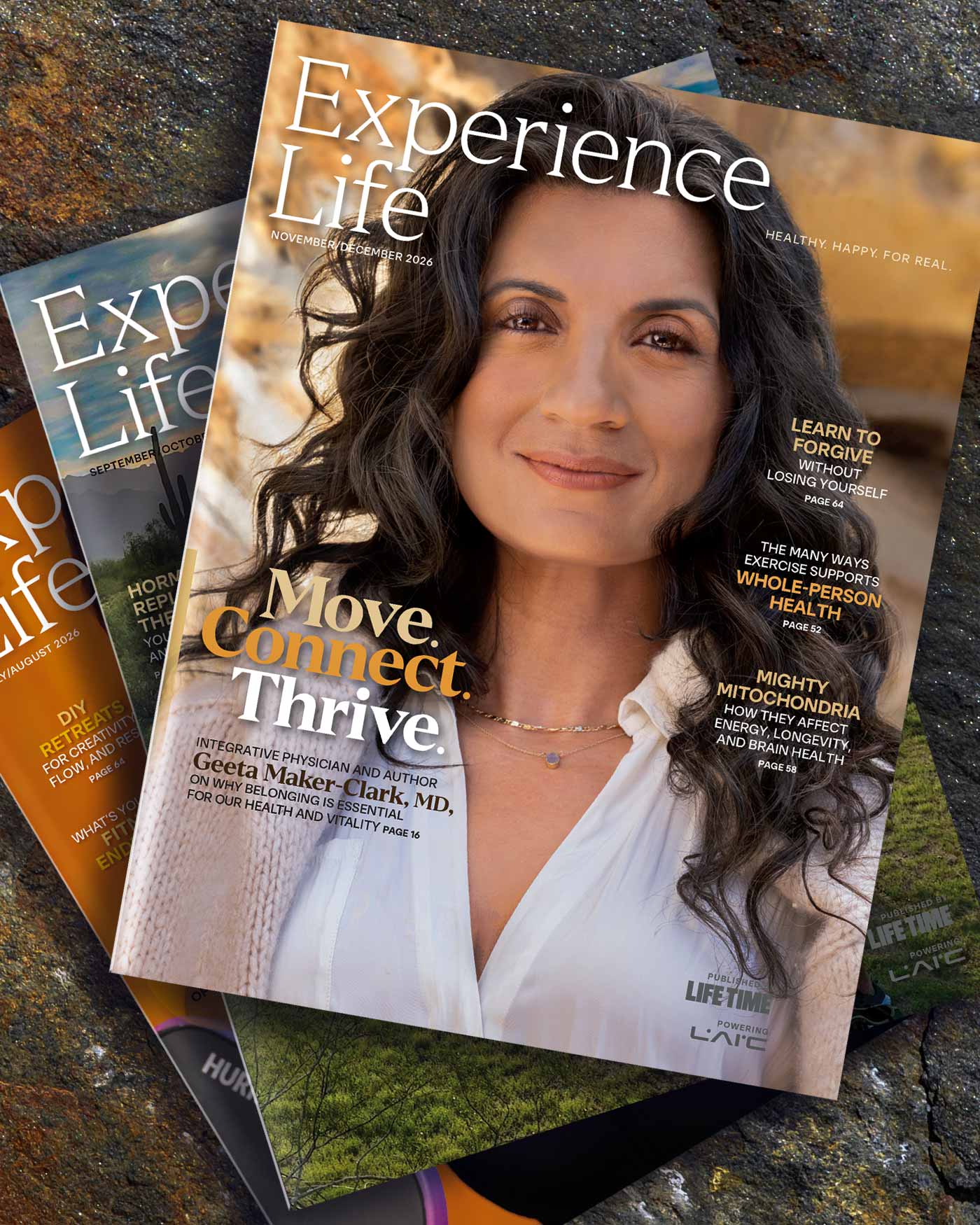


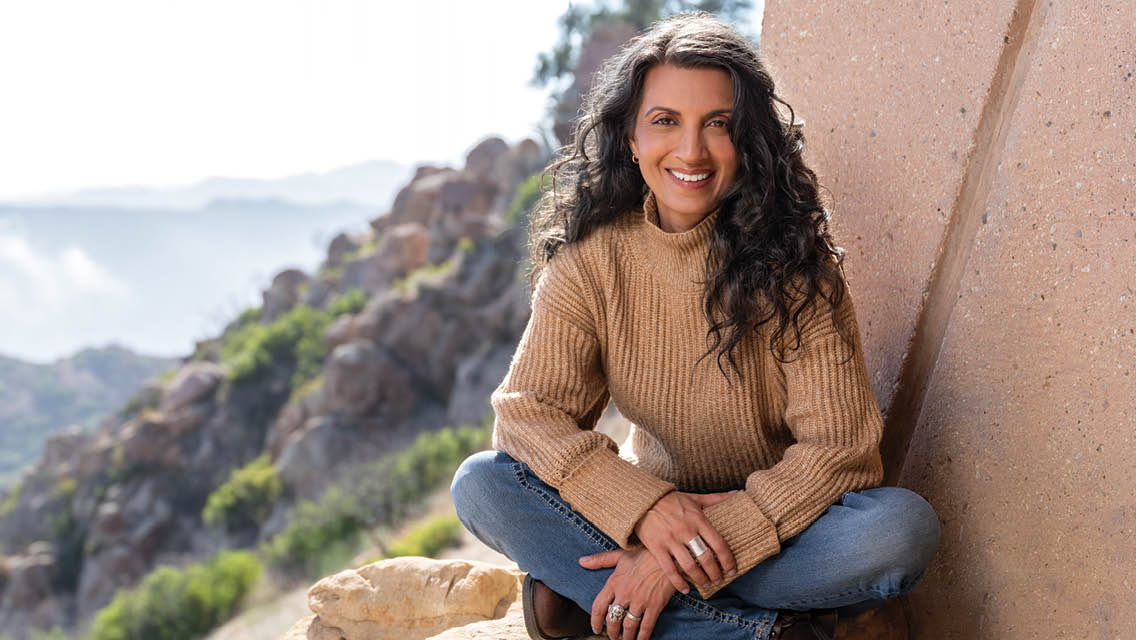
“What if vitality isn’t something we prescribe, but something we practice?” Integrative physician Geeta Maker-Clark, MD, posed this question to hundreds of her fellow practitioners in her opening keynote presentation at the 2026 Institute for Functional Medicine’s Annual International Conference.
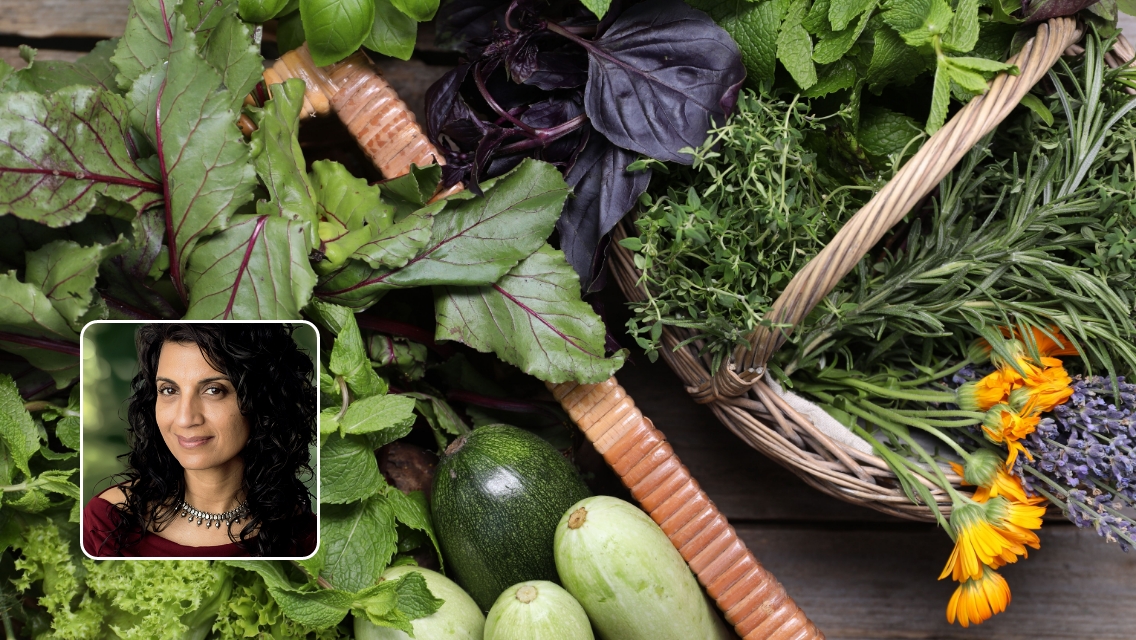
The longtime family physician went on to describe the limitations of traditional healthcare models — short clinic visits, diagnostics, treatments, prescriptions — as well as the potential of the free, everyday medicines that can also strongly influence patients’ health and well-being. Think spending time in nature; having access to healthy food and healing plants; connecting, serving, and building trust with our communities; moving in joyful ways; and practicing gratitude.
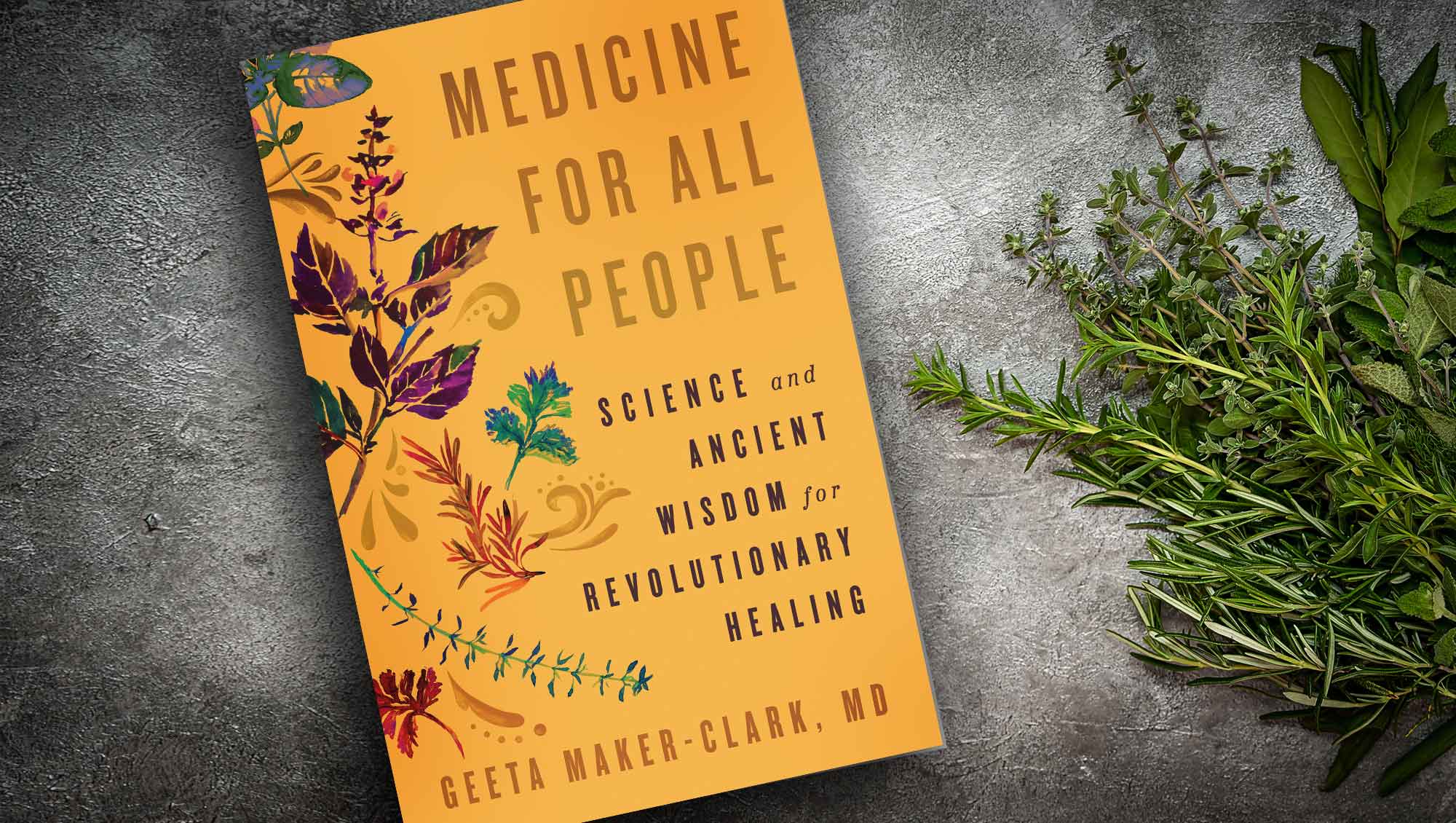
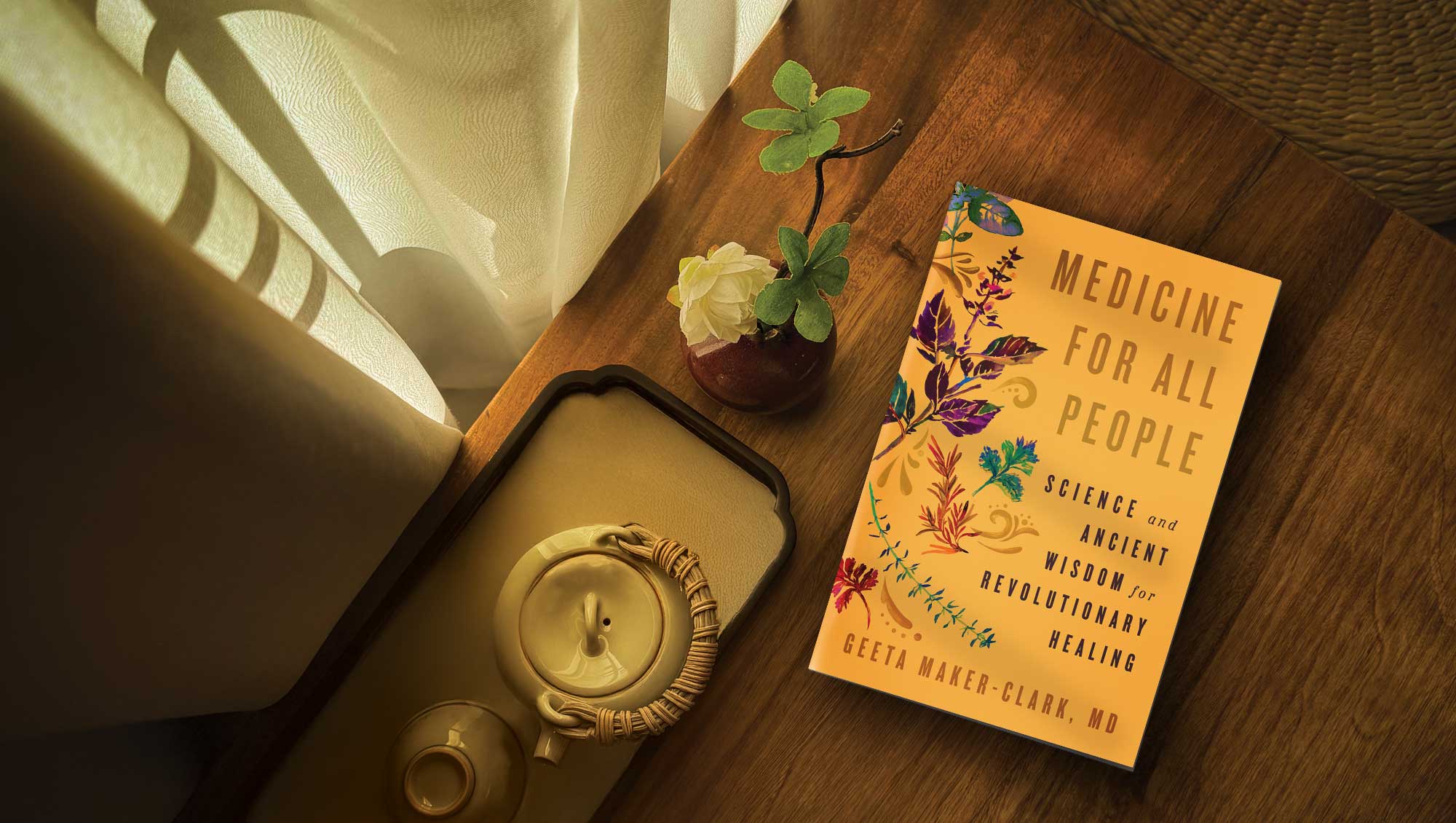
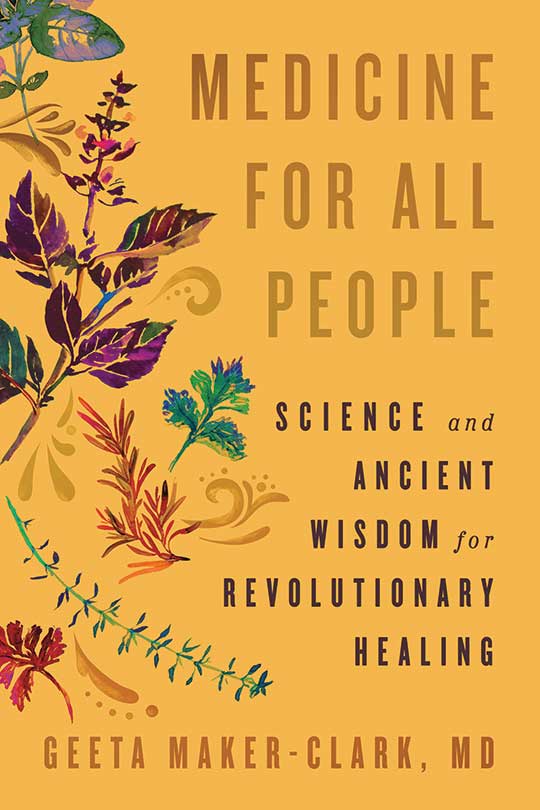 Maker-Clark delves into these medicines, which she calls “remembrances,” in her new book, Medicine for All People: Science and Ancient Wisdom for Revolutionary Healing. “We can change the paradigm of what we believe medicine to be and restore it to what it truly is — a healing force,” she writes. “The way forward begins not in products or quick fixes, but in reclaiming the simple medicines that have always been with us: nourishment, story, belonging, and love.”
Belonging and meaningful connections have proved to be central elements for real health across the populations Maker-Clark has worked with over the past 25 years. “Humans are healthiest when using the power of community and the natural world around us to thrive,” she writes. “In that circle of belonging, the body softens, the nervous system exhales. We move from the edge of survival — fight, flight, or freeze — into the quiet work of rest, digestion, and repair.”
It’s this interconnectedness that inspired Maker-Clark to share her experiences, together with the data and insights she’s gathered along the way. “The book is really a love letter to humanity,” she explains. “It reminded me of what matters to me, to my community, to my patients. And if there’s just one thing I would want people to take away from it, it’s to remember that many of the medicines they need are already within reach and are effective and ancient.
“If we can expand our idea of what a medicine is, we can better understand that health is not something that we build by ourselves. Rather, we can create a healthy society together, like a mycelium network underneath the forest floor. Medicines are all around us.”
Q&A
With Geeta Maker-Clark
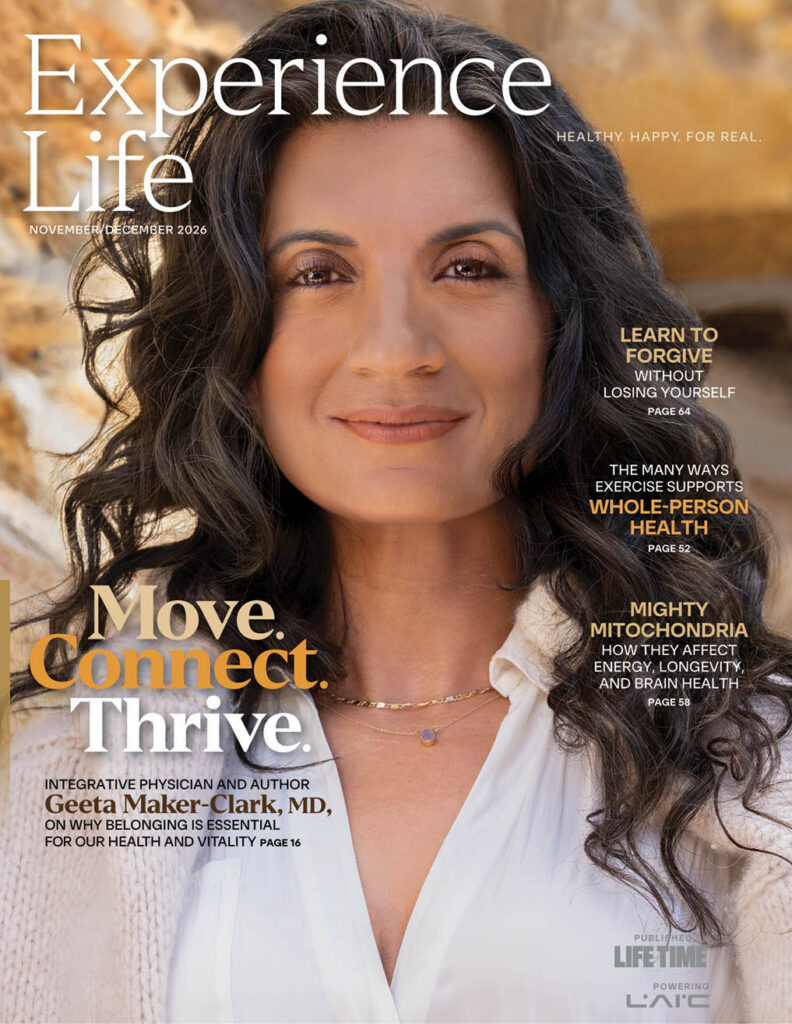
Experience Life | How has your definition of being a healer changed as you’ve done this work?
Geeta Maker-Clark | When I entered medicine, I thought real healing was going to happen more in exam rooms, in hospitals, and in the OR. But I noticed over time that my medical training had not fully prepared me for the complex care of human beings in their daily lives; my community service prepared me much better for that.
The most powerful influences on my patients’ health had very little to do with what was happening in the 30 minutes we saw each other in the clinic. They were shaped by much larger forces — whether they had access to healthy food, whether they were safe in their neighborhoods, whether they had meaningful relationships, whether they felt connected to their culture and their families, whether they had time to rest or move or celebrate or feel a sense of belonging.
I started to understand that healing was much bigger than anything I could be taught in school and began widening my lens to help people create conditions in which they could thrive.
EL | What if someone has never experienced health as something that happens outside of a medical setting?
GMC | I want people to know that health isn’t something that happens to us, or that we either get to have or not have. It is something we participate in every single day. So the choices we make matter.
Equally important are the conditions in which we’re making those choices. The burden is not entirely on us to be healthy. Yes, we each have a role in caring for our own health, but healing cannot be placed on individuals alone. We also have to care for one another, build supportive communities, and create policies that make healthy choices actually possible for everyone.
Right now, we’re focused on individuals holding all the responsibility for their care. It’s OK to ask for help, and need help, and to know that we will actually be healthier for doing so.
EL | Even with all the resources available to help keep us healthy, there’s still a vitality gap. What’s driving this?
GMC | We’ve become very skilled at treating disease, but we’re less skilled at cultivating health. We have more health information and interventions than ever before, with apps, trackers, and supplements. But even my most proactive patients are my most exhausted, disconnected, overwhelmed, anxious ones. The problem isn’t a lack of information. It’s that the conditions that support vitality are eroding, and they have been for a while.
We spend less time in community, less time outdoors, less time playing and dancing and preparing meals together, less time in ritual. There’s more chronic stress and more social isolation; economic insecurity and digital overload have become increasingly common.
Vitality can’t be downloaded or purchased. It emerges from daily, ordinary practices that support our flourishing. We can narrow that gap quickly if we start to work on cultivating health rather than treating disease. The good news is these medicines are all around us. The challenge comes in remembering them and making space for them in our lives.
EL | What does it look like when an individual’s conditions are working against their health before they can start making choices for themselves?
GMC | It looks like someone trying to be healthy while the world around them keeps making that harder. It can look like a person being told to “eat better” when they live in a neighborhood without affordable, fresh food. It can look like being told to “reduce stress” while working two jobs, caring for family, and living without enough rest or safety.
We often talk about health as if we’re all starting from the same point. But most people are navigating enormous barriers before they even make one decision about their health. The questions to ask are: What choices are actually available? What conditions are shaping this person’s body before they ever walk into an exam room?
EL | Talk a little about the importance of community, belonging, and connection in relation to our health.
GMC | It’s an illusion that we’re separate: Health is profoundly relational. We coregulate each other’s nervous systems, we influence one another’s habits, and we shape each other’s opportunities.
Belonging is a deep medicine, not a luxury. It’s an actual biological need. And loneliness is a disease that can reduce the quality and quantity of our lifespan and our healthspan. So if we remember that we’re not meant to do life alone, it can help us get further on our path to health and vitality. The neuroscience research shows that we are wired for connection, that we are herd animals who survive best when in community.
EL | How do you embrace these medicines in your own life?
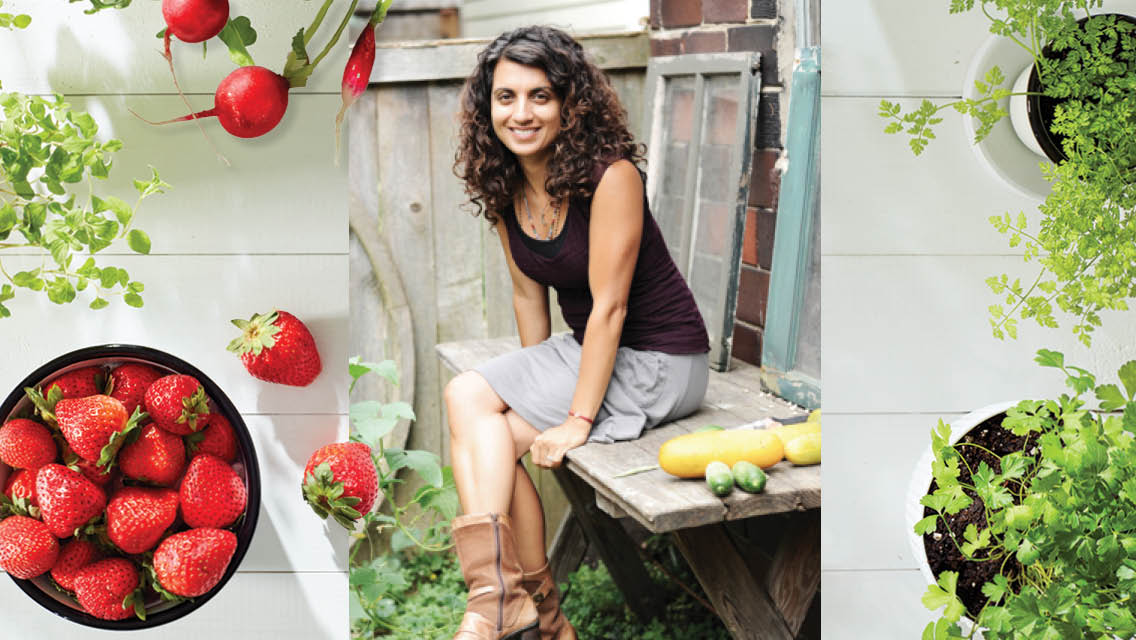
GMC | My medicines are wonderfully ordinary. I spend time in nature, which means walking in the park across from my house. I live beside Lake Michigan. I try to get there every day to set my eyes on the horizon, even when it’s snowing, and it grounds me.
I dance every day — sometimes in classes or with my dance company, but most of the time just for a few minutes by myself. I share meals with people I love whenever I can. I also make time for my friends and family, which often means texting or calling a few different people a few times a day, even if it’s brief. These connections are soul food!
And I serve my community through my medical practice and my Food Is Power initiative.
These practices help me return to myself. They remind me of what matters to me, and that feels like the most important way to feel a sense of vitality and health every day.
Comments (0)