The optimal type and frequency of weight-bearing and resistance exercise for bone health vary depending on life stage.
Adolescents, Teens, and Young Adults
To maximize peak bone mass before age 30, experts say, encourage kids and teens to be involved in sports or at least to be active. “Sports, running, and change of direction [have] a huge impact on bone growth and density in the spine and long bones (those that are longer than they are wide, such as bones in the arms, legs, hands, and feet),” says Mark Schneider, NASM-CPT, ACSM, a strength coach and owner of the Retreat Strength Gym in Minnesota.
Adults
Once you’ve passed peak bone mass, maintaining bone density requires more intentionality — especially since most adults no longer have the built-in activity of school recess and team sports. Strength train at least twice a week, focusing on using challenging and progressively heavier weights over time.
Additionally, make sure most of your weekly cardio is weight-bearing. While walking is beneficial in other ways, it does not provide enough weight-bearing load to stimulate bone cells for most people, says Kavita Patel, DPT, a physical therapist who specializes in bone health and osteoporosis.
She recommends adding brief intervals of skips or hops during your walk to produce a higher-impact bone stimulus. If you can handle higher-impact exercises like plyometrics and running, incorporate them at least one day per week.
Older Adults
High-impact activities may not be appropriate if you have arthritis or joint issues or if you are at a higher fracture risk. But if you haven’t had a spinal fracture and your doctor clears you for moderate-impact exercise, hop to it, advises Patel. Recommendations for impact training include performing up to 50 impacts per day for a minimum of three days per week. These can include heel drops, drop jumps, foot stomps, jumping, hopping, and skipping.
“Three to five sets of 10 to 20 impacts with one to two minutes’ rest in between is recommended,” she says. “Short versus long bouts of impact help keep the bone cells from becoming desensitized to the movement.”
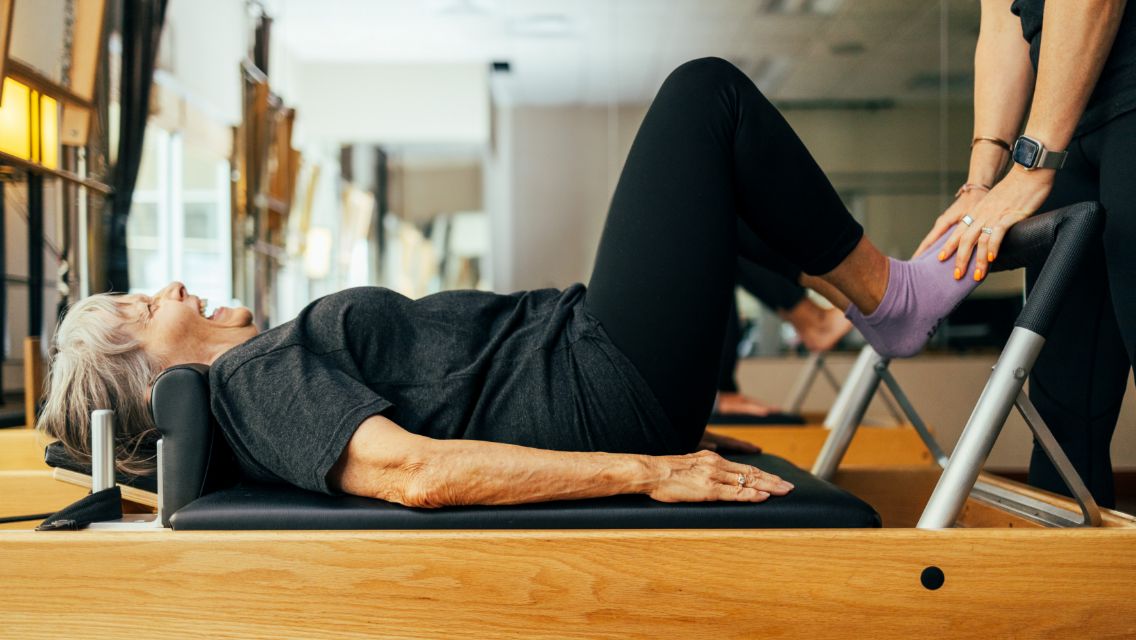
Additionally, do some cardio that includes an appropriate level of impact, depending on your fitness level, most days of the week (Hribick likes hill walking for older adults). And incorporate resistance training twice weekly. Hribick suggests adding one or two days of balance and postural work to prevent falls and keep your spine from rounding, which shifts your center of gravity forward.
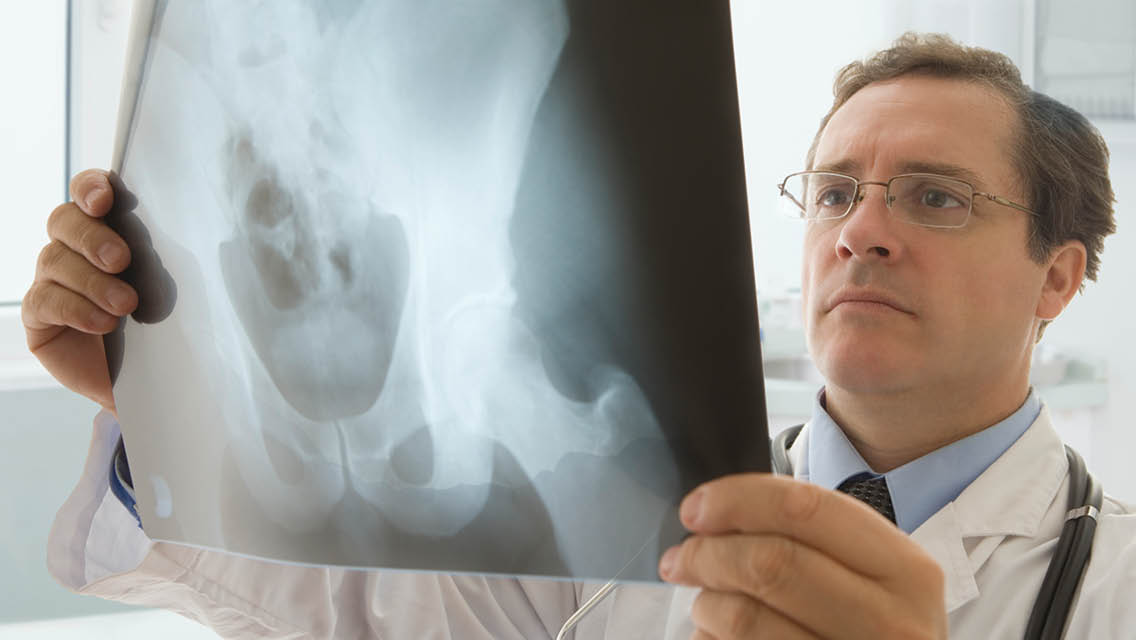
Consult a physical therapist before starting an exercise routine if you have orthopedic issues or arthritis. “They can help customize your workout routine so [you] don’t overdo it or get injured,” he explains.












Comments (0)