

When was the last time you were so immersed in an activity that you lost track of time and nothing else seemed to matter? Psychologist Mihaly Csikszentmihalyi, PhD, called this state of mind “flow.” If you’re feeling a little stuck in life, practices that help you rediscover your flow can help you get unstuck.
Flow occurs during activities that present enough challenge to focus your attention but not so much that you feel overwhelmed. Self-consciousness fades, worries dissolve, and your actions feel effortless. You emerge elated but grounded, often full of ideas and the energy to act on them.
Summer, when creative energy tends to run high, is an ideal time to experiment with finding your flow.
Make this one a solo retreat so you can really lose yourself in your activities.
PREPARE:
Plan a day off and block it out on your calendar. If you share your home with others, choose a date when you can be there alone. Select three activities that you think could bring you into a flow state. They could be practices you already love or something new you’d like to try. Just make sure they appeal to you and present a potential challenge.
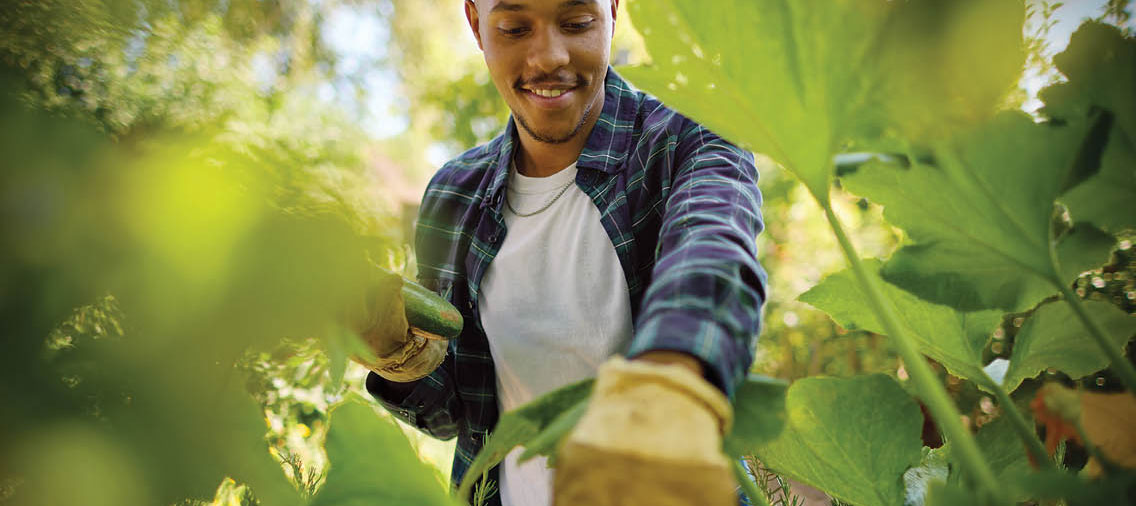
Whatever activities you choose, plan to do as many of them as you can outdoors, where you can reap the benefits of fresh air and natural light. You might weed your garden vigorously, enjoy a silent disco on the beach, hike or bike through the forest or countryside, swim in a river, craft at a table in the sunshine, or read or write in your favorite hammock. The possibilities for flow are endless.
Feel free to choose from this list if you need more inspiration.
- Movement: Dance, Hula-Hoop, walk, run, cycle, skateboard, rock climb, swim, bodyboard, surf, practice yoga or qigong.
- Art and craft: Create a collage, draw, paint, sew, knit, cook a full recipe, garden, write a story or poem, read an immersive book.
- Music and sound: Play an instrument, chant, sing, listen deeply to music you love or music that’s new to you: classical, reggae, Gregorian chant.
- Your child self: You might also try to recall the activities you loved when you were around 9 or 10, just before you reached puberty. At this age, play often involves spontaneous flow.
SCHEDULE:
Lightly schedule your retreat day ahead of time. If you’re new to one of your chosen activities, you might book a class or a lesson with an instructor and build your day around that timing. Stay flexible, allowing time for spontaneous activities afterward. These may include journaling, shaking out your body, or planning something new and exciting that occurred to you during your flow state. Consider this sample schedule.
- Morning ritual: On waking, sit up in bed and take 10 slow, deep breaths, inhaling through your nose and exhaling through your mouth. Let yourself begin your day without rushing.
- Morning: Start with an energizing flow activity, ideally outdoors, such as gardening or hiking, followed by a sustaining breakfast. Rest or move for 20 minutes or so afterward, depending on what your mind and body need.
- Midday: Use the high energy of midday for your primary flow activity, or the one that requires the most time. Again, rest or move for 20 minutes or so after you finish. Allow time to write in a journal or otherwise express yourself, especially if your flow state produces a rush of creative ideas.
- Late afternoon/evening: Use this time for your third flow activity, ideally one that is gentle, relaxing, and creative. Give yourself plenty of time to unwind before bed.
- Evening ritual: Before you go to sleep, reflect on one thing you are grateful for. Relish its energy before you turn out the light.
REFLECT:
At the end of your retreat day, ask yourself a few questions:
- Which activity generated the most energy and creativity?
- Did any of them help you solve a problem with which you’ve been struggling?
- Which of the activities would you do again?
- Know that everyone experiences flow differently, and don’t beat yourself up if you weren’t able to find it on your first retreat.
- This practice can help you decide which activities are most likely to bring you into flow — and which aren’t.
Build Your Own Retreat
Also discover how to create your own refuge for one-day, a weekend, or longer at “How to Curate Your Own Retreat,” from which this article was excerpted.



Comments (0)