



Explore this Article
Do you long to press pause on the stress, digital overload, and general overwhelm of daily life? Throughout much of history, restorative retreats have helped humans cope with life’s demands. And today we need them more than ever.
A retreat is different from a vacation. Although vacations can be restorative, they can also be exhausting, depending on the circumstance. The goal of a retreat is to give yourself a break from the daily hustle and to emerge renewed, with a fresh perspective.
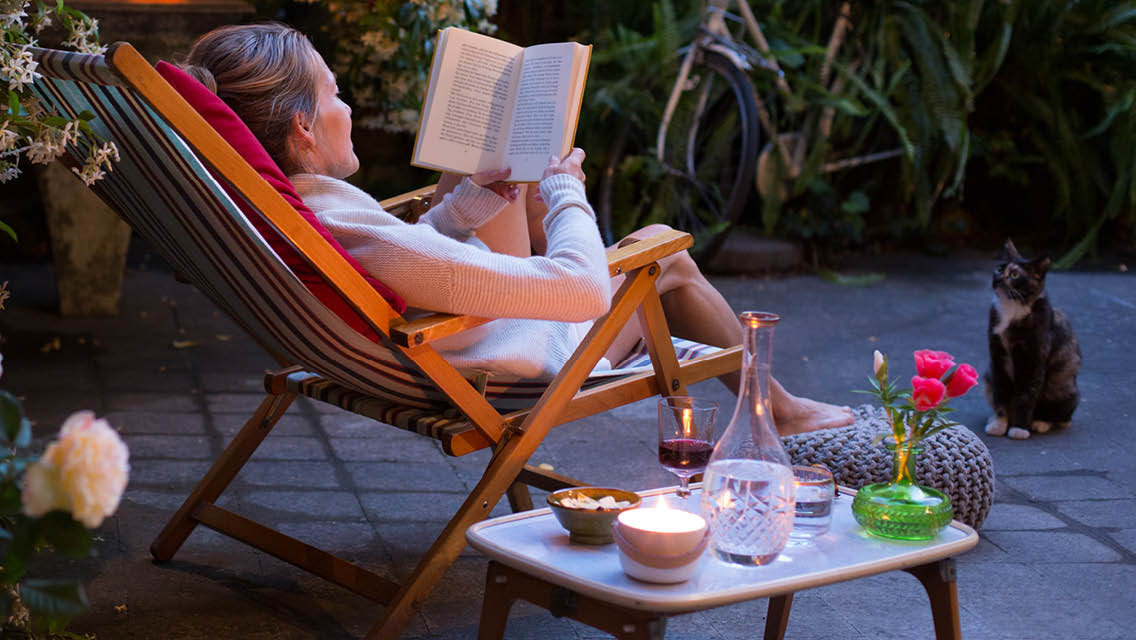
Attending a hosted yoga or meditation retreat is a delicious experience, but you can also retreat by yourself, on your own terms, for an hour, a day, or longer. Retreating doesn’t have to be complicated, time-consuming, or expensive. The only thing you truly need is your own permission to take some time for yourself.
What you seek from your retreat depends on your life stage and situation, and it changes as you change. What you get from it depends on how much of yourself you put into it.
So, banish the excuses and give retreating a try. You may discover that it creates more of the time and energy you long for.
When you’re deciding how to retreat, it can be useful to align the practices you choose with the seasons, each of which offers its own focus.
Spring invites us to cleanse and declutter our body, mind, and space as we emerge from hibernation to greet the world again. Summer’s warmth and expansiveness encourage us to embrace creativity, find our flow, and nurture ourselves with delight. Autumn, with its grounding energy, teaches us to trust ourselves and others, and to reclaim our space and time. This prepares us for winter, when we can settle down, gather resolve, and plan for the coming year.
The following retreat frameworks are designed with the heat and creative energy of summer in mind. They range in length from an hour to a long weekend. Decide how much time you’re able to commit and then choose the template that appeals to you. Follow your instincts, see what resonates, and let go of what does not. This is your time.

The Creative Happy Hour
LENGTH: One Hour
Courageously expressing yourself on a blank piece of paper can be therapeutic, and you don’t need to be artistic or even know how to draw to do so. This is the principle behind art therapy, a playful practice that allows you to observe yourself without judgement, work through inner tensions, and reconnect with what’s important in your life.
This approach can help you release all manner of stress, says art psychotherapist Penelope Orfanoudaki, MA. “Art therapy uses ‘mark making’ to help you connect with yourself and whatever is going on in your world at the moment,” she explains. “You don’t have to be traumatized to do it, just dealing with the stresses of daily life.”
If you have only an hour, do this activity alone to truly focus. With a bit more time, this can be a fun, connecting activity to do with a trusted friend or partner.
PREPARE:
Gather some large, plain white sheets of paper, a pencil, and some colors of your choice. Colored pens or pencils are fine, as are different kinds of paints or pastels. Find a quiet, private, comfortable space. Place a treasured object or something from nature nearby to remind yourself that you’re on retreat.
CHOOSE:
Decide whether you’d like to draw a circle, a line, or three dots. If you draw a circle, imagine it as part of an image, and complete the image. If you draw a line, imagine it as a connector or separator in an image, and complete that image. If you make three dots, connect them in any way you want to complete the image.
CREATE:
Start immediately, without a plan. Let go of perfectionism. Be playful. As you draw, you get to decide the size of your circle or the length and shape of your lines and where they are placed on the paper. Color and embellish your image.
OBSERVE:
In the last 10 minutes of your hour, look at your image. What do you see? How does it make you feel? Why do you think you chose that color or made that shape? Write down your thoughts in a journal or on a separate piece of paper. Don’t judge yourself; there is no right or wrong. Give your artwork a title, then set it aside and get on with your day.
REFLECT:
Allow your creation and its title to percolate in your mind during the hours that follow. Has it provided any insights? What might your creation, or your feelings about it, say about how you’re doing? Has it prompted you to consider any changes you might need to make in your life today? If you wish, share your discoveries with someone you trust.
The 24-Hour Flow
LENGTH: One Day
When was the last time you were so immersed in an activity that you lost track of time and nothing else seemed to matter? Psychologist Mihaly Csikszentmihalyi, PhD, called this state of mind “flow.” If you’re feeling a little stuck in life, practices that help you rediscover your flow can help you get unstuck.
Flow occurs during activities that present enough challenge to focus your attention but not so much that you feel overwhelmed. Self-consciousness fades, worries dissolve, and your actions feel effortless. You emerge elated but grounded, often full of ideas and the energy to act on them.
Summer, when creative energy tends to run high, is an ideal time to experiment with finding your flow.
Make this one a solo retreat so you can really lose yourself in your activities.
PREPARE:
Plan a day off and block it out on your calendar. If you share your home with others, choose a date when you can be there alone. Select three activities that you think could bring you into a flow state. They could be practices you already love or something new you’d like to try. Just make sure they appeal to you and present a potential challenge.
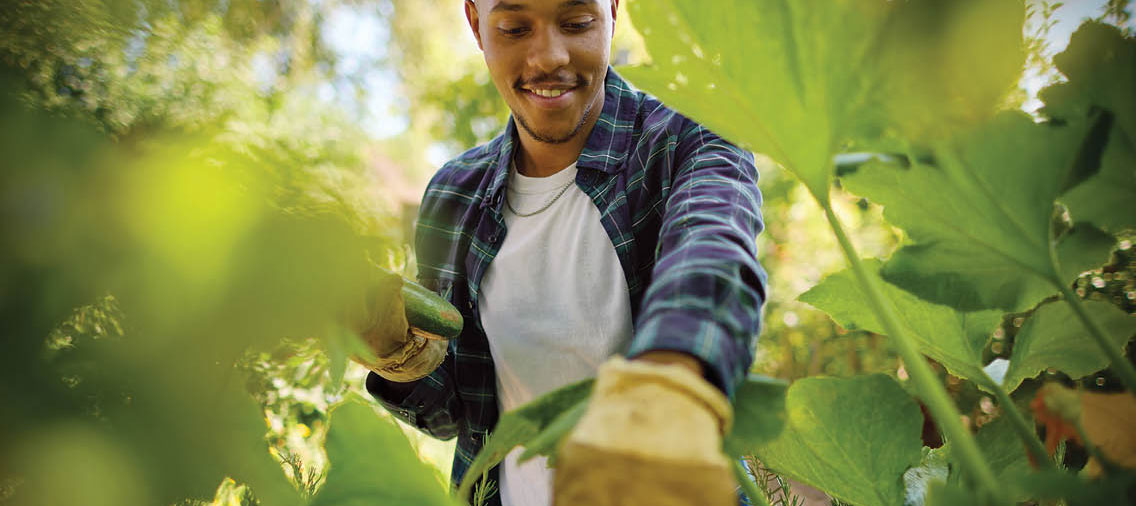
Whatever activities you choose, plan to do as many of them as you can outdoors, where you can reap the benefits of fresh air and natural light. You might weed your garden vigorously, enjoy a silent disco on the beach, hike or bike through the forest or countryside, swim in a river, craft at a table in the sunshine, or read or write in your favorite hammock. The possibilities for flow are endless.
Feel free to choose from this list if you need more inspiration.
- Movement: Dance, Hula-Hoop, walk, run, cycle, skateboard, rock climb, swim, bodyboard, surf, practice yoga or qigong.
- Art and craft: Create a collage, draw, paint, sew, knit, cook a full recipe, garden, write a story or poem, read an immersive book.
- Music and sound: Play an instrument, chant, sing, listen deeply to music you love or music that’s new to you: classical, reggae, Gregorian chant.
- Your child self: You might also try to recall the activities you loved when you were around 9 or 10, just before you reached puberty. At this age, play often involves spontaneous flow.
SCHEDULE:
Lightly schedule your retreat day ahead of time. If you’re new to one of your chosen activities, you might book a class or a lesson with an instructor and build your day around that timing. Stay flexible, allowing time for spontaneous activities afterward. These may include journaling, shaking out your body, or planning something new and exciting that occurred to you during your flow state. Consider this sample schedule.
- Morning ritual: On waking, sit up in bed and take 10 slow, deep breaths, inhaling through your nose and exhaling through your mouth. Let yourself begin your day without rushing.
- Morning: Start with an energizing flow activity, ideally outdoors, such as gardening or hiking, followed by a sustaining breakfast. Rest or move for 20 minutes or so afterward, depending on what your mind and body need.
- Midday: Use the high energy of midday for your primary flow activity, or the one that requires the most time. Again, rest or move for 20 minutes or so after you finish. Allow time to write in a journal or otherwise express yourself, especially if your flow state produces a rush of creative ideas.
- Late afternoon/evening: Use this time for your third flow activity, ideally one that is gentle, relaxing, and creative. Give yourself plenty of time to unwind before bed.
- Evening ritual: Before you go to sleep, reflect on one thing you are grateful for. Relish its energy before you turn out the light.
REFLECT:
At the end of your retreat day, ask yourself a few questions:
- Which activity generated the most energy and creativity?
- Did any of them help you solve a problem with which you’ve been struggling?
- Which of the activities would you do again?
Know that everyone experiences flow differently, and don’t beat yourself up if you weren’t able to find it on your first retreat. This practice can help you decide which activities are most likely to bring you into flow — and which aren’t.

The Staycation
LENGTH: A Long Weekend (or longer!)
We often pin big hopes on our summer adventures, but the effort involved in researching, booking, packing, and traveling can sometimes outweigh the rewards. To truly rest and regroup, away from the crowds, consider a staycation.
A long weekend is a good start for this retreat, but if you have the time, you could take a week, 10 days, two weeks, or even a whole luxurious month. Lean into the idea of being and eliminate as much of the doing as possible.
Try channeling the animals of hot, dusty regions, such as the desert tortoise or the chuckwalla. They enjoy wonderfully long naps during summer to avoid the extreme heat and drought. Scientists know this process as estivation — summer’s equivalent to hibernation. The season’s expansive heat and long light make it the perfect time to relish idleness.
This retreat is lovely as a solo venture. You could also invite a friend, your partner, or your family to join you at some point in your estivation, for a combination of restorative solo time and restful connection with others.
PREPARE:
Choose your dates, label them “Retreat” on your calendar, then decide ahead of time how you will pepper each day with opportunities to rest, relax, and regroup. Try these ideas.
- Putter: Make the most of being at home, perhaps in comfy pajamas or barefoot, enjoying the feel of floors or grass, drifting from reading in bed to making tea to dabbling in creative projects. Tend to things gently, with quiet, slow rituals. Water a plant or sort fresh laundry with care.
- Bask: Enjoy warmth, water, or wild spaces. Sunbathe safely, take a long walk in nature, do some gardening, spend time in a nearby forest, or swim in a lake or the ocean. End the day by watching the light fade.
- Embrace joy: What makes you feel pure joy? Do more of it each day on this retreat. Put your feet up and listen to your favorite music. Cook, read, draw, craft, paint — or simply daydream in a hammock. Give yourself or a family member a mini facial or foot massage.
- Rest: Each day, mimic the deep-rest environment of a desert cave by lying down somewhere shady and covering yourself with a blanket or shawl. Put cushions under your head and knees to support your spine. You might extend your legs up against a wall (or tree). Cover your eyes with an eye mask or light scarf, and breathe normally for five minutes or more.
- Regulate: Catch up on sleep early in the retreat, indulging in sleep-ins and long naps. Then use your retreat time to reset your body clock, or circadian rhythm. This 24-hour system is guided by a light-sensitive portion of your brain, and it regulates sleep, energy, mood, hormones, and temperature. Ideally, you wake with the sun, fall asleep when it sets, and eat your main meal at midday. To move in this direction, try shifting your bedtimes, waking times, and mealtimes to be just a little earlier each day of your retreat.
SCHEDULE:
After scheduling these retreat days, hold your plan lightly. Allow each day to unfold naturally, without a rigid agenda. Just like the tortoise, you are slowing down and resting, not trying to grow or change. Here’s a sample staycation day.
- Morning ritual: If you’ve been sleep deprived, try sleeping in as long as you need, with no alarm. When you get up, make your bed with care.
- Morning: Shower, dress, and enjoy a sustaining breakfast. Then take time to move outside in nature, perhaps with a long walk or bike ride. Return to read or daydream in your garden, on your porch, or in another comfortable space.
- Afternoon: Make lunch your main meal and prepare it mindfully. After eating, take some time to rest. You might meditate, enjoy a siesta, or simply lie down and breathe. Once you feel restored, you could tend to some small tasks — decluttering a small space like a drawer, washing produce, or doing some light yard work. Let yourself be.
- Evening: Spend time with your journal, observing your thoughts and feelings. Then relish an early, simple meal. Close the day with a mini foot massage. As the daylight fades, you might cocoon under light blankets, sit in your backyard with some herbal tea, stargaze.
- Evening ritual: Give yourself a quiet inner weather report. Close your eyes and notice how you feel inside: Is it a little cloudy, bright and breezy, calm or changeable? Name it gently before you turn out the light.
REFLECT:
A few days after your retreat, ask yourself: What’s one thing I did during my estivation that truly restored me? Once you’ve identified it, try practicing it during the following week to help ease yourself back into your normal routine, whether it’s making daily time for puttering or lying down quietly as soon as you return from work rather than switching on the TV.
Make the Most of a DIY Retreat
Create a space.
Make a haven for retreat time in your home. Use a bedroom, a spare room, or an area in your sitting room, home office, or backyard. You don’t have to spend a lot of money — just focus on adding a little something beautiful, comforting, or meaningful. Often one simple object, such as a colorful flower in a glass vase, can lift a space.
Set an intention.
Unplug.
The quickest, most powerful way to create a nourishing silence and support focus during your retreat is to unplug all electronic devices for the duration. Consider handing off your tech to someone you trust before your retreat starts. If you can’t disengage entirely, choose how and when you will interact with your devices. Avoid scrolling and stick to necessary tasks.
Nourish yourself.
For retreats that last a day or longer, plan your meals and stock your kitchen beforehand. Make brunch or lunch the main meal of the day; according to Ayurvedic philosophy, digestion is strongest at midday. Avoid refined sugar, ultraprocessed foods, and huge meals, as well as alcohol and drugs. Limit caffeine, favor water, and eat all your meals while sitting down.
TIME IS A GIFT. Even a short retreat allows you to step away from the everyday and find space for yourself. You might be surprised by whom you discover there.






Comments (0)