




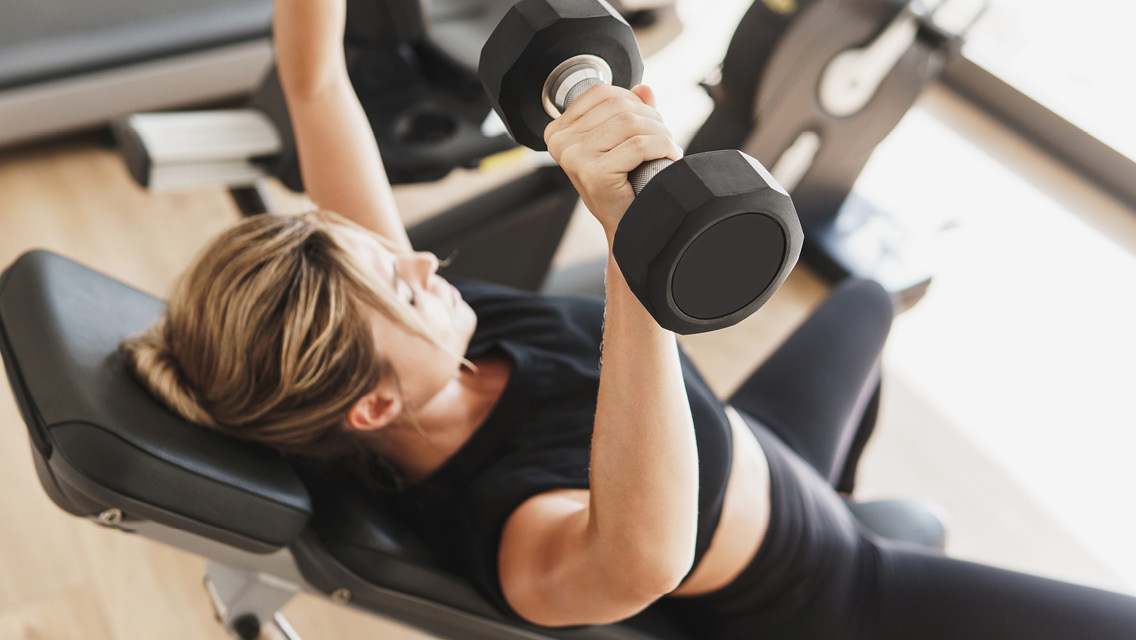
Exercise is vital for building muscle and bone density, improving balance, and preventing falls and fractures. But if you’ve been diagnosed with osteoporosis, you need to take precautions, because the wrong movement can sideline you for months or longer. To stay safe, physical therapist Kavita Patel, DPT, offers some recommendations.
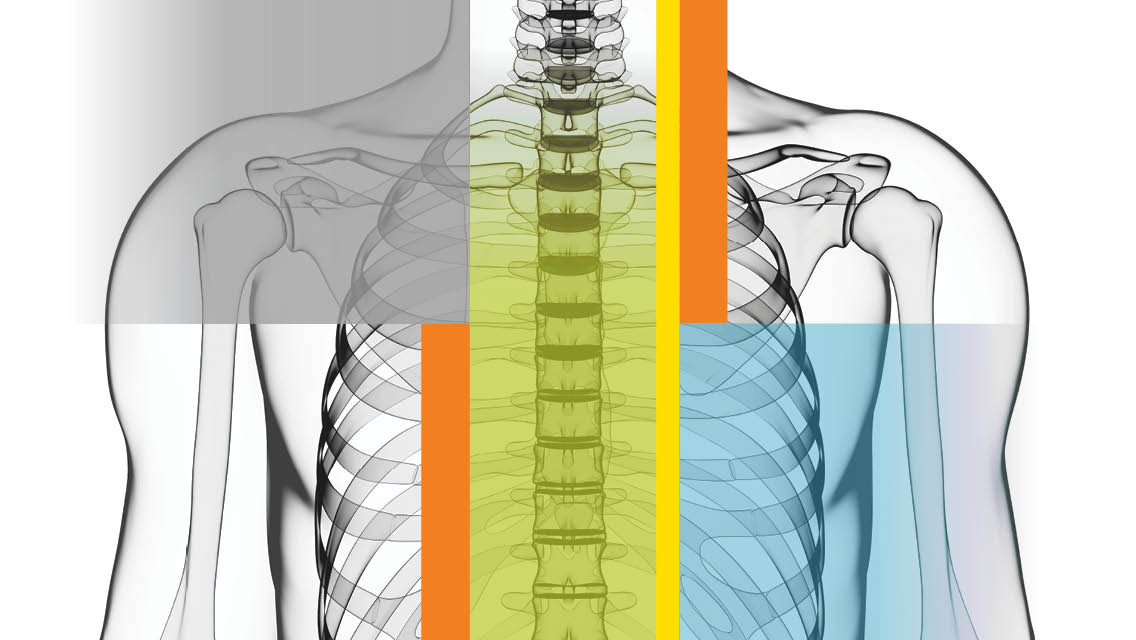
1) Protect your spine during exercise. Activities that place stress on the spine can increase your risk of fracture. If you have bone loss in the spine, limit (or avoid) spine movements that involve rapid, repetitive, sustained, weighted, or end-range twisting or bending. These include crunches, sit-ups, Russian twists, and toe touches. This is particularly important for those with a history of previous spine fractures or very low bone density. (See “How to Strengthen Your Spine” for more.)
2) Ensure proper form from start to finish. It’s important to use proper movement technique not only during exercise but also before and after. “This is when a lot of people get themselves into trouble,” Patel says. “They’re so good at watching their form during the exercise, and once they’re done, they forget — they quickly drop or release the weights by rounding their spine, or twist themselves as they get on and off the equipment.”
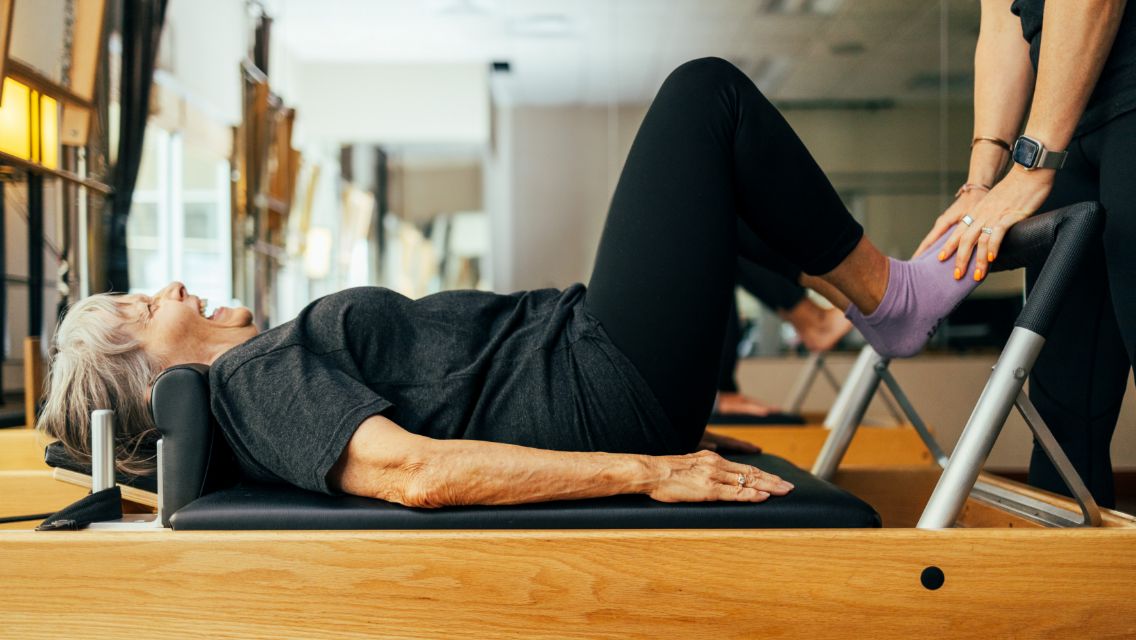
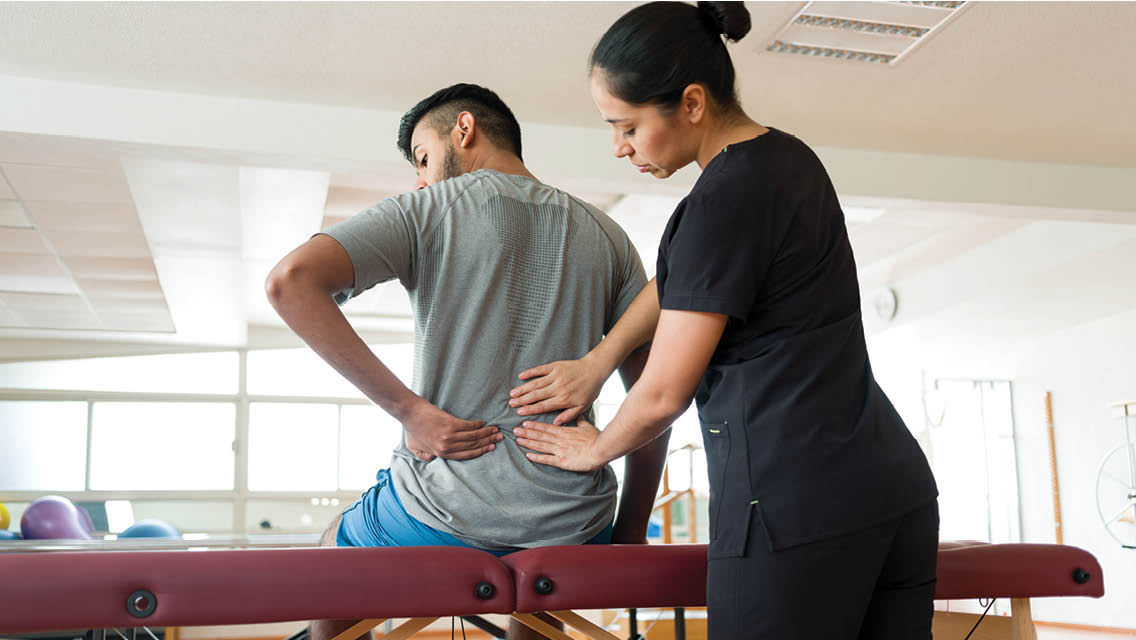
3) Seek supervision. Ideally, you’d work under the supervision of an exercise specialist, physical therapist, or personal trainer familiar with osteoporosis. This person can assess your fracture risk, overall fitness, and other health issues (including fracture history, arthritis, pelvic-floor conditions, and balance impairments) to guide you through the appropriate type and dosage of exercise.
Good Bones
Whether you’re 18 or 80, weight-bearing exercise is critical for building and sustaining healthy bones. Learn how to keep your skeletal structure strong for the long haul at “How Exercise Builds Stronger Bones at Every Age,” from which this article was excerpted.




Comments (0)