



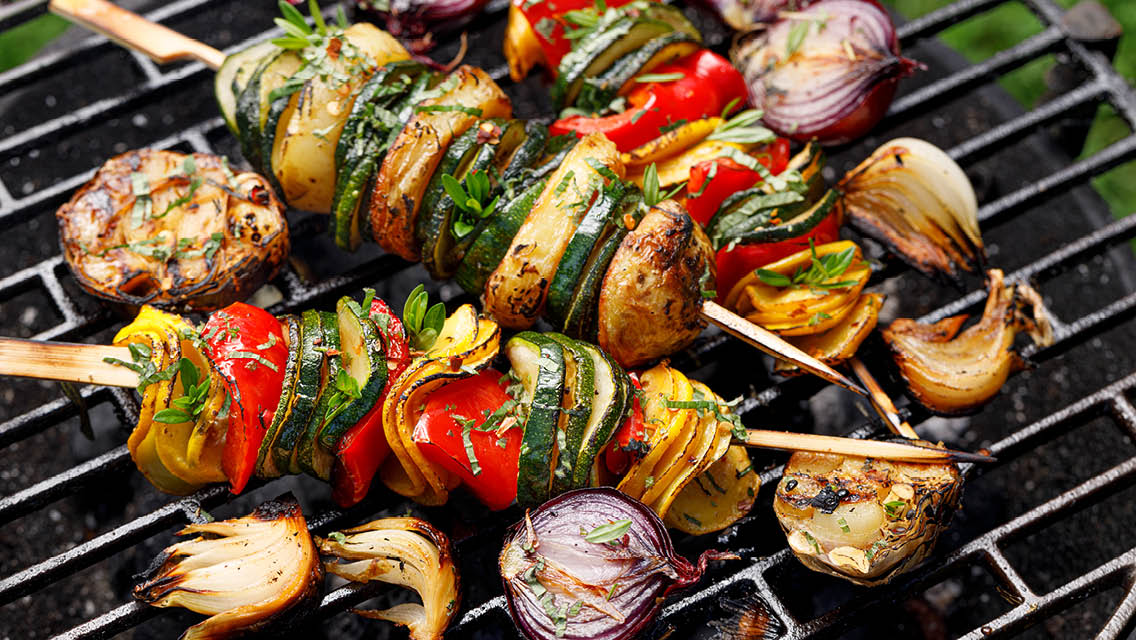
There’s something primal about grilling. The sizzle of the hot grates, the waft of smoke drifting across the backyard, the anticipation of that first juicy bite — it’s a sensory experience that signals summer has arrived.
Alongside the pleasures of cooking over an open flame come persistent questions about health. You may have heard that grilling can produce harmful compounds, or that char on your steak is something to avoid.
These concerns aren’t unfounded. High-heat cooking can generate chemicals called heterocyclic amines (HCAs) and polycyclic aromatic hydrocarbons (PAHs), which have been linked, in laboratory studies, to cancer risk.
Before you retire your tongs, though, it’s worth knowing that the doses used in those studies are typically 100,000 to a million times higher than what you’d encounter at a typical backyard cookout, explains Robert Turesky, BSc, PhD, professor of medicinal chemistry at the University of Minnesota.
He stresses, however, that it’s still important to be mindful of how often you eat well-done meat; moderation can help minimize exposure. “A well-balanced diet that includes plant-based proteins and cruciferous vegetables can further support overall health,” Turesky says.
In other words, grilling isn’t an all-or-nothing proposition. A few technical adjustments can meaningfully reduce your exposure to these compounds while improving flavor. And the same strategies that limit char and flare-ups also produce juicier, more evenly cooked food.
Know the Chemistry
At the center of the healthy grilling debate are HCAs and PAHs, both classified as potential carcinogens. They form in different ways, and understanding the distinction can help you control them.
HCAs develop inside muscle proteins when meat, poultry, or fish is cooked at high temperatures, typically above 300 degrees F. “High temperature catalyzes HCA formation through the reactions of amino acids with carbohydrates and creatine in the muscle,” Turesky explains.
Generally, the hotter the surface and the longer the cook, the more HCAs accumulate. This is why well-done meat tends to contain higher levels than medium or medium-rare preparations.
PAHs, on the other hand, form when fat drips onto flames or hot coals. The resulting smoke carries these compounds up and deposits them onto the food. Flare-ups and prolonged exposure to smoke increase PAH levels, as does cooking close to the flame.
Choose Your Proteins Wisely
Some meats naturally lend themselves to quicker or moderate-heat cooking, producing fewer HCAs and PAHs while still bringing plenty of flavor. In general, red meat produces the highest HCA levels, followed by pork, poultry, and fish, says Turesky.
For beef and pork, lean cuts that cook relatively quickly are your best bet. “The kings of weeknight grilling in my house are pork chops, pork tenderloins, and flank or skirt steak,” says Melissa Cookston, seven-time world barbecue champion and owner of Memphis Barbecue Company, a restaurant in Horn Lake, Miss. “I prefer thinner cuts, as you can imbue them with so much flavor.”
A thin-cut ribeye is another option, she says — just keep it moving and pull it before it chars excessively.
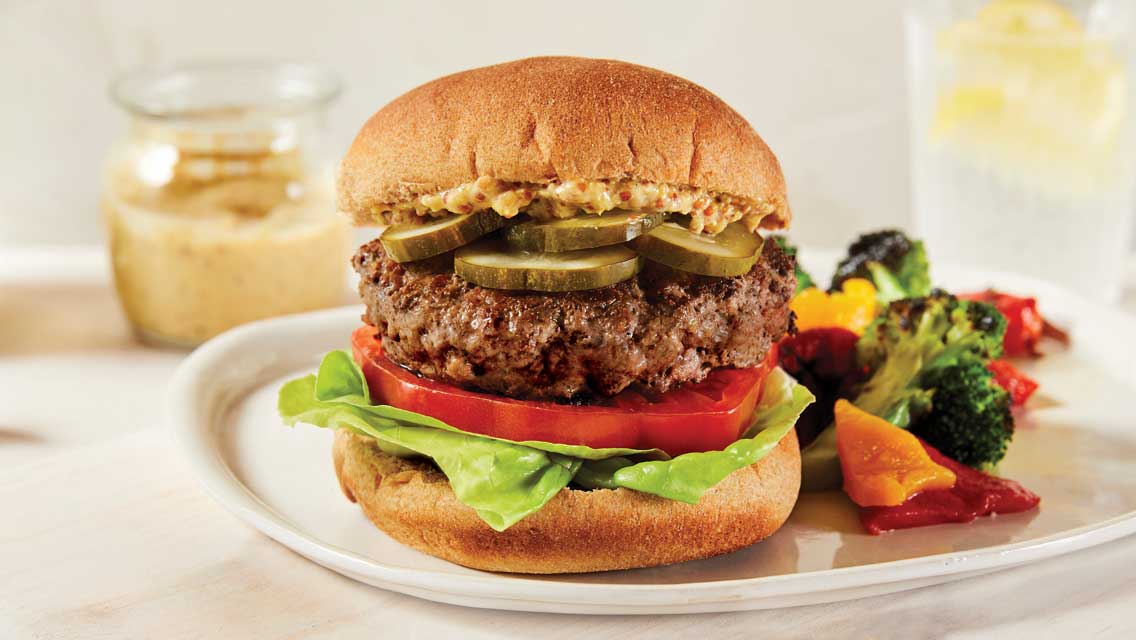
Processed meats like hot dogs, sausages, and brats remain cookout staples for many families. Kellie Blake, RDN, LD, IFNCP, an integrative registered dietitian, suggests treating them as side dishes rather than the stars, grilling them over medium heat, turning them frequently to prevent charring, and balancing the plate with plenty of colorful vegetables and fiber-rich sides. “Small technique shifts can dramatically lower exposure to HCAs and PAHs,” she notes.
“The kings of weeknight grilling in my house are pork chops, pork tenderloins, and flank or skirt steak.”
Chicken thighs stay juicy without requiring high heat, and chicken breasts and turkey tenderloins can cook in minutes when sliced thin or pounded to an even thickness. “Poultry is protein-rich and, when cooked properly, can be a standout option on the grill,” Blake adds. “[It reaches] a safe temperature quickly over moderate heat, which lowers the risk of burning.”
Fish is another good choice. Because it cooks quickly and stays tender over lower heat, it spends less time in the HCA-forming zone. (See “12 Tips for Grilling Fish” for expert tips on grilling fish.)
“Firm fish, such as swordfish or tuna, work well,” says Cookston. Blake suggests salmon and trout for their omega-3 content and natural moisture, which may help prevent charring, especially when using a marinade. Shrimp and scallops need just a few minutes per side, making them ideal for weeknight grilling, she says. (See “12 Tips for Grilling Fish” for more.)
Because plant proteins contain little to no creatine — the compound that reacts with amino acids and sugars to form the most common HCAs — they generate far fewer of these compounds, if any.
This makes plant-based options excellent candidates for grilling, says Blake. She recommends extra-firm tofu and tempeh because they hold up well on the grill, especially when marinated. Portobello mushrooms and cauliflower steaks provide meaty texture and take on a nice smoky flavor, she adds. (Try the recipes at “6 Vegan Grill Recipes.”)
Marinate With Purpose
Marinades do far more than add flavor. When made with the right ingredients, they can significantly reduce HCA formation during grilling.
“Research is pretty clear: When you combine herbs, an acidic base, and a bit of oil, you can cut HCA formation by 60 to 90 percent,” Blake says. “Marinades act like a protective shield, delivering antioxidants that neutralize free radicals and helping prevent fats and proteins from breaking down under intense heat.” This breakdown reduces overall nutritional value while generating more of the compounds you want to avoid.
“Research is pretty clear: When you combine herbs, an acidic base, and a bit of oil, you can cut HCA formation by 60 to 90 percent,.”
Herbs and spices are especially effective at protecting fats and proteins from degrading at high temperatures. Acidic ingredients help tenderize meat and speed up cooking time, meaning food has less of a chance of developing HCAs; healthy fats carry their antioxidant compounds deeper into the meat, enhancing the protective effect.
To build an effective marinade, Blake recommends starting with an acid (citrus juice, vinegar, yogurt); adding a healthy fat (olive oil, avocado oil); then loading up on herbs, garlic, or other alliums. For depth, include an umami component like soy sauce, fish sauce, or Worcestershire. (For more details, see “Marinade Matrix” below.)
Master Your Heat
Ask any pitmaster what separates a good griller from a great one and you’ll likely hear the same answer: heat control. Learning to manage temperature helps reduce harmful compounds — and it’s a foundation for better-tasting food.
The simplest way to gain control is to set up two temperature zones, which gives you a hot side for searing and a cooler side for gentler cooking or resting. “Building a two-zone fire is an easy and effective way to set up your grill for successful cooking,” Cookston explains.
The type of grill also makes a difference. Charcoal grilling creates significantly higher levels of PAHs than gas grilling due to incomplete combustion and more smoke, which deposits compounds onto food.
Gas grills, meanwhile, simplify temperature control, helping reduce HCA formation by avoiding intense, uneven heat and charring.
Regardless of the fuel source, the core principles are to manage heat, minimize flare-ups, and prevent excessive charring.
With a gas grill, Cookston recommends turning one side to medium-high and the other to low or, in the case of smaller grills, off. You can mimic this on a charcoal grill: Rake the lit coals to one side, leaving the other side empty or with just a few briquettes. “On smaller grills, the radiant heat from the hot side should be enough to heat your cooler side to the proper temperature,” Cookston explains.
This setup also solves the issue of flare-ups, one of grilling’s most common frustrations. When fat drips onto flames, it creates the smoke that deposits PAHs onto your food. Rather than trimming away all the fat, which can leave meat dry, Cookston recommends moving food to the cool zone when flare-ups occur. “Using a drip pan directly under the meat is the most effective way to avoid flare-ups,” she adds. “But I usually rely on a two-zone fire and move cuts to the cool side when flare-ups start.”
Keeping the grill lid closed also helps: Every time you open it, oxygen rushes in and can ignite dripping fat. Set up your grill properly, then resist the urge to peek, opening only when it’s time to flip.
If you’re the cook, don’t overlook your own exposure to the smoke and vapors containing the HCAs, PAHs, and other harmful chemicals. “Position the grill so that the smoke and vapors are not blown directly into your face while cooking,” Turesky advises.
Frequent flipping is another smart technique: If you’ve trimmed the excess hard fat (the kind that won’t render and only fuels flare-ups), you can cook with the grill open without igniting dripping fat. This means you can flip the meat more frequently to keep its surface temperature lower, reducing char and HCA formation.
The goal isn’t to eliminate every trace of char; a bit of browning is part of what makes grilled food taste so good. But staying in control means you get flavor — rather than burnt edges and raw centers — where you want it.
Build a Balanced Plate
What’s next to the protein on your plate matters as much as how you cook that protein. A well-constructed plate helps round out the meal nutritionally and can buffer some of the health effects associated with grilled and processed meats.
“The best sides and condiments for a grill plate are the ones that bring vibrant color and plants to the meal,” says Blake. She recommends the following ratio:
- 3–6 ounces lean or omega 3–rich protein
- About 2 cups nonstarchy vegetables (a mix of grilled and fresh works well)
- ½ cup fresh fruit
- ⅓–⅔ cup whole grains or beans
- 1–2 tablespoons nutrient-dense condiment, like sauerkraut or salsa
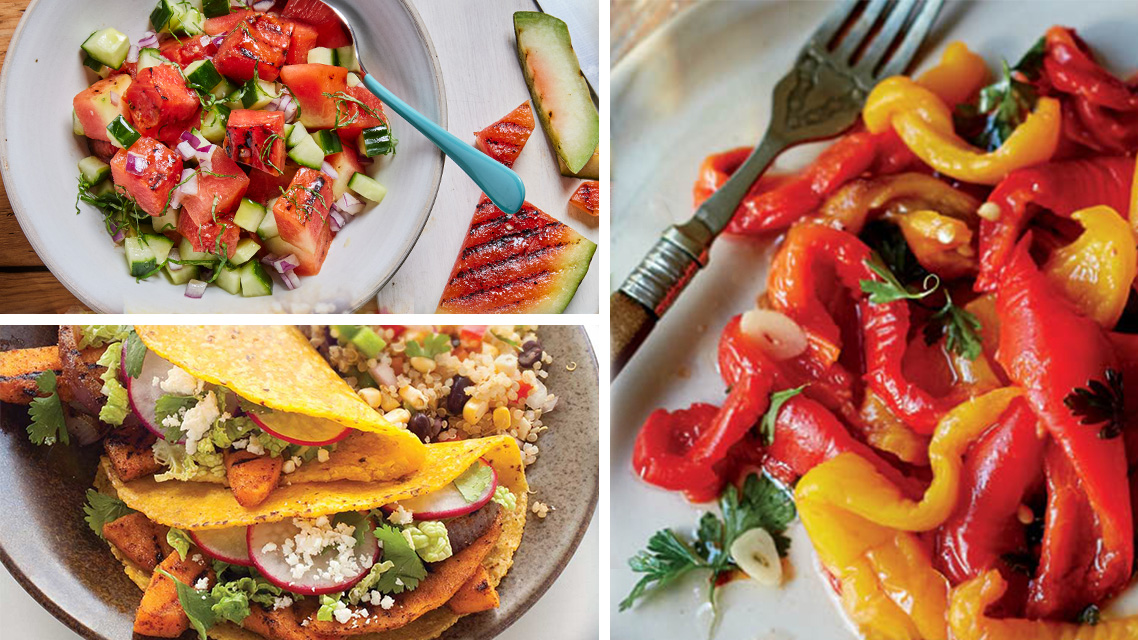
Vegetables like peppers, zucchini, onions, mushrooms, and asparagus cook quickly, pair well with any protein, and deliver fiber, polyphenols, and antioxidants, says Blake. Bean and lentil salads add plant-based protein and slow-digesting carbohydrates that help keep blood sugar steady. Fresh fruits like berries, melon, and grilled peaches bring color and additional polyphenols to the plate.
The [grilling] techniques that reduce harmful chemical exposure are the same ones that produce juicier, more flavorful results.
Condiments are an excellent way to pack in even more nutrition, Blake notes. Chimichurri (mostly parsley, garlic, and olive oil) is rich in polyphenols and healthy fats (try this Minted Chimichurri recipe). Fresh salsas made with tomatoes, corn, or stone fruit add vitamin C and brightness without excess sodium. Guacamole contributes fiber, potassium, and heart-healthy fats, while yogurt-based sauces like tzatziki offer protein and probiotics alongside cooling herbs.
Grilling doesn’t have to be a health compromise. The techniques that reduce harmful chemical exposure are the same ones that produce juicier, more flavorful results. You can add nutritious marinades to boost flavor, and you can build a colorful, balanced plate to turn a simple cookout into a genuinely nourishing meal.
Grill-Night Safety Checklist
Flavor and technique matter, but food safety is nonnegotiable. A few simple habits can prevent the kind of cookout that guests remember for the wrong reasons. Donald W. Schaffner, PhD, a distinguished professor of food science at Rutgers University, recommends these essential practices for safe outdoor cooking.
DO:
- Use a clean plate for cooked meat.
- Keep two sets of tongs, one for raw and one for cooked food.
- Invest in a tip-sensitive digital thermometer and insert it into the thickest part of the meat to test for doneness.
- Cook ground meats to at least 160 degrees F. Poultry and processed meats should be cooked to 165 degrees F; red meat and fish should reach 145 degrees F. For a complete temperature chart, visit www.foodsafety.gov.
- Cool leftovers uncovered in the refrigerator in shallow containers no deeper than 2 inches until chilled. Then cover.
DON’T:
- Place cooked meat back on a plate or platter that held raw meat.
- Use the same tongs for handling raw and cooked food.
- Assume a burger is done by color alone — always check with a thermometer.
- Let food sit in the danger zone (40 to 140 degrees F) for more than two hours total.
Marinade Matrix
Building an effective marinade is simple once you know the formula. Add one element from each column, then marinate foods for at least 20 to 30 minutes (or up to several hours for deeper flavor), and grill as usual. Research shows that this combination can reduce HCA formation by 60 to 90 percent, says integrative registered dietitian Kellie Blake, RDN, LD, IFNCP.
FAT (2–3 tbs.)
- Olive oil
- Avocado oil
- Sesame oil
ACID (2–3 tbs.)
- Lemon or lime juice
- Red- or white-wine vinegar
- Plain yogurt
HERBS AND AROMATICS
(1–2 tbs., or to taste)
- Rosemary and thyme
- Oregano and basil
- Garlic and black pepper
- Turmeric and ginger
UMAMI BOOSTER
(1–2 tsp.)
- Soy sauce, tamari, or coconut aminos
- Fish sauce
- Worcestershire sauce
- Miso paste
MARINATION TIME
- Quick (20–30 minutes): Offers measurable protection and is ideal for weeknights and delicate foods like fish
- Standard (two to four hours refrigerated): Provides deeper flavor penetration
- Overnight (refrigerated): Best for tougher cuts; results in maximum flavor and tenderness



Comments (0)