



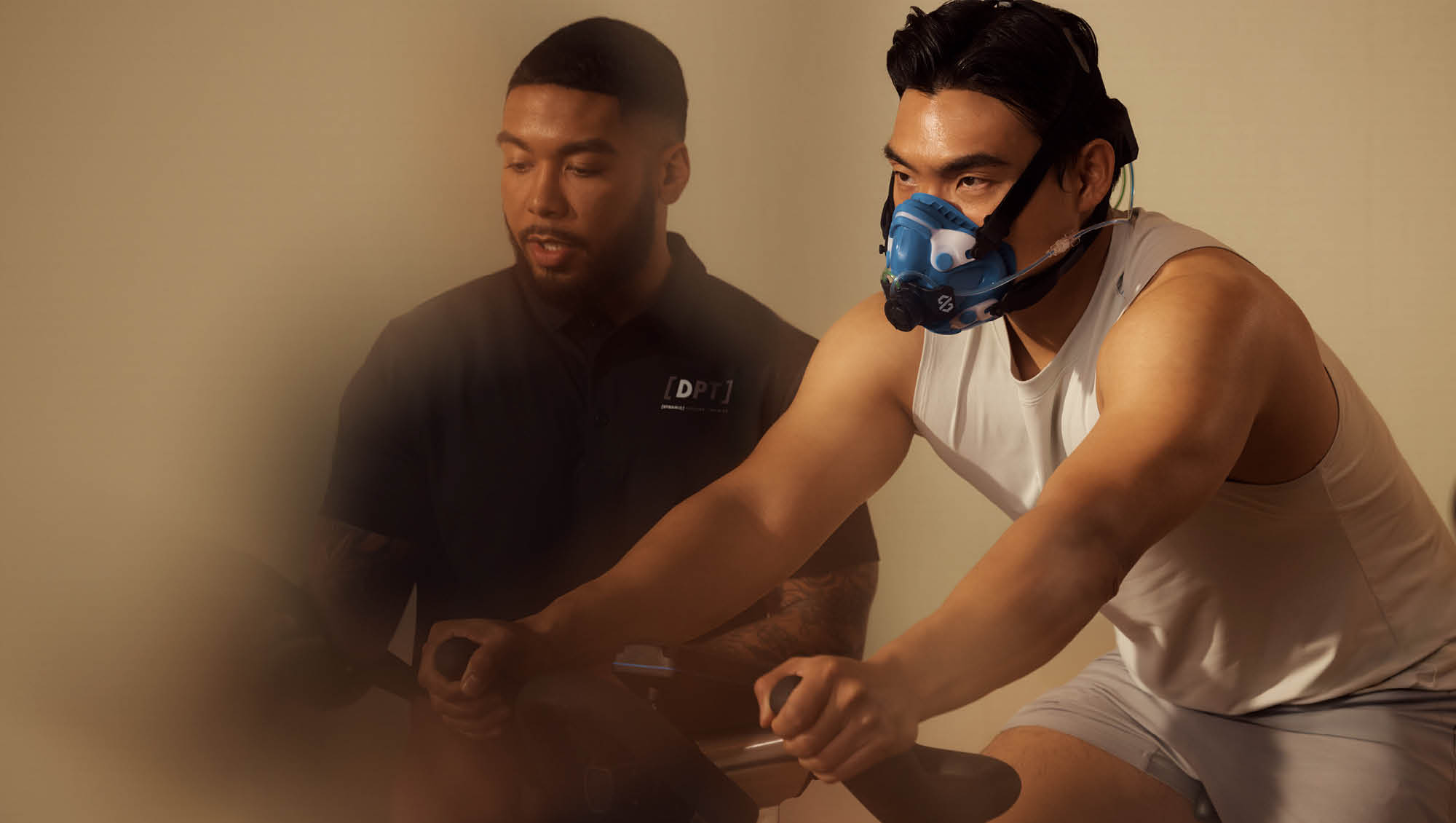
What it is:
The maximum amount of oxygen your body can use during exercise, says Nick Davis, a NASM-certified personal trainer and Life Time on-demand instructor.
Why it’s important:
The metric is an indicator of cardiorespiratory fitness. “It’s one of the strongest predictors of cardiovascular health and longevity,” says Reed.
An investigation published by the Journal of the American College of Cardiology found that cardiorespiratory fitness (using VO₂ max as a measurement) was associated with a lower risk of mortality from any cause, including heart disease and cancer. People with the highest levels of fitness had greater longevity.
How to measure it:
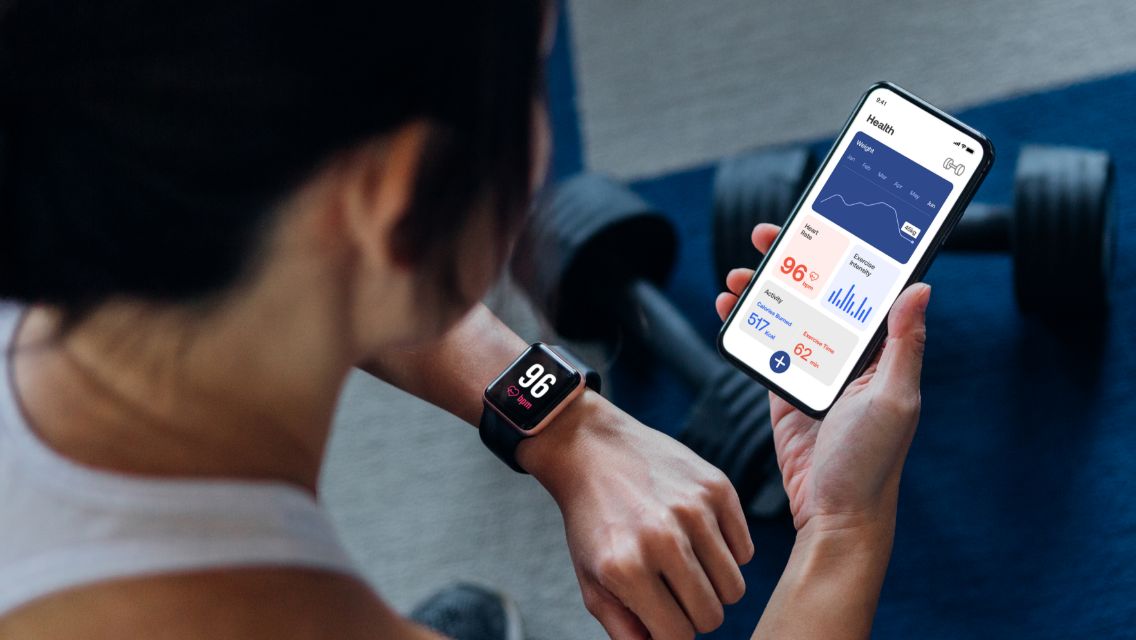
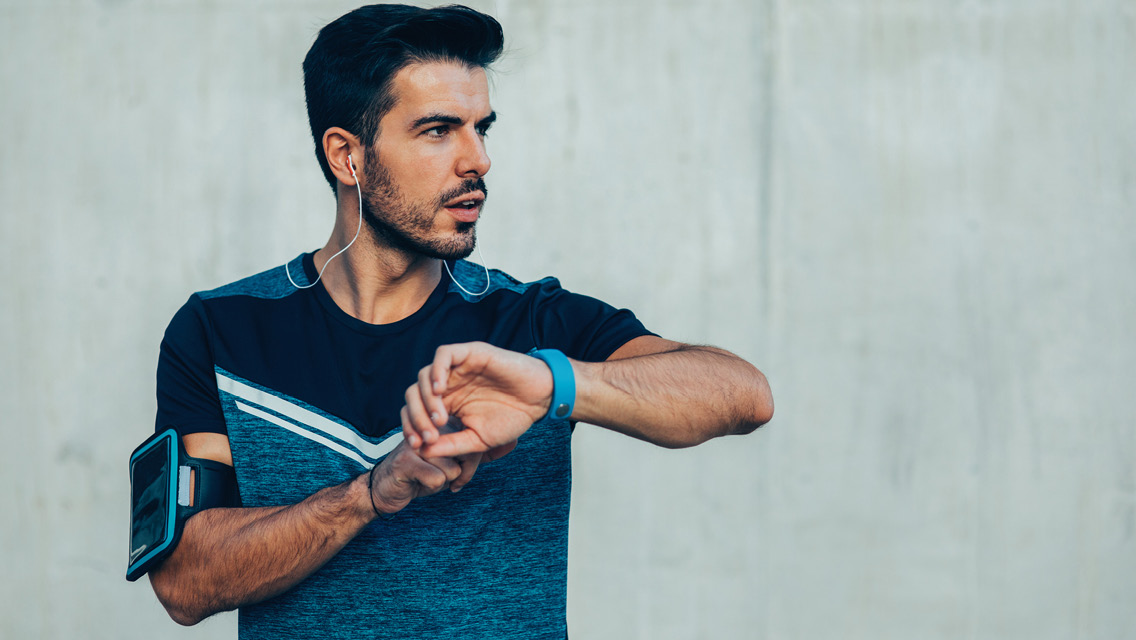
Many fitness trackers provide an estimate of your VO₂ max during activity. For a more accurate measurement, VO₂-max testing is available at performance and specialty clinics and at some health clubs, including Life Time.
How to improve it:
Various factors influence VO₂ max, some of which you have no control over, such as age, gender, and genetics. But there are a lot of things you can do to improve your fitness, no matter who you are. Davis recommends incorporating a mix of low-intensity, steady-state cardio training and higher-intensity interval work. “Both are important to improve your cardiovascular fitness,” he says. Include at least one session of each in your weekly plan.
Fitness Markers to Watch
There are myriad ways to measure fitness and longevity. Discover two more fitness benchmarks that can offer the most useful insight at “3 Fitness Markers to Watch,” from which this article was excerpted.







Comments (0)