




Thanks to the advent of wearable technology and the growing accessibility of clinical testing, it’s possible to collect tremendous amounts of data about your health and fitness. You can get daily reports on your heart rate, step count, blood-oxygen levels, recovery, and sleep stages just by wearing a watch or a ring. Delve even deeper with targeted performance tests to learn how your body uses different fuel sources, how much you sweat, or how much power you can generate.
“This can be incredibly empowering,” acknowledges Rachelle Reed, PhD, an exercise physiologist and industry researcher. “When used well, data increases awareness, reinforces positive behaviors, and helps people see trends they might otherwise miss.”
At the same time, being flooded with body metrics can be overwhelming and confusing. Moreover, health markers are just that — markers, says Anoop T. Balachandran, PhD, an associate professor in Family, Nutrition, and Exercise Sciences at Queens College, The City University of New York.
“They provide useful information, but the ultimate goal is not to improve the marker or make your device proud,” Balachandran says. “It’s to live longer and healthier, and to move better.”
With that in mind, experts suggest narrowing your focus. These three fitness markers have the greatest potential to influence your athletic performance, longevity, and quality of life.
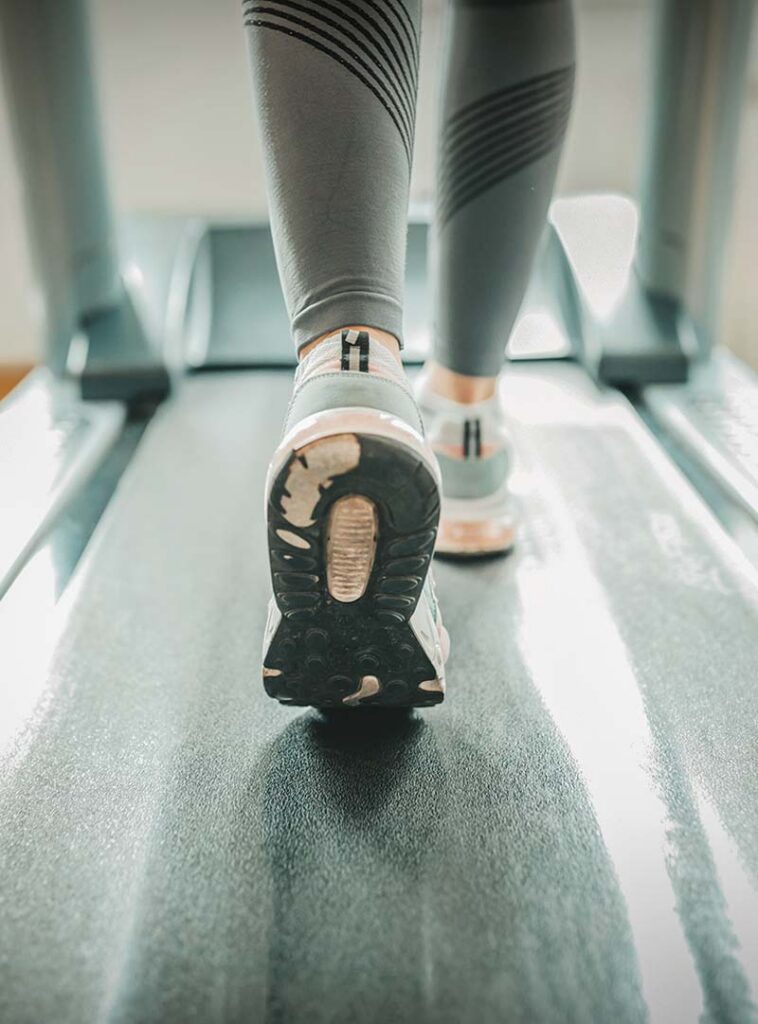
1. VO₂ Max
What it is: The maximum amount of oxygen your body can use during exercise, says Nick Davis, a NASM-certified personal trainer and Life Time on-demand instructor.
Why it’s important: The metric is an indicator of cardiorespiratory fitness. “It’s one of the strongest predictors of cardiovascular health and longevity,” says Reed.
An investigation published by the Journal of the American College of Cardiology found that cardiorespiratory fitness (using VO₂ max as a measurement) was associated with a lower risk of mortality from any cause, including heart disease and cancer. People with the highest levels of fitness had greater longevity.
How to measure it: Many fitness trackers provide an estimate of your VO₂ max during activity. For a more accurate measurement, VO₂-max testing is available at performance and specialty clinics and at some health clubs, including Life Time.
How to improve it: Various factors influence VO₂ max, some of which you have no control over, such as age, gender, and genetics. But there are a lot of things you can do to improve your fitness, no matter who you are. Davis recommends incorporating a mix of low-intensity, steady-state cardio training and higher-intensity interval work. “Both are important to improve your cardiovascular fitness,” he says. Include at least one session of each in your weekly plan.
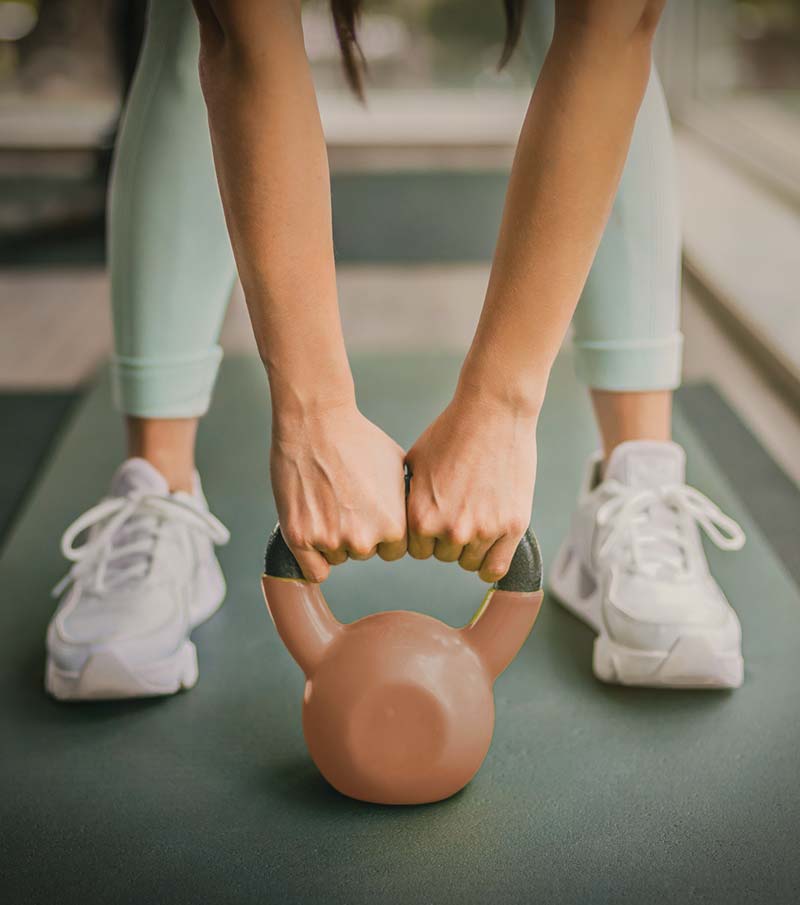
2. Muscular Strength
What it is: The maximum amount of force that can be generated by a muscle or muscle group.
Why it’s important: “Strength is increasingly recognized as a key marker of healthspan,” says Reed. “Higher muscular strength is associated with lower risk of injury, better metabolic health, and improved functional independence with aging.” It also offers practical day-to-day advantages, like the ability to carry your groceries, walk up a flight of stairs, or even open a jar.
How to measure it: “We want to know how much muscle you have — but more importantly, we need to understand how well your muscle works,” says Kelly McKenzie, MS, CSCS, a performance physiologist at Human Powered Health. She recommends two assessments: the DXA scan and the force-plate assessment. “The DXA scan is the best way to assess the amount of lean mass you have, and force plates are the best way to assess how functional your lean mass is when you use it,” McKenzie says.
If you can’t access these tests, Davis adds, assess yourself with body-weight moves like pushups, pull-ups, squats, and dead hangs, using assistance as needed. The goal is to maintain or increase your strength over time — no matter where you’re starting from.
How to improve it: Aim for two to four weekly sessions of full-body resistance training, which you can do with body weight, free weights, weight machines, or resistance bands. To progress, gradually increase weight, repetitions, or training complexity.

3. Heart Rate Variability (HRV)
What it is: The variation in time between heartbeats.
Why it’s important: It offers a snapshot of how well your autonomic nervous system (ANS) functions.
The ANS regulates involuntary processes like heart rate, respiration, and digestion.
HRV is a marker of both cardiovascular and mental health. “Essentially, HRV can tell us how well the body is adapting to stress,” says Reed. Variability is desirable; reduced HRV is associated with an increased risk of high blood pressure, heart failure, and heart disease.
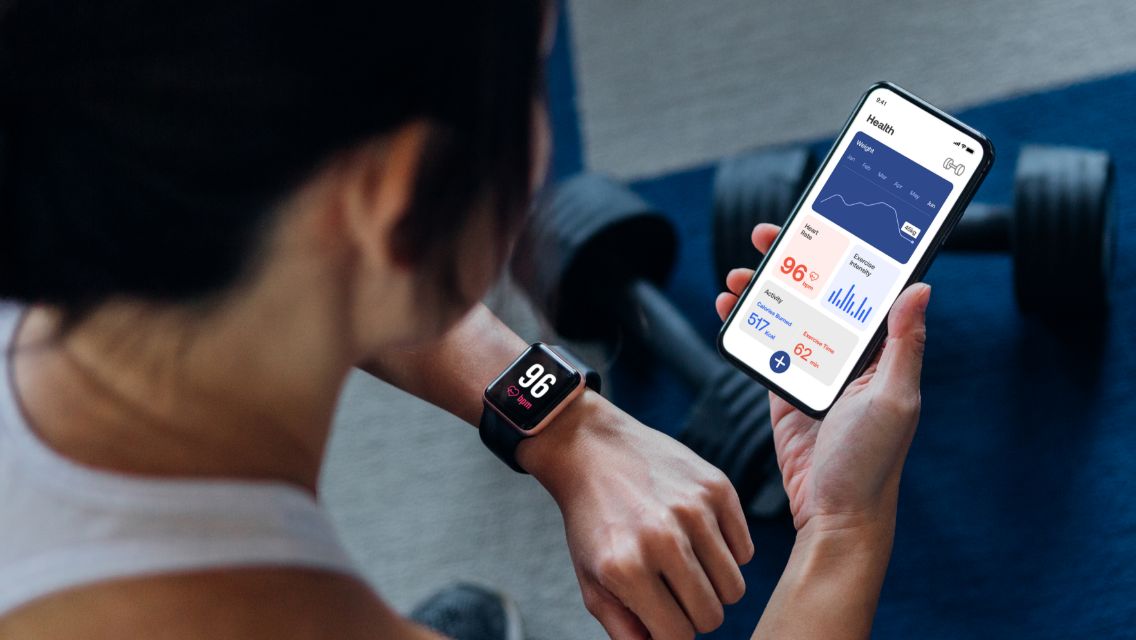
How to measure it: Many fitness trackers and apps are equipped to measure and track your HRV.
How to improve it: Reed recommends focusing on four things to improve your body’s resilience to stress: sleep quality, stress management, hydration, and aerobic conditioning. “HRV tends to improve with balanced training loads, adequate recovery, and reduced chronic stress,” she says. “Overtraining, poor sleep, and illness can suppress it.”
When it comes to exercise specifically, one meta-analysis, in Frontiers in Cardiovascular Medicine, found that aerobic and resistance training can improve HRV. Aerobic exercise can improve cardiorespiratory fitness, increase circulation, and bolster your parasympathetic, rest-and-digest nervous system function.
Resistance exercise, on the other hand, can increase muscle mass, improve metabolic health, and calm your sympathetic, fight-or-flight nervous system. The result? Better nervous-system balance and a more resilient body.







Comments (0)