



Low energy and a lack of motivation are hallmarks of depression. Still, anyone can experience them. What’s more, energy and motivation are precisely what we need when we’re trying to recover from a persistent low mood. It’s a difficult conundrum for many people, but it’s not impossible to solve.
As an integrative psychiatrist, I consider the energy production of three systems: metabolism, mitochondria, and the brain. All three are interrelated, and improving one of them can improve the others.
These systems can be supported with simple lifestyle measures, including exercise and sleep. But the most potent influence on energy production is diet. In most cases, our cells can’t store energy for long, so our bodies must regularly produce the energy we need to function. And this process is entirely dependent on the nutrients we consume.
Let’s explore these energy domains and how we can support them nutritionally.
Metabolic Energy
Our bodies convert food into cellular energy by the process of metabolism. We require a steady influx of calories to provide our brains, in particular, with the glucose they need. We can get glucose from any of the macronutrients, but carbohydrates are usually the most efficient source.
Mitochondrial Energy
Mitochondria are the energy factories within most of our cells, and our mental and physical health depend on them working efficiently. The process by which mitochondria convert glucose into adenosine triphosphate (ATP) — which sustains our energy — requires several nutrient cofactors, including B vitamins, magnesium, coenzyme Q10 (CoQ10), alpha lipoic acid, L-carnitine, and omega-3 fatty acids. (“The Care and Feeding of Your Mitochondria” to learn more about your mitochondria.)
Brain Energy
Norepinephrine is one of the key neurotransmitters for mental health, influencing mood, energy, and focus. It’s chemically related to adrenaline, so to understand its effects, picture what happens when you’re in fight-or-flight mode: You become focused, alert, and energized. When energy is low, we need to find ways to optimize our norepinephrine levels.
How to Eat for Energy
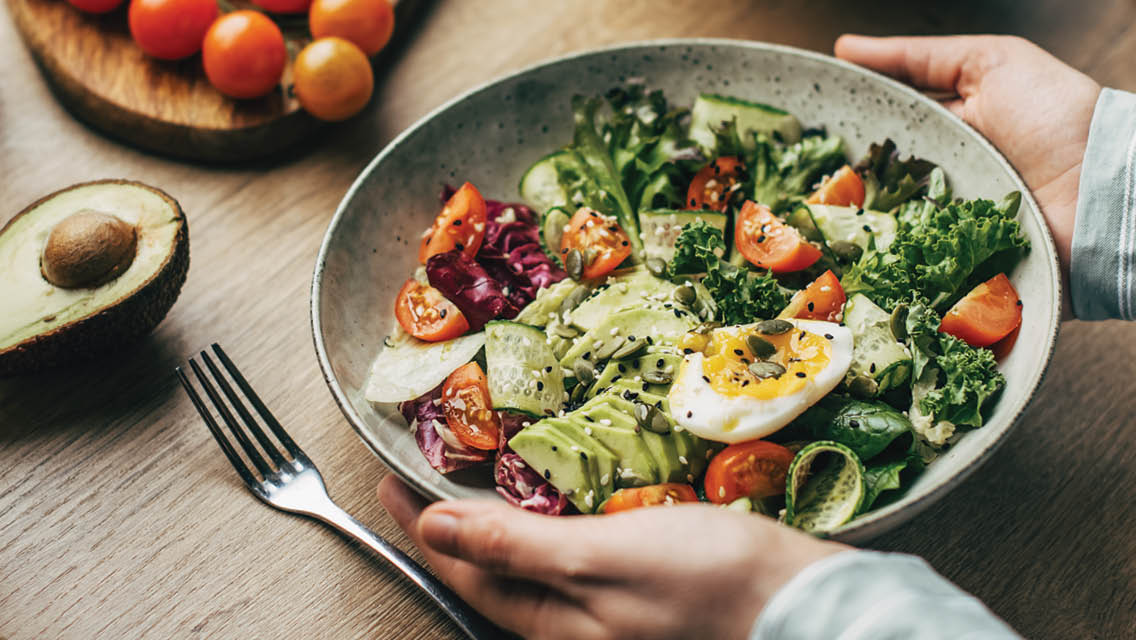
An energy-promoting diet looks a lot like how you might eat in the middle of summer: lighter foods, modest amounts of high-quality fats and proteins, and ample complex carbs, including lots of fresh, colorful vegetables and fruits — all while limiting sweets and simple carbs as much as possible.
The goal is to eat in a way that supports stable blood-sugar levels and supplies the body with the building blocks for optimal mitochondrial and brain function. Try this:
- Eat meals with plenty of fiber from veggies, fruits, and whole grains. Include healthy fats and a moderate amount of protein to help stabilize blood sugar. Sweets are best eaten after or alongside a complete meal or snack — not alone.
- To support metabolism, try intermittent fasting for about 12 hours each day, say from around 7 p.m. to 7 a.m. (See “Everything You Need to Know About Intermittent Fasting” for more.)
- To help insulin metabolize glucose, consume more chromium, a trace mineral that acts as insulin’s assistant. It’s found in meats, nuts, grains, and eggs.
- Norepinephrine is made from the amino acid L-phenylalanine. Find it in high-protein foods like poultry, seafood, eggs, and dairy, as well as in beans, legumes, nuts, and whole grains. But be careful not to get too much: Phenylalanine is used as a sweetener in many diet sodas, and it can trigger anxiety and insomnia.
- Consider these foundational supplements to support energy production: B-complex, magnesium, vitamin D3, and omega-3 fatty acids.
- Finally, consider these specific supplements for each of the three energy domains.
For metabolism: Chromium picolinate, 200 micrograms per day
For mitochondrial function: CoQ10, 100 milligrams daily
For focus: 500 mg DL-phenylalanine once or twice daily, along with a B vitamin (Consult your doctor before combining this supplement with an antidepressant.)
Natural Mental Health
For more nonpharmaceutical solutions for common mental health challenges, visit our Natural Mental Health Department.
This article originally appeared as “Feed Your Energy” in the July/August 2026 issue of Experience Life.





Comments (0)