




Metabolism is the body’s ability to take in fuel and process it to support life.
“It consists of all the complex biochemical reactions that go on in the body to create energy in order to survive,” says fitness and nutrition educator and researcher Mike T. Nelson, PhD.
Energy expenditure is measured in calories. Your total daily energy expenditure (TDEE) has four components.
1. Resting metabolic rate (RMR) measures the calories you burn at rest. This figure accounts for approximately 60 to 70 percent of calorie-burning processes and is most influenced by your body mass and composition.
2. Thermic effect of food (TEF) represents the calories you burn to digest, absorb, and process food. TEF makes up about 10 percent of daily calorie burn for adults eating a diverse and balanced diet.
3. Nonexercise activity thermogenesis (NEAT) refers to the calories you burn moving around as part of everyday life. “The biggest factor you can change when it comes to metabolism is increasing your NEAT,” says Nelson.
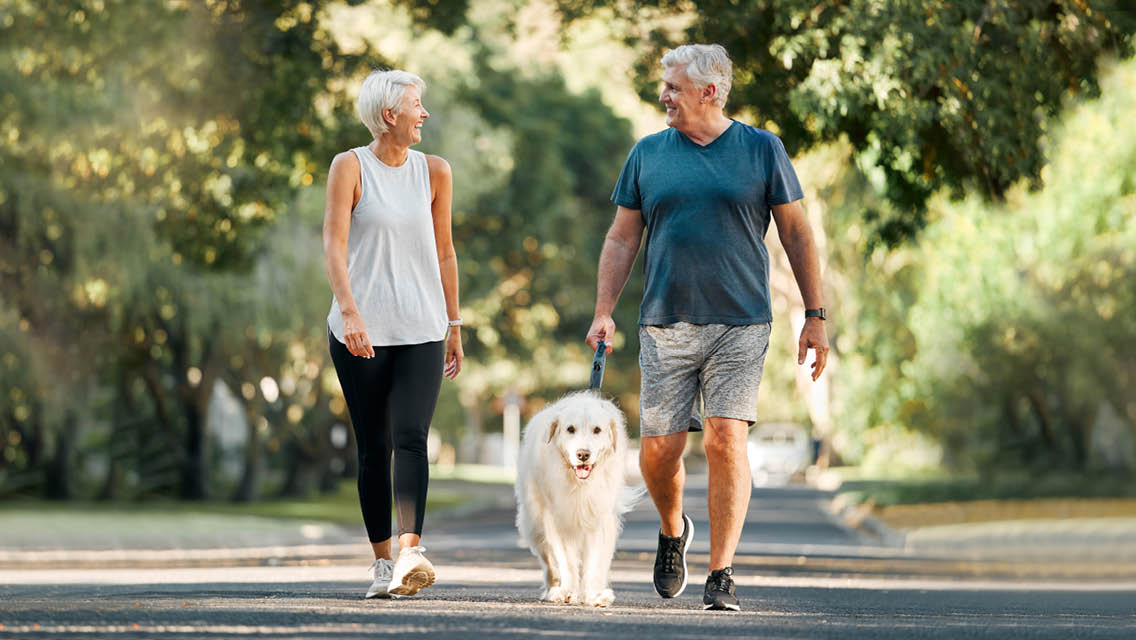
Making everyday things a little bit harder for yourself adds up: taking the stairs instead of the elevator; walking or biking for part of your commute; using a standing or treadmill desk; or storing items you commonly use on a harder-to-reach shelf or cabinet.
4. Formal exercise triggers the calories you burn doing a workout, sport, or other physical activity. This is typically a smaller piece of the TDEE pie, but it’s highly important for metabolic health, says certified fitness coach Paul Kriegler, RD, CPT, CISSN, Life Time’s director of nutritional product development.
“It’s important to understand that your metabolic rate is a measure of how busy your cells are,” adds Herman Pontzer, PhD, a metabolism researcher and professor at Duke University. “We’re really aware of the calories that our muscle cells use during exercise, but all of your organs — not just your muscles — are burning energy all day.”
Your Metabolism Over Time
Learn what really happens to your metabolism as you get older at “What Happens to Your Metabolism As You Age?,” from which this article was excerpted.




Comments (0)