


For as long as Experience Life has been in publication, functional medicine has been a touchstone in our health coverage. Focused on getting to the root cause of disease, rather than treating symptoms, functional medicine’s intent is to help manage and restore patients’ health and function. Practitioners do this by considering an individual’s unique circumstances, including the genetic, environmental, and lifestyle factors that might be contributing to the dysfunction or imbalance in their bodies.
Whether we’re reporting on allergies or autoimmune conditions, the team at Experience Life consistently incorporates expert insights and proven strategies gleaned from functional medicine. In fact, many of the health topics we cover are inspired by what we learn each year at the Institute for Functional Medicine’s Annual International Conference, where hundreds of health practitioners come together to learn the latest from some of the best in the field.
I attended this year’s event in late spring with two of my colleagues, and we took in dozens of sessions, learning about gut health, perimenopause, immunometabolism in children, behavior change, and much more. It was a lot to absorb, and I loved it.
If we want our healthspan and wellspan to match as much of our lifespan as possible, getting there starts with today’s actions, behaviors, and choices.
The highlight for me, though, was interviewing several of the presenters, including Robert Bonakdar, MD, the director of pain management at the Scripps Center for Integrative Medicine. The title of his presentation — “Healthspan: What the World Has to Teach Us” — caught my eye on the agenda, and it inspired our conversation, which turned out to be one of the most memorable of the conference. These were a few my key takeaways:
There are many definitions of healthspan, Bonakdar explained, and the majority do not include any mention of quality of life. He prefers to reframe healthspan as “wellspan,” which considers essential lifestyle elements that go beyond symptoms and diagnoses and contribute to an improved quality of life.
According to a 2024 report, the United States has the largest healthspan-to-lifespan gap — 12.4 years — among 183 member states of the World Health Organization. Per Bonakdar, this means we have, on average, more years of “functional limitations, chronic diseases, and disability” before end of life than these other countries. Yet we are investing more in the pursuit of longevity than most of these places.
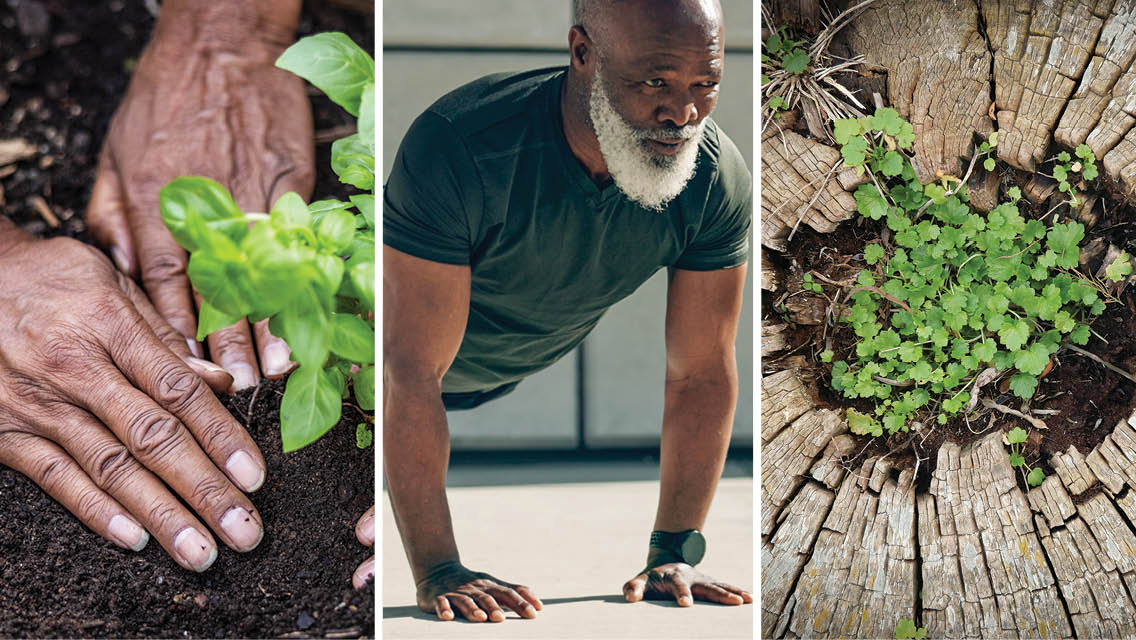
Bonakdar advocates for broadening the “core targets of healthy aging” — exercise, nutrition, sleep, stress management, and cellular health — to include subjective measures, such as maintaining strong social connections, spending time in nature, practicing kindness and compassion, participating in the arts, being of service, being resilient, and having a sense of purpose.
These factors fall into the category of social prescriptions, and they’re important for wellspan, which Bonakdar defines as “the period of life in which one sustains purpose, connection, creative engagement, and service — encompassing not merely the absence of disease or disability, but the active presence of what makes life worth living.”
As we envision what our years ahead might look like, it’s not either/or when it comes to healthspan or wellspan; it’s both/and. If we want our healthspan and wellspan to match as much of our lifespan as possible, getting there starts with today’s actions, behaviors, and choices. Let’s go.



Comments (0)