


Your Goals:
• Primary goal: Longevity
• Secondary goals: Cardio, Strength, and Mobility
Exercise is a huge contributor to longevity and long-term health. A study involving 122,007 adults, published in JAMA Network Open in 2018, found that as cardiorespiratory fitness increased, longevity did too. There was no upper limit to this correlation: Fit people had better outcomes than unfit people, and the fittest people had better outcomes than people with average fitness.
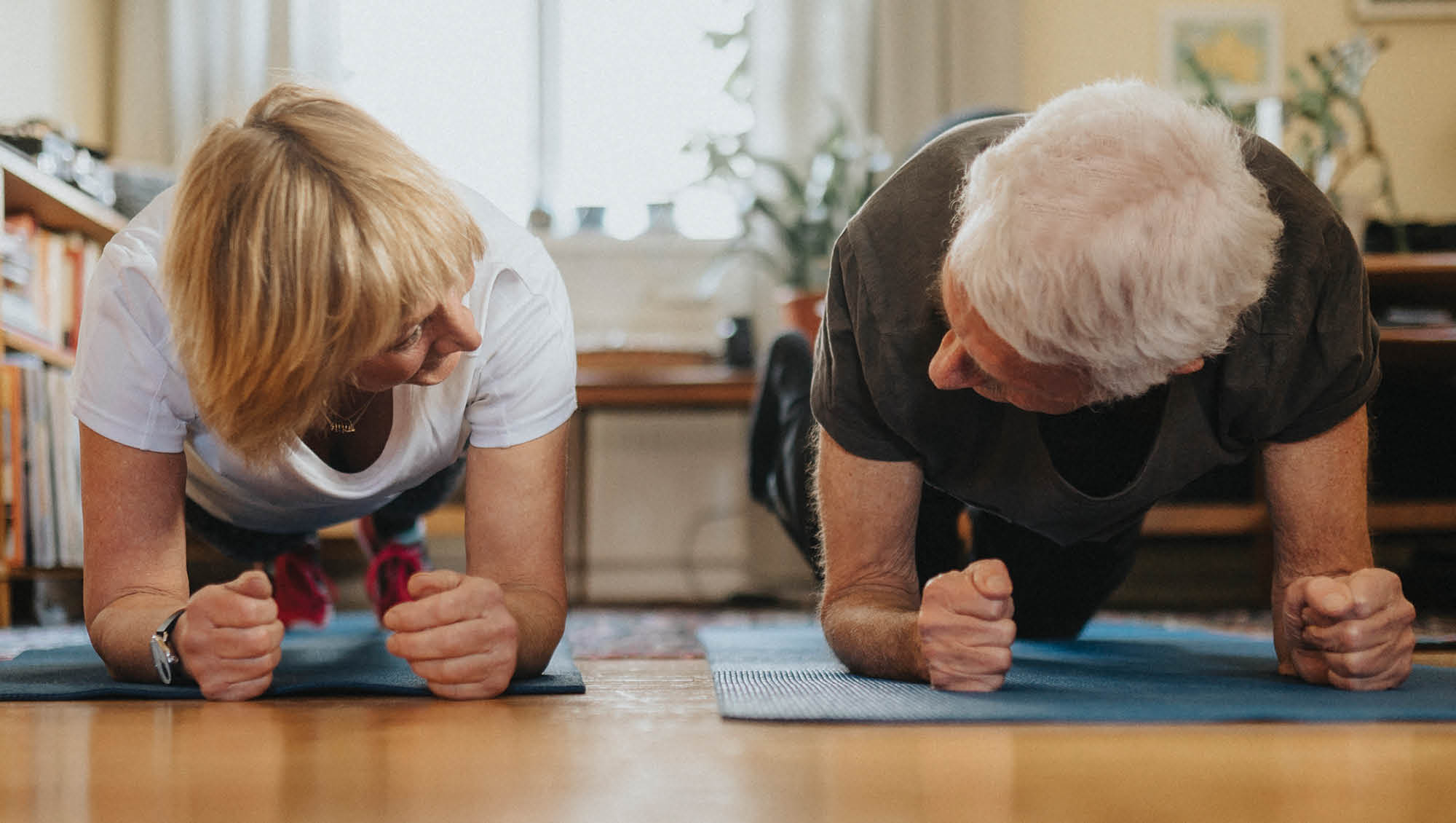
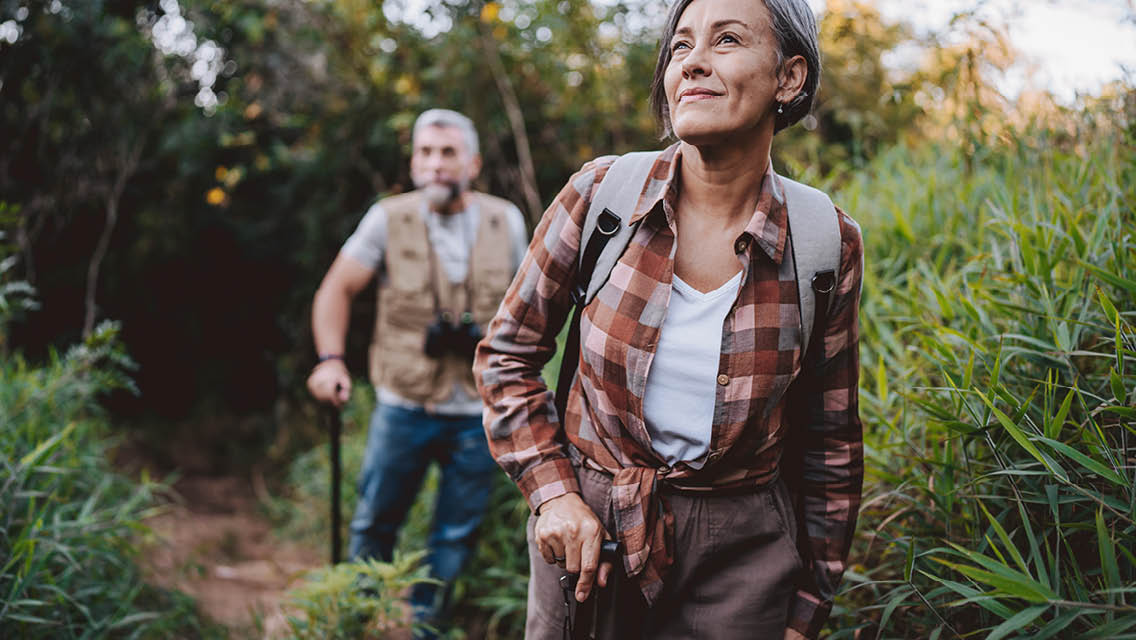
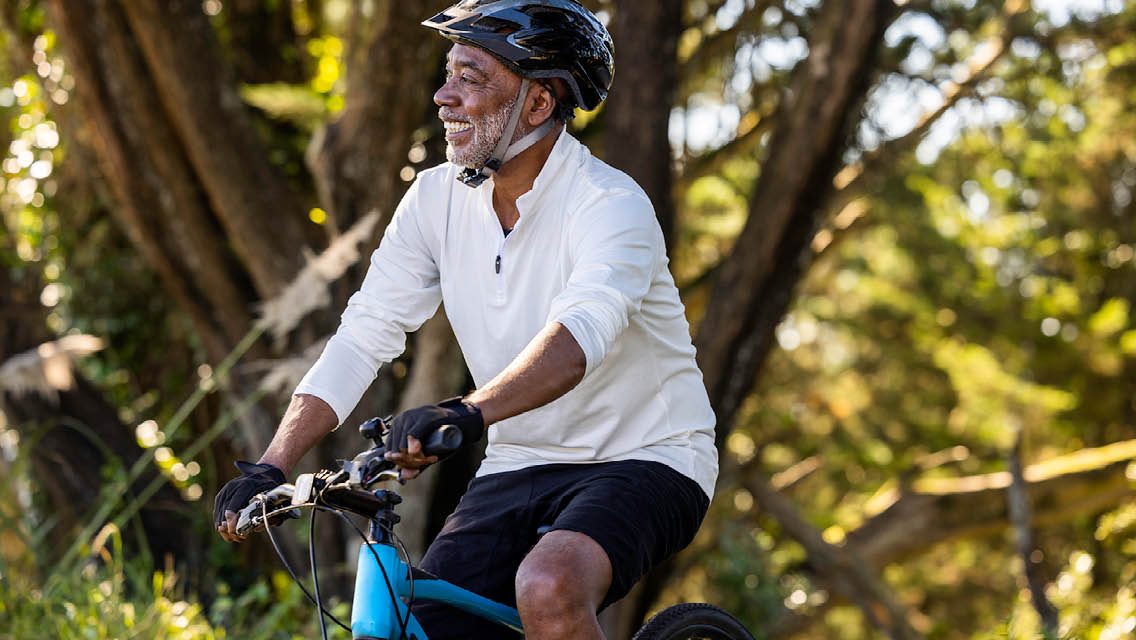
When you’re just starting out, what you do matters less than doing something and doing it consistently. So choose a physical activity that interests you and gets you moving continuously for a sustained period: walking, gardening, hiking, golfing, tennis, cycling, or anything else you enjoy.
You don’t have to do the same thing every day; some people change activities seasonally or as the weather permits. But if you make regular physical activity a habit for an hour or more most days of the week, you’ll take a huge step toward increasing your longevity.
Once you’ve developed the habit of moving regularly, you can start to slot in activities that directly fight some of the effects of aging:
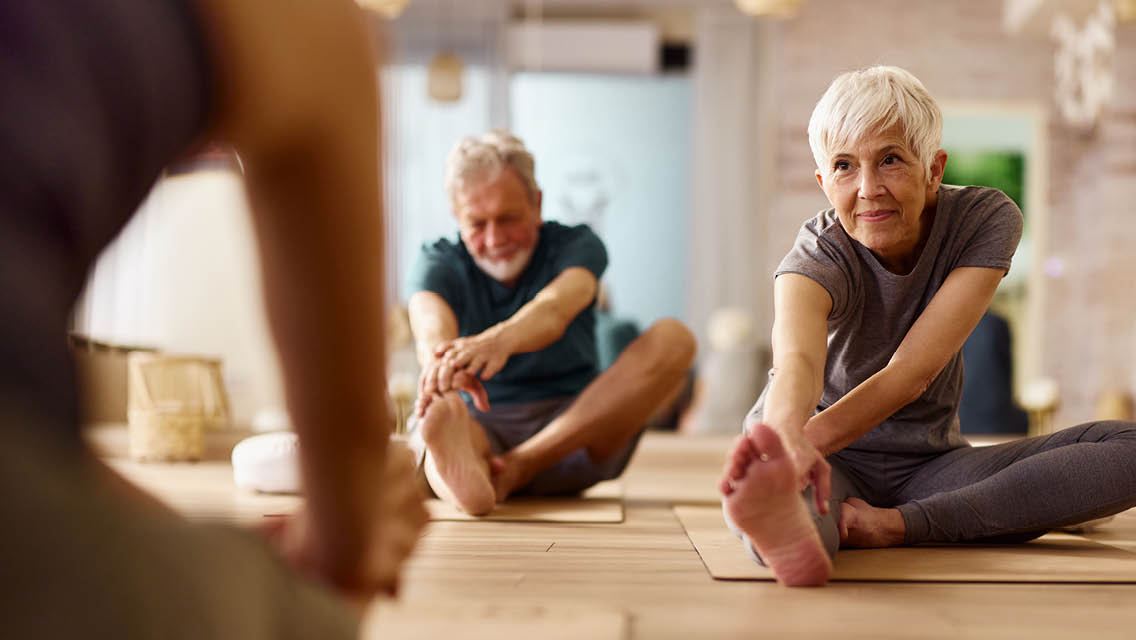
- Gentle stretches, performed before and after a workout and throughout the day
- Balance exercises, such as standing on one leg and walking heel to toe in a straight line (see “How to Build Your Balance“)
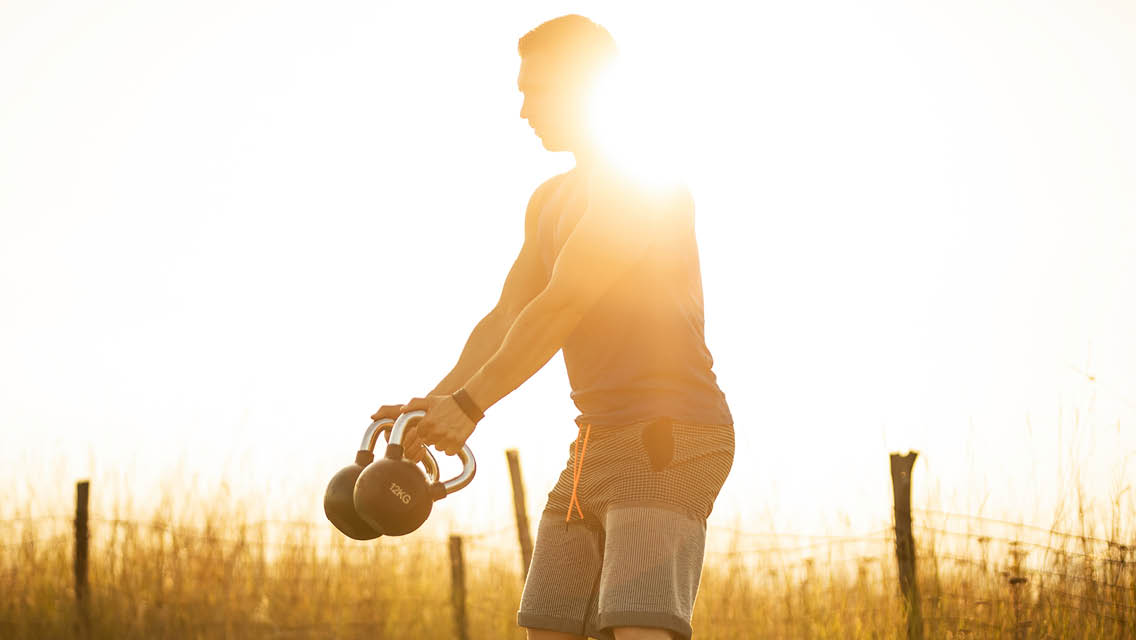
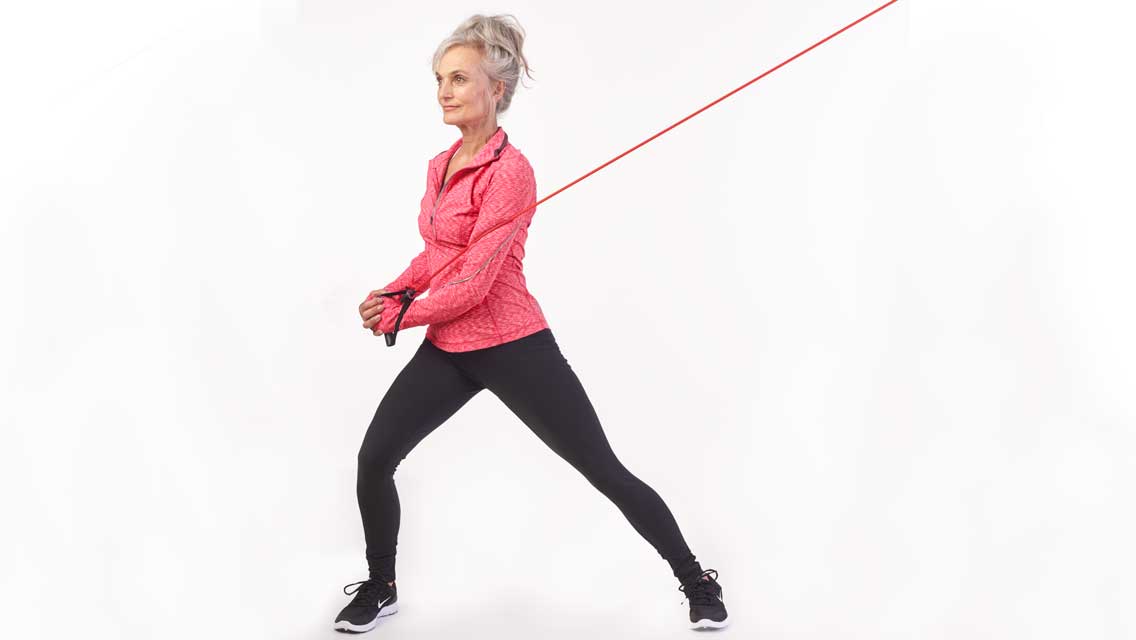
- Strength training and lower-impact cardio, with one or two sessions of each per week
Depending on your age, you may need to modify your approach to these activities, especially if you’re taking them up later in life. Recovery from hard exercise and even minor injury takes longer once you pass middle age, so you might have to take more time to prepare for and recover from workouts than you once did.
That doesn’t mean you should stay away from intensity altogether. Change requires fairly hard work no matter your age.
Since you’re not trying to maximize any particular trait, there’s no need to specialize in any one activity. Instead, spread your focus out to cover every aspect of fitness while keeping motivation high and your nervous system engaged with new challenges.
| Sample Longevity Schedule | ||||||
|---|---|---|---|---|---|---|
| Sunday | Monday | Tuesday | Wednesday | Thursday | Friday | Saturday |
| 90 minutes easy cardio (hike, walk, row, cycle, SkiErg, or a combination) | Full-body strength | 30 minutes easy cardio or sport/activity of choice | Rest | Sport/activity of choice | Full-body strength | Rest |
Support Your Efforts:
- Learn more about longevity-focused fitness at “Fit for Life: You’re Never Too Old to Get Moving.”
- Improve your flexibility, balance, and power with a six-move workout at “6 Exercises to Help You Get Down on the Floor — and Up off the Floor — With Ease.”
Find Your Fitness Routine
Find five more training templates that can help match your routine to your goals, whether you’re embarking on a new exercise journey or building onto your existing practice, at “How to Make a Fitness Plan Based on Your Goals,” from which this article was excerpted.