
Skip to content
Subscription

Get Experience Life delivered to your door

current issue of Experience Life
Delivered every two months

Real Health. No Hype.

More than 600,000 subscribers trust us to keep them informed, inspired, and authentically healthy. Join them.

5 Nutrients to Prioritize When You’re on a GLP-1

GLP-1s can disrupt your gut, muscles, and bones. Here’s what to eat to help offset the side effects.

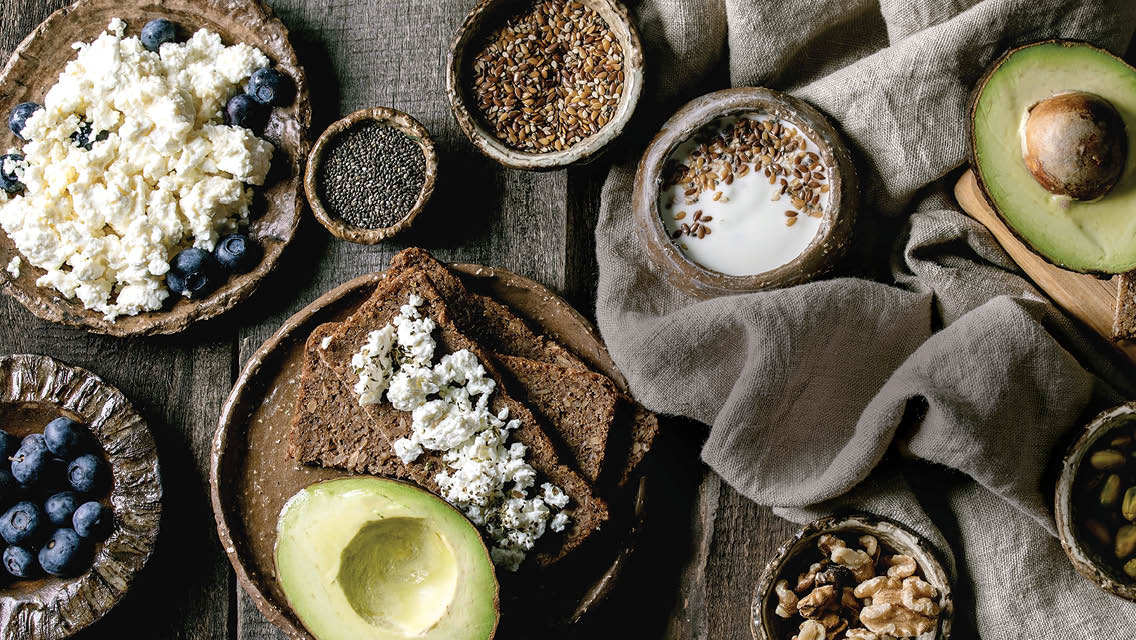
a variety of healthy foods

About 11 percent of American adults take glucagon-like peptide-1 (GLP-1) receptor agonists to help manage weight. And many experience side effects, including constipation, vomiting, and diarrhea, as well as longer-term health concerns.

“It seems many people go in to this hoping for a quick fix and then wonder, Holy cow, what’s going on with my body?” says integrative dietitian Cindi Lockhart, RDN, LD.

Many GLP-1 downsides are linked to nutritional deficiencies; studies show that caloric intake for those who take GLP-1s is reduced by 16 to 39 percent. The drug itself slows gastric motility, which can trigger GI dysfunction and disrupt the absorption of fat-soluble vitamins and minerals. Reduced gallbladder contractions may cause bile to build up and stagnate. And shedding weight too fast can cause muscle and bone-density loss.

Still, eating nutrient-balanced meals can mitigate the risks and side effects of GLP-1s, Lockhart says. She emphasizes these building blocks.

  1. Protein helps preserve lean muscle and supports bone integrity. Lockhart recommends roughly 25–35 grams of protein per meal. Choose easily digestible sources like egg whites, poultry, white fish, organic tofu, or whey isolates. (Learn more about this macronutrient and how to get it from healthy sources at “Here’s What 30 Grams of Protein Looks Like.”)
  2. Soluble fiber supports GI motility and feeds your microbiome, helping to counter GLP-1s’ digestion-disrupting side effects, says Lockhart. She suggests 25–30 grams of fiber a day from sources like oat bran, avocado, psyllium husks, legumes, chia, and flaxseed. (Insoluble fiber, soluble fiber, and prebiotic fiber are all essential to our health and well-being. Learn more at “The 3 Types of Dietary Fiber You Need.”)
  3. Omega-3 fatty acids support absorption of fat-soluble vitamins and help stimulate the gallbladder to release bile. Go for SMASH fish (salmon, mackerel, anchovies, sardines, and herring) three times a week, and enjoy plenty of nuts, seeds, avocado, and extra-virgin olive oil daily.
  4. Vitamin D3 with K2 helps you absorb calcium and direct it to your bones. Lockhart notes that 2,000 to 5,000 IU of vitamin D each day is a common recommendation. Sublingual or liquid forms may be better absorbed if fat digestion is impaired.
  5. Calcium levels can decrease when taking GLP-1s because of dairy aversion, bone catabolism, and altered stomach acidity. She recommends a calcium citrate supplement for people who avoid dairy products. (Increase your calcium intake with these “20 Calcium-Rich Foods.”

Jill Patton

Jill Patton, NBC-HWC, is an Experience Life contributing editor and a national board-certified health and wellness coach. Jill covers a range of heathy-living topics, including food and nutrition, physical and emotional health, mindset and mindfulness, healthy aging, relationships, spirituality, travel, environmental health, and behavior change.

Share

More like this

Can Meal Sequencing Increase GLP-1 Production, and Might it Help Me Lose Weight? 

It most likely can — and without eliminating many foods you love. Here's how.
By Susan Pagani

Considering a GLP-1 Agonist? Here’s How to Take a Balanced Approach

Weight-loss drugs, such as Ozempic and Wegovy, can be both helpful and harmful — sometimes in equal measure. Integrative-health experts suggest that short-term use, coupled with lifestyle changes, can offer a middle way.
By Mo Perry

How to Turn Down Food Noise

Food noise — persistent, unwanted thoughts about eating — affects millions of people and is one of of the reason people turn to GLP-1 medications. These evidence-based strategies can help quiet the food noise naturally.
By Elizabeth Millard

How to Reverse Type 2 Diabetes

Type 2 diabetes has become an epidemic, but it can be reversed, says Jason Fung, MD. Here's how.
By Michael Dregni

How to Care for Your Skin While on a GLP-1

Understand the connection between GLP-1s and skin health, so you can do what you can to maintain and even improve it.
By Stephanie Astor, MSN, APRN, FNP-C, CANS

6 Things to Know About the “Miracle” Drug Ozempic

Functional-medicine pioneer Frank Lipman, MD, on what you should know about weight-loss drugs like Ozempic.
By Frank Lipman, MD 

Why Strength Training Matters When You’re On a GLP-1

Lasting results from GLP-1 medications depend on pairing them with habits that preserve muscle, protect metabolism, and support long-term well-being.
By Emily Ewen

Share a thought

0 Comments

Comments (0)

Leave a Reply

Your email address will not be published. Required fields are marked *

Keep the conversation going

Leave a comment, ask a question, or see what others are talking about in the Life Time Health Facebook group.

Facebook Group

Advertisement

Back To Top