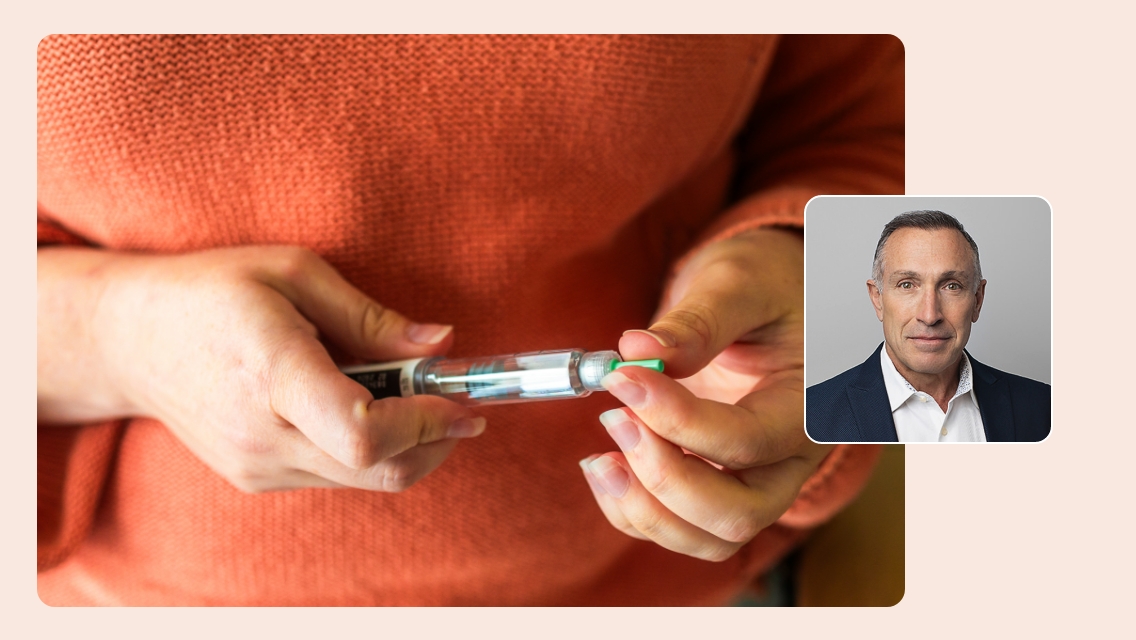



GLP-1 medications continue to be front and center as more people turn to them for weight loss, improved insulin sensitivity, and metabolic change. As their usage becomes more common, so do questions about their effects on the body. And one area that hasn’t received much attention is the body’s largest organ: the skin.
Many people are surprised by changes to their skin as their body composition changes or their inflammation status shifts. Here, I share what I’m seeing as a certified aesthetic nurse and nurse practitioner, drawing from more than six years in aesthetic medicine. I also spoke with Jim LaValle, RPh, CCN, chief science officer for Life Time, for his perspective based on prescribing GLP-1s through MIORA and his many years of experience as a long-time clinical practitioner.
GLP-1 Medications and Skin
Weight loss associated with GLP-1 medications can have a noticeable impact on the skin. This is often due to the speed and extent of fat loss for those taking them, rather than the medication itself.
“GLP-1 medications can have a negative impact on skin if you lose weight too quickly,” says LaValle. “This can lead to the loss of fat pads in key areas like the face or sagging skin in general. Additionally, when taking a GLP-1, many people do not eat enough protein, which can lead to deficiencies in amino acids that are important for skin integrity.”
As the body loses weight, particularly if it happens rapidly, it reduces the subcutaneous fat that normally provides structure and support to the skin. This can lead to visible changes like facial hollowing, more prominent lines and folds, and skin laxity in areas like the jawline, neck, and body. Many describe this as appearing more tired or aged.
Emerging research also suggests that these skin changes may also be related to a depletion of cells that contribute to collagen production. A recent study found that individuals using GLP-1 medications had significantly lower levels of adipose-derived stem cells (ADSCs) within the skin compared with controls. ADSCs help support collagen production, tissue repair, and skin regeneration. Research proposed that depletion of these cells may contribute to accelerated skin-aging changes and reduced skin quality beyond what would be expected from fat loss alone.
Some may also notice less favorable changes to the skin related to nutrition and hydration. GLP-1 medications suppress appetite, which can lead to a reduced intake of protein, essential fatty acids, and key micronutrients. This can contribute to skin dryness, dullness, or decreased skin resilience.
Additionally, mild dehydration, which is sometimes the result of reduced water intake or gastrointestinal side effects, can further affect the skin’s appearance. “Hydration, including adequate electrolytes, is especially important for people on GLP-1 medications,” LaValle says. “In many cases, because of reduction in appetite, people end up consuming less water. When hydration status is poor, the plumpness and moisture of the skin can be compromised.”
It isn’t all negative news, though. In some cases, GLP-1 medications can actually help to accelerate skin repair by reducing inflammatory signals. “When used correctly and in conjunction with proper nutrition and exercise habits, GLP-1s can have a positive effect on reducing inflammatory compounds in the body that lead to accelerated aging of the skin,” Lavalle adds.
By enhancing insulin sensitivity and lowering systemic inflammation, GLP-1s may help reduce inflammatory skin conditions, like acne, and support a clearer, more balanced complexion. They also help decrease glycation, a process in which excess glucose can damage collagen and elastin; this can help preserve skin integrity over time.
To maintain optimal skin quality during treatment, adequate lifestyle habits, fat-loss strategies, and supportive skincare practices are required.
9 Ways to Maintain Skin Health During Weight Loss On a GLP-1
For those focused on weight loss with GLP-1 medications, maintaining skin elasticity requires a thoughtful, multifaceted approach that supports the skin from inside and out.
“Depletion of various nutrients and micronutrients can occur while on GLP-1 medications because of the significant reduction in caloric intake,” LaValle says. “This is especially true if individuals are placed on higher dosages at the beginning of their treatment. Less food intake means less access to nutrients.”
The following nutrition and lifestyle factors are key for supporting good skin health while on a GLP-1.
1. Consume adequate protein.
This is one of the most important factors, as amino acids (the building blocks of protein) are essential for collagen and elastin production, along with preserving lean muscle mass, which provides structural support beneath the skin.
Experts recommend getting at least 1 gram of protein per pound of ideal body weight each day. This is a challenging target for many individuals, especially those with a suppressed appetite and likely reduced caloric intake. Working with a dietitian or nutrition coach can be beneficial for creating a realistic meal plan that focuses on helping someone consume enough protein.
2. Strength train consistently.
In conjunction with protein consumption, strength training plays an important role in preserving lean muscle mass. It can also help reduce the appearance of skin laxity.
As you lose weight, especially if it is rapid, you lose both fat and muscle. Loss of this underlying support can contribute to the skin appearing looser. Intentional strength training while on a GLP-1 helps with maintaining or even building muscle, which provides a firmer foundation for the skin.
Beyond structural support, resistance training has been shown to have positive effects on skin physiology. Evidence suggests that regular strength training may improve dermal thickness and support collagen with improved circulation and the release of myokines (signaling molecules produced by muscle that can influence skin health). Improved blood flow also enhances oxygen and nutrient delivery to the skin, supporting overall skin function and repair.
3. Prioritize key micronutrients.
Adequate intake of omega-3 and omega-6 fatty acids, along with other key vitamins, can help improve skin integrity and skin barrier function. “Vitamin A is important for skin turnover and renewal,” Lavalle says. “Vitamin E status is also important as it protects the cell membranes of the skin. Zinc is another essential nutrient for skin integrity.”
To help cover your nutrient bases, take a high-quality multivitamin and fish oil supplement while also prioritizing whole-food sources of these nutrients, such as nuts and seeds and fatty fish like salmon. (Learn more: “6 Foods to Eat for Healthier Skin.”)
4. Consider supplementing with collagen peptides.
Collagen is the primary structural protein of the dermis and is essential for maintaining skin strength, elasticity, and overall integrity. It works alongside elastin and other extracellular matrix components to provide firmness and resilience.
Collagen production declines naturally with age and more notably during periods of rapid weight loss. Existing collagen fibers can also become fragmented, contributing to skin laxity, thinning, and the appearance of wrinkles. For those on a GLP-1, these changes are typically driven by reduced subcutaneous fat and potential nutritional gaps rather than a direct effect of the medication itself.
A collagen supplement delivers the building blocks for collagen formation in the skin. Studies and systematic reviews have shown that a hydrolyzed collagen peptide supplement can improve skin elasticity, hydration, and dermal collagen density when taken consistently over eight to 12 weeks.
5. Keep your body and skin hydrated.
Even mild dehydration can affect skin resilience, making consistent fluid intake and the use of barrier-supporting skincare ingredients such as hyaluronic acid, ceramides, and glycerin especially beneficial. Experts advise consuming half of your body weight in ounces of water daily. (Learn more: “Why Hydration Is Essential for Healthy Skin.”)
6. Add in supportive skincare products.
Incorporating products with collagen-stimulating ingredients — think retinoids, growth factors, and supportive peptides — into your skincare routine can help improve skin firmness and counteract some of the laxity associated with weight loss on a GLP-1. Peptides that support collagen production and skin repair (such as copper peptides, palmitoyl peptides, and signal peptides commonly found in medical-grade skincare) may improve skin resilience and firmness while supporting skin repair during periods of rapid weight loss.
During periods of rapid weight loss associated with GLP-1 use, the skin may experience increased stress related to changes in hydration, nutrient intake, collagen support, and volume loss, which together can contribute to dullness and a more fatigued appearance. Topical antioxidants like vitamin C and niacinamide may help support skin barrier function, reduce oxidative stress, and improve overall radiance while the skin adapts to these metabolic and structural changes.
7. Wear sunscreen daily.
Daily sunscreen use is crucial for preventing collagen breakdown, as ultraviolet (UV) exposure can accelerate collagen and elastin degradation through oxidative stress and chronic inflammation.
During GLP-1-associated weight loss, when facial volume can change and make signs of aging more noticeable, unprotected sun exposure can further contribute to skin thinning, laxity, pigmentation, and fine lines. Using broad-spectrum sunscreen with an SPF of at least 30 every day, and ideally one containing zinc oxide or titanium dioxide for additional UVA protection, can help preserve collagen, support overall skin health, and protect the skin.
8. Avoid overly rapid weight loss.
Equally important to what you do during periods of weight loss is avoiding overly rapid loss of weight in the first place. Gradual changes give the skin time to adapt and reduce the risk of persistent laxity.
You can avoid rapid weight loss in two ways, according to LaValle. “First, start with a reduced dose,” he says. “If you’re losing more than two pounds per week, you risk losing muscle mass. The other way to mitigate excess rapid loss is to make sure you’re getting adequate protein and consuming appropriate amounts of complex carbohydrates to support glycogen storage in your muscles.”
9. Consider regenerative skincare treatments.
While much of the conversation around skin changes and GLP-1s focuses on facial fat loss, emerging research suggests the story may be more complex due to how GLP-1 receptor agonists may influence adipose-derived stem cells within the skin and underlying tissues. Although more research is needed, this evolving area of study may help explain why some individuals experience changes in skin quality that appear disproportionate to the amount of weight they have lost.
As this research shifts the discussion from simple volume loss toward preservation and regeneration of skin quality, regenerative treatments like Sculptra, PRF (Platelet-Rich Fibrin), microneedling, and the use of energy-based collagen stimulation decides may become increasingly popular for GLP-1 patients. These treatments may help stimulate collagen production and maintain skin quality. (Learn more: “How to Care for Our Skin as We Age”,)