


All About Metabolic Testing
What if you could stop guessing about your workouts and fuel, and start making decisions backed by real data? Learn about two metabolic assessments available at Life Time and how they provide a clear picture of how your metabolism works.




Too many of us guess our way through our workouts and eating habits. We jump into a new exercise routine or nutrition plan and simply hope for the best — or hope that what worked for someone else will work for us too.
But you don’t have to leave your health up to chance. By understanding your body’s unique metabolic blueprint, you can build fitness and nutrition strategies tailored to your specific needs.
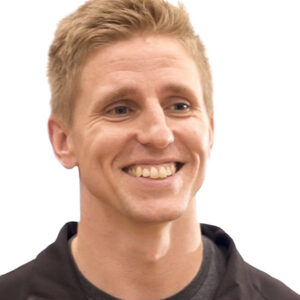
In this episode, Danny King, Master Trainer, delves into the science behind two metabolic assessments available at Life Time to show you exactly how measuring your oxygen and fuel is key to having the information you need to stop guessing and to start working smarter, not harder.
Danny King is a Master Trainer and the director of performance and recovery at Life Time.
In this episode, King explains the Active Metabolic Assessment and Resting Metabolic Assessments, and how the data they provide can inform your workout and nutrition plans. His insights include the following:
- An Active Metabolic Assessment (AMA) reveals how your body performs under exertion, while a Resting Metabolic Assessment (RMA) shows how it behaves at rest. Together, they replace assumptions with a clear, personalized picture of your baselines for training and nutrition.
- Both tests track gas exchange: the oxygen you take in versus the carbon dioxide you breathe out.
- The AMA marks your individual heart-rate zones, your aerobic base (the zone where fat is your dominant fuel), your anaerobic threshold (where your body shifts to burning carbohydrates), and VO2
- Many people who do the AMA are surprised to learn they may need to scale back their workout efforts. Medium-intensity sessions often deliver the least return. A more effective approach is to spend most of your cardio in low-intensity zone 2, then add in one or two high-intensity sessions that push you above your anaerobic threshold each week.
- The RMA measures how well you switch between burning fat and carbohydrates while at rest. Understanding this can point to dietary habits worth adjusting.
- At rest, your body should lean primarily on fat, not sugar. When your RMA results show carbohydrate burn taking over while at rest, it’s a meaningful signal that often points to high stress or lifestyle factors nudging your body toward quick sugar for fuel.
- King advises retaking the AMA every three or so months and the RMA every six or so months to keep your data accurate as you improve. However, frequency depends on your body and fitness level: generally, the fitter you are, the slower your data changes; the less fit you are, the faster your data changes.
- AMA results sync directly with the Life Time app, Apple Watch, or LT Connect for Garmin, so you can see real-time personalized heart-rate zones while you train during class or workouts at the club.
- Metabolic testing technology has improved significantly in recent years, moving from clunky, restrictive gear to comfortable, wireless, and highly accurate mask technology.
- Metabolic Testing at Life Time
- What to Know About the Active Metabolic Assessment at Life Time
- All About the Resting Metabolic Assessment at Life Time
- Which Metabolic Assessment Is Right for You?
- What It’s Really Like to Do an Active Metabolic Assessment
- All About Heart-Rate Training: How to Use it to Maximize Your Fitness Efforts With Danny King, Master Trainer
Transcript: All About Metabolic Testing
Jamie Martin
Welcome back to Life Time Talks. I’m Jamie Martin. Freeman.
David Freeman
I’m David.
Jamie Martin
And in this episode, we are diving into metabolic testing. A lot of us are kind of guessing our way through our workouts and our eating habits. We jump into new exercise routines or nutrition plans and simply hope for the best. That’s often what happens. But we don’t have to leave that much of our health up to chance. There’s actually a lot we can do, and there’s some really important tests that can help us kind of come up with a more personalized approach to our fitness and our nutrition.
So in this episode we’re exploring the science behind two metabolic assessments that are available at Lifetime to show you exactly how measuring your oxygen and fuel is key to having the information you need to stop guessing and to start working out smarter, not harder.
David Freeman
Yeah, we got a special guest back again, Mr. Danny King. He is a master trainer, director of performance and recovery at Lifetime. Welcome back, Danny. How you feeling?
Danny King
I feel great. Excited to be back. Thanks so much for having me again. Yeah.
Jamie Martin
Yeah, well you have been on talking about metabolic testing. It’s been a while now, so we want to revisit this topic and just really lay the groundwork again about what is metabolic testing and why is it valuable for all of us.
Danny King
Yeah, so when we say metabolic testing, right, we’re covering really two key tests, what we call an active metabolic assessment and a resting metabolic assessment. And we lump it into this world that’s called metabolic testing, in that we’re testing the same basic things, it which is XR’s metabolism. We’re measuring how much oxygen are you consuming, how much CO2 are you exhaling, so what’s your gas exchange? And that tells us a bunch of key information, right?
And depending on which test we do, and again, and we’ll get into it, is it can tell us about your chloride burn, it can tell us what fuels we’re using, so that it can help us understand the X rays intensity, as you mentioned, how we eat, all these different things, right? But we are fundamentally measuring actual metabolism, which is how we burn and use fuels, right? Right energy.
David Freeman
And nothing new in this space as it comes to like understanding heart rate training. I know we’ve done a few episodes before and we did an episode before about like wearables as well. So so many individuals have wearables out there and they’re getting data right now that might display their heart rate. Obviously when it comes to these tests, it makes it more objective. So let’s start first with the active metabolic assessment and how that data now makes whatever they have or wearable more objective.
Danny King
Yeah. So you’ve got wearable technology is really cool, right? I’m I I’m wearing one, you know, I use it all the time. But they’re still using averages and they’re trying to adjust, right? So if they give you heart rate zones or they give you intensities, no, they’re getting a step above better because they’re often using, hey, this is where you traditionally train and they’re trying to adjust up and down to better understand that. Yeah. Well, there’s a learning curve.
They have a tendency to what I’ve noticed is most wearables have a tendency to underestimate. And I think some of that is in just ensuring that, you know, they’re not accidentally overworking people, right? If anything, to be conservative.
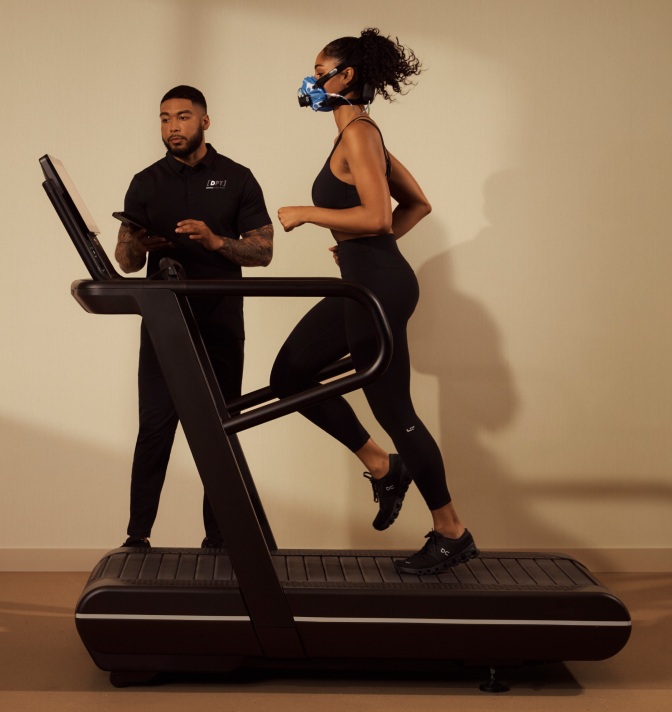
But when we start to think about doing a test, what we’re doing is we’re taking someone from a warm-up. So we can do this on any piece of equipment. Ideally, though, we use you know something you’re comfortable with, something you use, most commonly a treadmill. So we think about taking you from a warm-up up to your peak over the course of let’s call it 10 to 20 minutes, right? There’s some variation in that, but we want it to be long enough and we don’t want it to go too long.
And what we’re doing is throughout that test, right? Then we’re looking at heart rates and fuel across that curve. So we can start to see, okay, across these this variation of intensities, where are certain key metrics happening? Right. And we’ll obviously dive into those things. Yeah. And we can take and use those key metrics to better dial in those heart rate zones. Most different than what your wearable is doing is when you see the heart rate zones that we create with a metabolic test, is they’re more likely to change.
So a wearable uses heart rate zones and your really tradition classic zones just use like percent of max or percent of VO2, right? Right. Just hey, go about here. We are using specific physiological markers based on fuel and a few other things, but that then are a little more variable and adjustable, meaning, hey, I haven’t been training a lot. I over, let’s call it overuse sugar as a fuel. So we’re gonna pull your zones down to say we need to learn how to train in some lower intensity.
So you’re gonna see as you get better, as you train more, those zones shift up. So again, a little more variable and a little more dynamic to better dial in the things that we’re trying to impact with the training.
Jamie Martin
Right. So let’s talk a little bit about those. So we’re you’re finding precise heart rate zones, including the aerobic base and anaerobic threshold, right? So tell us a little bit about what those exact points are and why they’re important within this.
Danny King
Yep. So we’re calling them aerobic base anaerobic threshold. I think those are really easy to understand terms for people. In a more science-based world, often called VT1, VT2, so ventilatory threshold one and two, closely related to something like lactate threshold one and two, right? But if we go aerobic base is the way I like to describe it, this is unsciencey, but often like to describe it as the lowest intensity that you’re exercising or the lowest intensity that we’re getting a cardiovascular impact.
So it’s the it’s the segue from zone one into zone two when we do this. So when we think of a zone one effort for people or below, think of as more of the active recovery type effort. So if you’re doing that in a workout, it’s often as hey, I’m taking a walk on a day off, or in within a workout, it’s the recovery period, right? I’m coming up and down. So that aerobic base we can almost think of as above that is where we’re actually starting to see a more measurable cardiovascular impact. Well, that’s movement, it’s great, it’s helpful.
And what it represents is often where we think of both what we call oxygen and CO2 start to initially take off. So in a test is we’re looking for a spot where they start to jump the first time. And that jump is just your body saying, I gotta I gotta start doing some work here. Yeah. Right.
And then from that thing, the the last thing we’re using to understand all of these is it’s the it’s ideally, assuming a person is relatively good with fuel use, it’s the highest intensity that they’re carrying, fat is their dominant fuel source, right? So at least 50% of their intensity or of a percent of fuel is coming from fat. So we’re kind of looking at all these different things to then go place that for somebody. So fat’s your dominant fuel, which means that you’re at a slightly lower intensity, but we’re training our bodies to utilize fat as a substrate during exercise a little bit better.
It’s this the bridge between and then anaerobic threshold, that second sort of ventatory change is where now things are starting to get really difficult, right? What we see there is we see it’s our second jump-off point. So we see another jump off. That one is marked by CO2 jumping really fast. So carbon dioxide is a waste product that you’re creating, you’re X-ing the when all of a sudden you start to make way more of it. It’s a sign that your body’s working way harder and moving into what we call anaerobic metabolism.
So you’re no longer getting enough oxygen present or oxygen isn’t in a place to be able to like do what we need it to do. So we have to start using these big sugar stores that we have. Right. Not a sustainable place to be above that. It’s great for you, right? If you’re trying to improve your VO2 max, you’re trying to, there’s a bunch of benefits to high intensity exercise.
We should probably know what it is, when it is, and how close we are to it. Right. So we find those two measures, place those, and then again, those represent top of zone one, so gap between zone one and zone two, and then top of zone three, so zone three into zone four, which then allows us to better understand again where and how do we train through those zones to see those impacts. Yep.
David Freeman
Makes sense. Yeah, and when we think of our athletes that are now coming into these spaces, again, going back to now that they have this data and they’re more aware, because what we’ve seen over the years is people associate a great workout to a filling, whether that was how many calories they burn or if they were laid out on the floor.
And what I’m hearing you say is understanding when you have that crossover into the anaerobic threshold, body is no longer utilizing fat as a primary energy source that transitions to carbs. And for individuals who are trying to build lean muscle mass and lower body fat, they need to know what appropriate zones to be in. So this now makes that objective for them to apply to their training, if I’m hearing you correct, yeah.
Danny King
Yeah, absolutely. You’re you’re right there. And you know, I think there’s a lot of you go back a long time as this idea of a fat burn zone and then it wouldn’t matter and it’s you high intensity interval training, right? And there’s some level of truth across all. Right. I I was burning carbs or sugar for fuel, right? When I’m gonna say those two things interchangeably, it’s say same thing. Yep. Isn’t bad. Right. Right. If there are times that you wanna do it, there are times it makes lot of sense. You want to go rip the fastest five K you can, you should be using all sugar because it is a fast fuel. Yep.
There are just trade-offs and downsides, right? So for a lot of people. So the problem for a lot of people, who especially who you mentioned, people who are like chasing a calorie burn. Yeah. Right. Right. So my gosh, my watch says I burned X, whatever. Well, when we’re doing that, we’re often we’re depleting the main place that we store sugar in the bodies, we store is what’s called glycogen in your muscles and your liver. And that is our fast abundant fuel source. So when we go use that, we deplete a bunch of glycogen.
And what your body wants to do is it wants to refill that glycogen stores, right? Right. It wants to fast. And so the signal coming from your brain is glycogen is low, fill it up. Yeah. Best way to fill up glycogen stores, quick sugar. Right.
So what tends to happen, someone says, Hey, I want to come in, I’m going to burn calories, I’m to feel good, especially when they’re seeking some sort of weight loss and they work really hard and they feel incredibly accomplished. And then the rest of the day, their brain is screaming at them to go eat some sugar. And if I could lock you in a closet and not, you know, control you’re like, yeah, absolutely, you’d be in a great spot to lose weight. But the fact of matter is, you’re not. And you’re in an environment where that sugar is abundantly available.
So you feel really good about burning four or five hundred calories, then you accidentally end up eating six hundred, seven hundred, eight hundred, a thousand calories through the rest of the day because of that, that, that craving, right? Right. So sometimes it’s telling someone, hey, instead of trying to maximize calorie burn in the workout, how about we take it down a little bit?
You’re gonna walk out of this one, maybe only burning 350, but we’re gonna do it at an intensity that’s a little more manageable. We’re not gonna deplete glycogen that much, and you’re not gonna be in that place to to feel that way. And we’re gonna turn that signal off to your brain. Yeah. And it’s like, yeah, that’s a that’s a win for me. Yeah. Like I’ll take that all day. Right. So it’s just like it it’s an understanding.
Or I’m going long here, but if there is a reason that we want to use sugar as fuel. It’s often then about fueling, as we mentioned. Yeah. Okay. You’re doing a workout that’s pulling a lot of glycogen in. Let’s make sure that before it we’re fueling appropriately during and after we are so that we’re not getting to this place where we’re depleted. These signals have hit us really hard. So we can just be strategic about it if that’s the intent. Yeah.
David Freeman
Absolutely. And on the flip side of that, just with the understanding that if you are training in the threshold zone and you mentioned it earlier as far as how that helps improve the VO two, ’cause VO two has been linked to mortality or longevity and vitality. So can you unpack a little bit of VO two and increase in that number and the benefits behind that?
Danny King
Yeah. So that’s again what one of the things I love about not just the test, but again, the interpret that you’re going to do when you talk to somebody is now that things like again, you’re seeing zone two coming back really popular and all those things, but is if you want to optimize health, performance, all those things, you need a mix of everything. Right. And so there’s the huge advantage to training above threshold.
So again, you see this need for two types of people. There’s that person we just talked about who’s training too hard and we got to dial and pull you back. There’s another group that’s saying, Hey, I’m doing a bunch, but I’m actually never getting up there. And so it’s funny, that person, you gotta give them the bad news, like, hey, good news, you know, you’re pretty fit. You maybe have a great zone too, like you’re well developed, but like bad news, it’s time to start cranking it up.
We need to start thinking about doing some intervals where we’re getting above threshold, we’re pushing intensity. We are pushing a big oxygen demand on the body and then coming back down. Yeah. And often big is those workouts are just usually categorized by coming up and down. Right. So we’re into it and then we’re back out of it. We’re gonna recover, right?
Jamie Martin
Yeah.
Danny King
Covering in between so that we have the right intensity.
Jamie Martin
Absolutely. How can the AMA help people structure their workouts differently potentially? Because I think that’s something I know it caught me off guard when I did this years ago. The first time I did an AMA, I was like, I feel like I’m spending a lot of my time in areas where it didn’t feel like I was working that hard, but it was actually very effective. So how might that shift for people?
Danny King
Yeah, that’s the that’s the most common. It could shift a few ways and I’ll use some examples. But most common is especially again in that person who’s doing some cardio likes the feeling of, you know, it’s like it came up in a no pain, no gain, you know, feel the burn, all those things. Is it often means slowing down for their steady state. Yeah.
Now actually, interestingly, I am seeing a group of people there’s a there’s a segment of influencers that like you’ll see them advertise, hey, I’m out for my zone to walk. And it’s gotten kind of broken what zone two is. So for the first time in a life, I’ve actually had to speed people up because they’re they’ve started to think, it that means zone two means easy. No, it means easy cardio. Yes. Right. Yeah.
Jamie Martin
Yeah, you’re still doing party.
Danny King
You’re doing, you know, so they’re but more commonly is slowing down, learning to sustain, learning to work at these paces where you can talk a little bit more comfortably. And again, all of a sudden I’m recovering a little better, my brain’s like less foggy after the workout. I don’t have those cravings.
And for the first three to four weeks, I’m panicked because this doesn’t feel hard enough. Yeah. And but then all of a sudden, wow, I’m able to go faster and not my heart rate’s dropping faster. But the other side of it said is we’re doing that. Then when we’re gonna go hard, we’re gonna go hard.
So we’re often what we’re doing is we’re polarizing training most people’s training more. They’re sitting in a middle, they’re sitting in kind of the mushy middle where all my workouts are medium, and we’re gonna then say, Hey, you’re gonna most of the time go easy. And then we’re gonna go hard. We’re gonna go hard and we’re probably gonna shorten that. But we’re and the great news is you’re actually gonna feel way way more ready for it because you didn’t feel cooked from the thing you did yesterday, right?
You do that longer zone two effort, it feels good, it feels challenging, but you sweat, but you can easily recover from it. The next day you come in to do your harder, your zone three threshold work, and you’re doing you know, three minute repeats in zone three, recovering back down, and then it’s gonna be kind of rough. But I only have to do that once or twice a week, and then my other days are gonna be easy and it just all seems so much more effective, right? So the biggest thing for people is usually that polarization of their train.
Jamie Martin
I wanna talk a little bit about that because those so it’s trying to do it all, right? You want the kind of the steady state, you want those high interval moments, you also want strength training and trying to do all of it can feel really overwhelming for people in this space. So how do you recommend kind of dividing up work if you kind of got to hit all of those areas? Plus, you want to think about mobility and all of those pieces.
Danny King
I mean, that’s the that’s you know, difficult, right, for most people because they don’t have unlimited time. Right. So if you just go optimal, right? Right. Like optimal starts to, you know, strength training three to four times a week. But if I look at absolute minimum standard, if you look at results, you can say, Hey, you’ll see some change, you’ll see some success with twice a week. Yeah. Right. You’ll see at least something more than nothing. So we can kind of start to scale. Yep.
ACSN Moral Health Organization almost ever uses 150 minutes of cardiovascular exercise a week, at at a moderate intensity, 75 minutes at a high intensity. So you’re like, okay, take that across. That’s three or four bouts. Right. And we just start to start to have to do math on how much time do I have? Yep. What are my goals? Where am I gonna sacrifice? Where am I gonna do right?
The one place where I do start to just talk this long, just give a big shot on polarization, zone one, zone two, but like, if I only have a person that is really time limited and we have two sessions a week, it might be a place where I’m encouraging a lot of movement through the day. And we are maybe prioritizing d some of this depending on their test and that’s the individualization that we are actually prioritizing some of those zone three intervals because I don’t have to be that concerned about stress because I only got two workouts. Right. Like I so it’s not that, you know, it’s not that much to do it. So I might be better off there.
So I hate to give the d it depends answer, but that is why we test is understanding your exercise metabolism tells us, hey, in those two hours, maybe I do still need to hold you back and say it’s only zone two because you are under a bunch of stress and your body’s not. Or we’d say, Hey, you actually have a pretty good aerobic base, things look great. Let’s take those the time you have and be really efficient and do those higher intensity exercise bouts, right?
David Freeman
I was gonna say to make it even more objective to what Danny was just talking about and knowing that about eighty percent of our audience is actually Apple users. So we’ve worked with our tech team and then in the app when they actually start their workout that actually showcases on their watch and then if they have an active metabolic assessment plug it right in pulls it right in. So to make it objective. So if they are doing two to three days out of the week, they’re getting a a taste of what it is that we’re talking about here.
We strongly encourage obviously if you have the time, 20 to 30 minutes after class. And then we have LT Connect as a utilization tool too for the Garmin users or those individuals who might not use Apple to be able to display that. And then we are able to actually showcase post-class like the amount of time that you spend in the zone. So again, just it’s so many resources and tools that we have to make it objective and to make them understand what it is that we’re saying in this space so they get the most out of it.
Jamie Martin
Makes total sense. It’s also you know, I’m a woman in my early forties. There’s a lot of conversation happening in women in the perimenopause phase potentially, like why more of the interval training is actually a good thing versus const like always doing the steady state. What’s your take on that? I mean
Danny King
Yeah, I think it’s I would say that I try to not my world is not, you know, p post menopause women, right? Like I’ve trained plenty of them right there. But I always say to be like, Well, let me tell you what you need to do here. Yeah, right. Yeah. Person not experiencing any of this. Yeah. But I mean it a lot of it goes universal. I think most people would benefit from harder effort intervals. You know, kinda increasing that intensity. Yeah.
Obviously what you’re gonna see with a lot of people, it’s one of the reasons that doing tests and understanding it is how like things is how ready is your body to in times accept stress? Right. Because you will do. I I just one of the more recent tests I did is a person who does a lot of stuff. But we saw is even in the low intensities, they’re what we call like RQs, respiratory quotient ratio of oxygen to carbon dioxide was really high the whole time.
And the the basic answer is the body is just kind of always in fight or flight mode. It’s always under stress. So even our rest of the body is kind of like it’s working, it’s it’s it’s utilizing sugar in a way that’s saying that it’s that it’s working too much. And it’s just telling us like, hey, you gotta, you’re doing too much, right? Whatever that thing is.
So what I’m trying to say is like I’ve tested people in all categories that say it’s it’s hard to, I don’t ever want to say, you’re a you’re a postmenopause woman, you’re do this as opposed to like your body
Jamie Martin
It’s taking it well.
Danny King
Go for it. Your body’s not, maybe we’ve got to slow you down, right? Like in that, and that’s the individualism side of it.
Jamie Martin
Well, and that goes back to a lot of the things we’re talking about at life time about kind of know yourself. Like understand how your body is actually functioning and what it needs.
Danny King
Yeah, absolutely. Absolutely. And know that I’m going to give you some advice. The advice is going to be right. You’re going to execute the advice. And then the advice is going to change. Right. Yes.
Like that’s even when you know when we look at testing and we look at building out a plan for somebody, right? It gets to, well, my standard answer is we’re going to do a bunch of lower intensity work. We’re going to do that. And then you’re going to go and you’re going to sign up for a race. And you’re going to say, Hey, I want to try to PR my 5K. And at that point we say, okay, as you start to get closer, we’re going to let’s get you burn it a bunch of sugar, right? Because as I said, that’s what we want to do. And you we’re gonna push a lot a load of that, knowing that we’ve got about six weeks with a bunch of that before the body really starts to react off negatively.
So if you look at a plan I’m building for someone to peak for something for a 5k for a a race to go crush LT games, you’d be Danny, this is none of the stuff you just said. Well, yeah, because I know that I’ve got a window of time, like I’ve hopefully taken them at, you know, 16 weeks out. Built that aerobic base, built that ability. Now our sharpening period, we’re gonna stack more. Right ahead. We’re gonna do it. We’re gonna see that great result. And then we’re gonna flip again.
Right. So it’s like when you looked at the base phase, when you looked at the peak phase, then when you looked at the recovery phase, like the advice looks really different. Yeah. But we were able to adjust it for you.
Jamie Martin
Cross it for you. Yeah.
David Freeman
So we tapped in a lot of items within the active metabolic assessment. Definitely want to hit the other end of the spectrum, the resting metabolic assessments, which a lot of individuals will probably even say, no, I’m good on that one because it doesn’t seem as intense. And they’re we’re usually again associating that I gotta feel something to feel like it’s of value.
When it comes to the resting metabolic assessment, I’m willing to lean in and say it’s probably holds a little bit more value because it hits more of what you’re doing outside of that hour so much more when it comes to nutrition. So can you break down what the RMA rest and metabolic assessment is? Yeah.
Danny King
It’s it’s the sorry, it’s the only time that you’re gonna get a trainer to tell you to calm down. Relax, chill out, kick your legs up, be comfortable. And that’s what you’re doing. You’re doing that where we have the same mask on you and we’re measuring gas exchange at rest. So interestingly, we’re measuring all the same things. But at rest, now we’re able to take and learn and say, Hey, how many calories is your body utilizing at rest? Right.
And again, another place where sometimes people say, I don’t really need that is either one, I’m I’m weight stable, and so I’m that’s not necessarily thing, or I’m not going to calorie track. So I don’t really need to know. Yeah, I get it, but there’s a few reasons we still want to take that as a baseline, which we’ll get into right. But so we’re understanding caloric burn at rest. And we’re understanding again that idea of fuel use at rest.
So in an optimal environment, when we’re sitting at rest, our body is going to be running de dominantly off fat, right? That’s our long fuel source. It’s what we should be utilizing. But the other, so we start to use carbs when we’re going to high intensity. It’s we need to to power that sort of high intensity exercise.
The other time that we’re gonna use carbs is in periods of stress. If we’re in a fight or flight, because our brain, one associates that with it, right? That cortisol signal, epinephrine comes out, all that it starts to flood the body with glucose. It feels really good and it helps our brain. Right. Well, the problem is most of our stress are seated, right? We’re sitting down, we’re not running from a tiger where we need all these carbs on board. Yep.
And nutrition choices, there’s all these things that that can mess with what we call our metabolic flexibility. How well does our body switch between fat and carbohydrate for fuel? And so again, we’re understanding what’s my resting metabolism, what is then my fuel burn at rest, which can give us a whole bunch of super useful information to that person. Right.
So are we stressed out? Do we need to start to think about is it a dietary intervention that we need to change, right? And talk through somebody, is it lifestyle intervention around getting you to de stress a little bit? Are we building and maintaining lean mass to keep that resting number up? Right. How do we compare to a cohort of people?
Where we’ve recently been having some really interesting discussions is around, you know, especially as you get in MIORA and and our medical side of it. And as you look at some of these like GLP one user, right? Like, okay, well, they often don’t need to track because they don’t have like they don’t have a problem not eating, right? Well, it’s actually almost a bigger problem is let’s measure your resting metabolism at a decent frequency to ensure that as you progress down your route, you’re not seeing a negative impact there, right?
Because that’s what we traditionally associate with low calorie dieting is crashing metabolism, pulling resting metabolic rate down. Well, let’s measure it. Yeah. Make sure that that’s staying so that when we look at a future of maybe graduating off of some of this or backing off, that we are still as metabolically healthy at the beginning or or should say even more metabolically healthy at the end than we were at the beginning.
Jamie Martin
Interesting. Yeah. Okay. So if it’s looking full closely at like the fuel source, right? Specifically the ratio of fats to carbs burned at rest, what does it mean if the test shows someone is burning a high amount of carbs while sitting still? Yeah. That’s the stress element, right? That’s the stress element.
Danny King
Yep. That’s a stress. Yep. So that we call it like again in this world of metabolic flexibility, our bodies have almost lost the ability to tap back into fat. Yeah. And there’s two primary causes. That would one is stress. I’m under a lot of stress. I’m not sleeping well. You know those things. So my body is constantly driving towards this idea of glucose metabolism.
Or, and often these two go together, so it’s maybe an and an or is just simply from a fueling standpoint. I have been consistently fueling my body with a bunch of simple carbohydrates. And so your body has a limited amount of carbohydrate storage, right? It’s in the muscles, it’s in the it’s in the liver, it stores it as glycogen. So we’ve got these free-floating carbs. And the fact of the matter is once my glycogen is full, I can’t do that. Theoretically, I could convert them into fat and do so. It’s a it’s a difficult process, body doesn’t want to go through it.
It’s it and so it’s more likely to say, Hey, I’ve got this abundant amount. So let’s just burn them. And when it uses them and it consistently uses them, it actually starts to almost forget, for lack of a better term, how to go tap back into fat. So we start to decrease. And then again, what happens to that person often is they start to, they’re consistently craving. And like, why am I craving? You know, I am feeding enough. I’m doing and so stress or often how we’re eating and fueling.
And you see a tendency to the person that’s over reliant on simple carbs and where those two things come together. Stressed out, what do I tend to go to? Is those simple carbs, right? Then I eat too many of them, I grab the sugar and then you know, it’s it’s this kind of mix.
Jamie Martin
The up and down battle with that. And I I mean what you’re alluding to is really like the connection with insulin resistance, right? Like that’s kind of what we’re getting to, right? Yep. Okay.
Danny King
Yeah. And even before aga I obviously like we’ve got some amazing dietitians and medical people that can dive into this better than I can. But even before we get to that place of insulin resistance is we can still see it’s almost it’s not, but it’s almost like leading marker there. Yeah. Right of hey, you don’t use this well. Well, it’s some of the same signals, right? Yeah. Not understanding how to tap into fat.
There there’s a lot of free floating glucose there. And what does a lot of free floating glucose eventually start to, you know, ca you know, it’s there. Yeah. Yeah. And so it is a it is in that same vein of yeah.
David Freeman
You kinda spoke to like the nutrition coach, dynamic nutrition coach. And then obviously for the locations that have MRA, they can have a retro dietitian. Now when we actually have this test presented to them, how do they help create a solution for our athletes?
Danny King
Yeah. So step one is establishing baselines, right? We’re gonna sit down with you. We’re gonna let you know where you’re at. And honestly, sometimes that’s the most helpful part, right? Is okay, I got a snapshot. Like I just did, so we have this in in the vast majority of our locations. And you know, we got a team of people we’re standing able to to help our coaches if they get weird data. Is this right? Did something go? Do I need to change? Right.
And I was just helping someone the other day that said, Can you look at this test for me? The person is overweight. They have said, you know, they’ve struck they’ve talked about struggling to lose weight. There’s some of these things. And I don’t know that I that I I just want someone to double check the results. Yeah.
And the problem was that the results were too good in the resting metabolism. Like they have a very normal metabolism, right? It was about as predicted and fuel use is pretty good. And they’re like, you know, I just expected it to be bad because of what this person’s saying. You’re like, well, there’s good news and bad news here, right? Good news, relatively metabolically healthy. Right. Bad news, like, let’s go and look at their lifestyle.
Likely there there’s a bunch of hidden sources of calories that they’re eating that they’re unaware of. They’re overestimating burn, they’re underestimating intake, you know, like we just got it it’s a unfortunately let’s call it simple solution. Yeah, but we’ve now been able to take out the I think it’s my metabolism. I can’t do it because it’s I love
Jamie Martin
I love that you can actually kind of say it’s not bad actually. There’s other things which are within our control. Like all of this is within our control, but it gives more
Danny King
Versus there are then real people that you go and say, Wow, you are measured low. Yeah. It is your metabolism. Like rather than trying to just consistently chase a decrease in calories, let’s think about doing some of these things. Right.
So to to answer is is we’re gonna look at where you are as compared to, you know, predicted or or normative data. We’re gonna look at what’s optimal, and we’re gonna start giving you an action plan to that. Right. So you’re gonna walk out with some understanding of where you’re at, what you should be doing. And again, those baselines if we’re gonna wanna reassess in the future.
And then especially if you need it, then the opportunity to get connected to a coach, to get that like long term, you know, whatever you need to help help, especially if you’re in that scenario of either, wow, I must be eating way differently than I’m thinking. I’m gonna need someone to help me look at it, and or man, I need to do some things to fix my metabolism, right? To to boost it, to, you know, do the things to get it to back to what would be a little more normative. Yeah.
Jamie Martin
Using all of the data together, I mean, it’s like obviously kind of starts to create a comprehensive baseline for where you’re at, where you’re going. I mean, is it something that we should be testing? I mean, I my history has been you should be testing on a pretty regular basis, like every six months or so ideally.
Danny King
So the is on a resting metabolism, so RMA, I think every six months works pretty well. Yeah. Outside of we’re trying to make some changes. So we might and your coach might recommend more frequent if they’re most certain this isn’t always the case, but fuel use will pretty will often change faster than actual metabolism. So if we are seeing, you know, again, as we mentioned, this really high, high carb burn and we’re making some changes, we might want to see a little more frequent to see that change over time. Yep.
But generally that works pretty well. And or when we’re seeing major change. So you have had some successful weight loss. It’s changed. You’ve changed from, you know, you were you were training for a marathon and then you switched to that. You know, there a large change might tell us we’d want to test more often.
Exercise metabolism, the, the it’s interesting. The fitter you are, the slower things change, the less fit you are, the quicker they change. So, you know, often again, newer people might want to test a little more often. And this is something when you do your test, we’ll talk about we’ll give you some baseline workloads.
And when those start to be way off, meaning, hey, when we first tested to be in zone two, you had to walk at 3.5 miles an hour at whatever incline. Now you’re like, I gotta run to get there. Well, it’s different enough. It’s probably time to test. Yeah. That can that can be helpful. But that one we usually encourage quarterly.
So about every like you said about every six months for a resting and then quarterly for an exercise would be optimal. Yeah. And again that goes until something changes or or we need to, right? It interestingly then, if you go with like the fittest thing, if you look at so this isn’t a lot of our listeners, but like elite people, they’re often doing it weekly, you know, yeah. They’re hooked up in the lab, they’re yeah through it because those minute changes might matter to them. Yeah.
Jamie Martin
It’s like that those little like one percent changes, right, that are happening where yeah.
David Freeman
So prior to 2020, I mean the, it was just booming within our four walls of lifetime. When 2020 hit, obviously went away from it, just from a breathing apparatus, so on and so forth. Yeah, technology has evolved a lot. This new system. So if you can kind of break down what news things have been implemented within the technology that we now have.
Danny King
Yeah, it’s it’s a interesting thing. We were doing metabolic testing, like we were so innovative, people have forgot that we did it. And then like you know, like like I got praised by somebody outside lifetime who’s like, Wow, you guys are innovative to be doing this now. I was like, buddy, we just started in two thousand five.
Jamie Martin
I was gonna say I remember I started in two thousand five and I think I did my first assessment within that first year.
Danny King
Yeah. I was yeah, 2006 was when I got trained in on it at our Coon Rapids location. And so we we we used basically the same technology from then all the way through small updates, small changes, but you get to 2020 and it’s just it’s getting old. Yeah.
This science is still right, but some of it is like in within our devices, the you know, the welds are getting bad, you know, it’s old, but the style of sensors old, it’s a clunkier technology, so there’s cords and there’s all these things. Fast forward to now and obviously everything in the world of technology has evolved significantly.
And there’s the company that we partnered with called Spyrofit hold a patent in a new style of CO two sensor that is easier, let’s call easier to calibrate. So it’s a little bit less for the coaches. It allows for a more dynamic thing. It’s also what they’ve been able to do is take what used to be larger and need needing an external battery and a fan in it to cool, you know, d to drive air and it’s in a very small little unit.
So more comfortable to wear. It’s basically wireless. So the wires, it sits on the back of your head, it connects across and you wear a mask. The mask technology has changed. It’s more comfortable. So if our listeners have done it before and felt really claustrophobic, the mask is a little more open than that.
Just seeing these really big updates that make it more user-friendly, faster to do a test, more accurate to test, and and more accurate in the minute changes, right? And that’s good and bad because you’re like, I got worse from the last time I said but yeah, but we can really see these minute differences because we’re gathering so much more data.
Jamie Martin
Yeah. One of the I just remember the first time I do it with the old mask where you just like pinch your nose. You know like doing this. And I’ve heard with this new mask, you don’t have to do that.
Danny King
You don’t have to bit your nose. No. Yeah.
Jamie Martin
I’m kind of excited about that.
Danny King
My like my like when I the first time I ever did a test was college, right? Through going to school. And then it was a paper clip on your nose and you had to bite the mouthpiece. So like you have to exhale through it and it was miserable, right? Miserable. Or I’m sorry, close pin on your nose, but yeah, right, close pin on the nose, but bite the mouthpiece.
And then gets a life term is like, this mask is so cool. We should have had these in college, right? And so it’s neoprene mask that’s really tight. So again, same thing pinches off. And then I get this system, put this new mask on, and you’re like, wow, I can breathe.
You know, because it it what they’ve just all figured out. You used to just have to drive air directly into the tube. Now they’ve figured out how to deal with that slight ambient air that allows it so you can breathe both nose and mouth, exhale and have a little bit of room just so you don’t feel like you’re dying.
Jamie Martin
Yeah. Yeah. Or feel like you’re suffocated like that. Yeah. There’s that. I I could ask so many questions about my personal experience with this. We’re gonna go into other things. Okay, so once somebody has done one or both of these assessments, like how does the data integrate or sync with other things people might do at lifetime, even beyond what they’re how they’re working out?
Danny King
Yeah. So let’s talk and and David makes reference to our app, right? Let’s start there. So when you do your test and how the and how the appointment flows, right? They’re the coach is gonna talk to you, they’re gonna understand who you are, where you’re at, do the tests, explain it to you.
And again, within that we bring the data into our system, give you some printouts of just helpful information about how you did, what you need to do as an action moving forward, and then you’re gonna start to see the data surfacing in your app. Some now, some coming soon in terms of all of it. We’ve got some cool, really cool previews about even seeing things like resting metabolism right there in the app.
And so if you’re taking a class, again, all that exercise data is gonna pull right in. So now your GTX class is gonna be that much more accurate. Right. If you want to work out on your own and you choose a workout, especially choose a self-guided workout in our within our library that’s got zones in it, it’ll give you those personalized zones, right? So it’s gonna adjust for you. Will continue to enhance sort of that cardio experience.
Said the next step is to look at bringing all that resting data in. And we’re talking around we d this isn’t ready yet. I probably shouldn’t really say this, but I’m gonna go ahead and do it. I would say if I say it publicly, then we have to follow
Jamie Martin
Have to make it.
Danny King
But is is looking at how we can have Lacey consume that data and help make some recommendations for you. Specifically that one really around the resting side of it, if it knows you know, I feel my metabolism is low. I I need these things. What are some of the because we have all the recipes, all the articles, all the things to help pull that content in? That’s on the roadmap. It’s quite work yet.
But and again, your coach is going to talk to you about, you know, if you are, if you’re stressed out, is it maybe a little more time in the spa or in the recovery area than the fitness floor that you want to be, right? Are there are when you go eat in the cafe, are there decisions to make around better shakes, food, all those things that you could be doing based on what we know about?
Jamie Martin
I love it.
David Freeman
So we unpacked a lot. Wanna make sure before we get to our mic drop moment, is there anything that we didn’t touch on from an AMA or RMA that you wanna touch on for our listeners?
Danny King
Around the new technology, let me hit let me hit this is obviously we talked about it in the most standard form of it. Standard form of especially an AMA is you know, we’re on a piece of cardio equipment, likely a treadmill. We take you from warm up up to your peak.
What we’ll find is this new new technology is really portable. So we can it’s easier to use other pieces of equipment. Yeah. A rower is easier. David, I’ve seen a video of you doing a ski erg. We had one of our absolutely insane SGT coaches out in KOP do burpees. Wow. Did a did it like ascending one burpee on the minute, two, three, four, five, whatever. Like there’s these things. And also take it outside.
And that’s not our standard member. But if you find yourself in a performance world and you’ve maybe said, this stuff isn’t for me. I got it. Like talk to a coach at your club. There’s some cool things we can do with it, especially if you find yourself in that sort of non-standard bucket that might make sense.
And so I think that’s the like just the there’s all sorts of great new things we can do with it. So if you’ve talked to someone about testing before, like said, we’ve updated our technology. There’s some new stuff there and some really cool f use cases outside of standard we can play with.
Jamie Martin
Love that. Mix it up a little.
David Freeman
You ready for the mic drop moment? Let’s do it. It’s a simple one. All right. What do you have plan on for this year, event wise, of jumping into
Danny King
That’s great one. Let’s see here. What do I plan this year event-wise? I I’ve got two trail races picked out. I’ve got a seven miler, it’s in Mankato, Minnesota here. So I my in laws my in-laws live there, so we’re hanging out. And then I’m gonna do a half marathon trail half Berkey Biner trails in Wisconsin. And then my wife and I are doing a HYROX doubles. So we got HYROX doubles on the list.
And then maybe I think I’m talking about something bigger in that world in like October, November. But we have a couple other like got some family getting married, we got a couple other things we gotta navigate around.
But I had bounced a lot into let’s go like fitness comps and all those things. And I hit some I hit the trails a couple weeks ago. I know some dealing with some foot issues. I hit the trails a few weeks ago and was like, yeah, we’re back, baby. Like this feels good. So that’s like I’ve just been I’ve just been scrolling. Yeah, yeah, yeah.
David Freeman
Yeah.
Jamie Martin
I was just gonna ask you how you decide which races you’re gonna do, but it’s like kinda how you’re feeling sometimes, right? Like what’s feeling good for you, right? Yeah.
Danny King
Yeah, I I was really intrigued a couple of years ago and maybe talking about here is I was really intrigued about like really like longer stuff and part of it is like it’s hard to train for when you start to get above it, like just time. Yeah. But I also now like the my biggest gap there was getting faster.
So using my AMA data, doing these things and picking some shorter races that I’ve gotta go like to the well a little bit more on, build that speed a little bit more to feel good about it. So it’s kind of been, hey, let’s find stuff that’s more in the let’s call it forty five to ninety minute range. Yeah. To to just be as a different thing. Yeah.
Jamie Martin
Nice. All right, Danny. You always come with such good info. If people want to book an RMA or AMA, they can do that in the Lifetime app, which is complimentary. The app is complimentary, not the AMA or RMA. There are some costs associated.
They can also find you doing different things at lifetime.trainers on Instagram and you have articles on experience life as well as past episodes of the pod. So thanks for being here as always.
Danny King
Yeah, thank you so much for having me.
More like this




We’d Love to Hear From You
Have thoughts you’d like to share or topic ideas for future episodes? Email us at lttalks@lt.life.
The information in this podcast is intended to provide broad understanding and knowledge of healthcare topics. This information is for educational purposes only and should not be considered complete and should not be used in place of advice from your physician or healthcare provider. We recommend you consult your physician or healthcare professional before beginning or altering your personal exercise, diet or supplementation program.
Life Time provides administrative, non-clinical support to MIORA as well as services and amenities related to general wellness and fitness; Life Time does not provide medical advice, diagnosis, treatment or care.
Advertisement