


8 Daily Habits That Can Transform Your Routine in 30 Days
Learn how eight simple habits can be used to help you reset your routine, boost your energy, and feel stronger and more focused in just 30 days, without a massive lifestyle overhaul.




Creating healthy habits does not have to feel overwhelming. And you do not need a massive lifestyle overhaul to see real changes in your daily life.
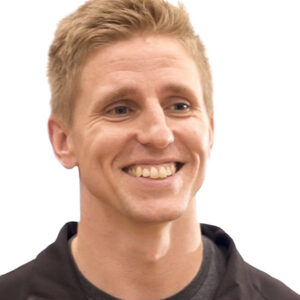
In this episode, Danny King, Master Trainer, breaks down eight simple, daily habits that can transform how you feel and function. Together, these habits also form the foundation of 30 Strong, Life Time’s 30-day challenge designed to help you build momentum, add structure to your routine, and see real results.
The plan is straightforward: Commit to these practices for just 30 days. Whether you want to reset your routine, boost your energy, or feel stronger or more focused, King shares the tools you need to make it happen.
Danny King is a Master Trainer and the director of performance and recovery at Life Time.
In this episode, King walks through the habits featured in the 30 Strong Challenge at Life Time: eight simple daily habits that can change how you feel and function in just one month. The habits include the following:
1. Complete one daily workout. The goal isn’t to crush a hard workout each day; it’s to check the box so movement becomes part of your routine.
2. Get at least 8,000 steps. Aiming for 8,000 steps gives you a meaningful stretch goal without the pressure of pacing late at night to hit a higher target. It’s doable and easy to track.
3. Spend at least 15 minutes in nature. Time outside supports both your mental and physical health. If most of your workouts happen indoors, stepping outside for a short walk is an easy, refreshing way to add something new to your wellness routine.
4. Eat 30 or more grams of protein at each meal. Instead of chasing a daily protein total, focus on spreading your intake across every meal. Protein is the building block of muscle, helps keep you full, and supports steady energy.
5. Drink half your body weight in ounces of water. Hydration is foundational, yet it’s an easy thing to forget when the day gets busy. Proper water intake affects your energy, cravings, and cellular health.
6. Eliminate alcohol. Alcohol dehydrates you, disrupts your sleep, and can trigger cravings and blood-sugar swings. Eliminating it is a big shift for many people, but King shares that it’s a habit many people choose to continue beyond the 30 days because of how much better they feel.
7. Get seven or more hours of sleep. When it comes to sleep, consistency matters more than catching up. Aim for steady sleep and wake times, along with getting seven or more hours each night. King says if you’re awake but trying to sleep, you can still count it — simply giving your body a rest is a win.
8. Spend 15 or more minutes on self-care or recovery. This habit is intentionally broad so it can fit your life. It might include journaling, foam rolling, stretching, time in the LT Recovery Zone, or a quiet moment of calm. Give your body the care it needs physically, mentally, and emotionally.
Transcript: 8 Daily Habits That Can Transform Your Routine in 30 Days
David Freeman
Welcome back to another episode of Life Time Talks. I’m David Freeman.
Jamie Martin
And I’m Jamie Martin.
David Freeman
And today’s topic is eight daily habits that have the power to transform your routine in 30 days. So we’re going to be touching on building new, healthy habits. It does not have to feel overwhelming, and you do not have to have a need for a massive lifestyle overhaul to see real change in your daily life.
In this episode, we’re breaking down eight simple daily habits that can transform how you feel and function. The plan is straightforward: commit to these practical steps for just 30 days. Whether you want to reset your routine, boost your energy, or simply feel stronger and more focused, our special guest today is going to give you the tools you need to make it happen. Who do we have?
Jamie Martin
Yes, our special guest. I want to make sure to emphasize that. David really emphasized that. He is back with us. We have Danny King, a master trainer and the director of performance and recovery at Life Time. And you’ve been with us several times now. So welcome back.
Danny King
Thank you so much. Great to be here.
David Freeman
Okay, let’s get right into it. So when it comes to building new healthy habits, why is having a plan in place so necessary?
Danny King
Yeah, I think really because if you go across the world of decisions to make and choices to make, there’s a million things a person could do, right? You read an article, you open your phone, you do anything, and you’re probably given advice about your health, or a choice, or a thing to make. So with that amount of information out there, at times it’s necessary to say, okay, this is what I’m gonna do, and I’m gonna trust that the person who’s giving me this advice knows what they’re talking about and is gonna make a difference, right?
So in a lot of ways, it cuts through all the decision fatigue and gives me a plan that I can just go execute, as you said there at the beginning, to be successful.
Jamie Martin
Right. So do you recommend taking it one habit at a time, or kind of habit stacking, doing multiple things at once? And are there pros and cons to each of those approaches?
Danny King
I feel like it would be really weird if I said one at a time when we’re gonna talk about eight of them. No, but there is a pro and a con to all of this, and to some level of stacking, right? There’s some research that says if you do too much at the same time, it tends to be overwhelming. So a lot of people do better easing into habits. The problem with that, though, is that can take a really long time to see success, depending on what those habits are, right?
So the approach we try to take is thinking about different aspects of your life and not overwhelming any one area. As we get into the habits and talk about them, there’s some exercise, there’s some daily living, there’s some other areas. So it doesn’t feel overwhelming in any one area. And they’re small enough — or they hopefully are small enough — that I can do more than one at a time. And the benefit there, again, is maybe more change right away. You wake up your fourth day or your fifth day and you’re like, wow, I feel way different. I want to keep doing this. And that motivation kicks in.
So I do think people have to be careful about taking on too much. There is absolutely that risk. But I think that done well, you can absolutely do more than one thing. And the success we’ve seen with 30 Strong and these things has obviously been a big part of that.
David Freeman
Yeah. I mean, you segue right into it. My favorite number, by the way, is thirty. So when you look at the program that we have at Life Time, 30 Strong challenges help so many people find success. What do you think the significance behind the 30-day time frame is for people to actually be successful in this space?
Danny King
It is a great number, 30 days, right? I’ll definitely agree with you there. It’s short enough that you can say things like, you know what, I really want to complete the challenge, so I’m gonna sacrifice maybe — I’m not gonna go to the party because I want to get my sleep, or I’m gonna turn down a happy hour or something like that. So it’s short enough that I can say I’m gonna put certain things on hold, and it doesn’t feel insane, like I never get to do it again.
But it’s long enough that if I stack all of these things and I’m even 80% compliant, you’re gonna feel way different, to where you’re like, wow, I’ve really noticed a difference. I’m sleeping better, I’m having more energy, I’ve lost weight — whatever those things are that we’re trying to do. So it’s a really nice sweet spot between those two things. Shorter than that, and while you feel good, you just don’t see the result. And longer than that, it’s sometimes like, I gotta do this for how long? That doesn’t feel sustainable. I quit, and we never see the benefit.
Jamie Martin
And you think of all the things on the calendar that are like, okay, well, how do I work around this thing? So I like that 30 days is doable. So part of the 30 Strong challenge is these eight different movement, lifestyle, and nutrition habits, really designed — like you’ve alluded to — with the structure and the balance to help give people momentum so they can keep doing it for the long term and make it sustainable.
So let’s start. We’re gonna go through each of them. The first one is complete one daily workout. Why is this so effective for people, and how can people stay consistent with it?
Danny King
This one is interesting. It’s actually almost a little bit controversial, let’s say. It doesn’t seem like it, but we’re asking you to work out every day for 30 days. And I’ve been on this podcast talking about things like recovery and training before. So it gets a “wait a second, am I supposed to do that? And what does that mean?”
But when we talk to somebody who’s trying to develop a habit, oftentimes variability of schedule gets difficult. So it might be okay to get it into your life, to get it in your habit, that you’re gonna say, every day at seven a.m. — or whatever it is — I’m gonna do it. Or maybe it’s for that other person who can’t be that consistent, and it says, okay, I’m gonna start something and finish it. And they get to seven p.m. at night, and they’re tired, and normally they’d give up, and now they’re like, no, I said I was gonna do it. I’m gonna hold that promise to myself. I’m gonna get that workout in.
Jamie Martin
Yeah. Like, you got to.
Danny King
Right. We know that life is busy. So one of the things when you read the guide, when you dive into it, is that we aren’t expecting high intensity every time. We aren’t expecting strength training every time. We’re gonna give you all sorts of options across the spectrum of what a workout is. But the intent is to say, I check that box, so I understand how to make the adjustment on a day I’m tired. How can I go after work instead of before if I can’t make it? And just that power of fitting it in helps break down a ton of barriers for people.
Jamie Martin
Right. And it moves you beyond excuses, right? It’s just, how do you prioritize it?
Danny King
Yeah. Yeah.
David Freeman
Numero dos, or number two for those who need the translation. This one makes me a little curious — and I’m pretty sure our listeners too — because for so long we heard ten thousand steps. But habit number two is saying at least eight thousand steps daily. So why the change?
Danny King
Yeah, we’re getting provocative with our change. We wanted people to ask. Ten thousand is just a really round number that started to get thrown out. But if you look at the steps data, it’s not really that important. More is better, traditionally, right? And movement is better. I actually wanted to use a slightly different version of that one — it was originally around daily movement — but it became very odd, like how someone would say they’ve completed it. Steps are really easy to track and mark.
But one, we want it to be sustainable. And if you look at the difference between eight and ten, it’s pretty significant in terms of what you have to do to hit it. You find yourself walking on a treadmill at night just to get it in. And really, the threshold seems to be around 7,000 steps — that’s where you do see a really significant health-outcome change. We stayed a little bit to the other side of it just to stretch people and challenge them a little bit more.
But know that 10,000 sounds really good. It’s a great thing. And by no means, if you’re doing it, should you stop — keep doing it and it works. It’s just that maybe you don’t need to go that far. And sometimes it actually can be a bit much for somebody on top of exercise or the other things they’re doing.
Jamie Martin
Just to plug a little article at Experience Life, we did go into some of that 7,000 data in an article. So if people want to search that up, it’s there. Okay, habit three: spend at least fifteen minutes in nature daily. I love this one because we know there are mental and physical benefits to being outdoors.
Danny King
Yeah, this was my favorite habit in here. And I will say, the way we found these habits was by going through all of our — you know, what have we written? — and we really went to a lot of our best coaches to ask, what are the things that you start your people with? And I will say, none of those coaches said time in nature. That was me.
I found myself listening to a podcast that was talking about the power of getting outside and how little time people spend outside. And it was an opportunity to challenge that. The reason I thought it was important is that if you look at a lot of our member base, they’re really above average in their health seeking. If you’re a member at Life Time, you probably really care about this — you probably eat better than average, you’re getting your exercise. So a little bit of it was, what’s a place that you could maybe focus on?
My guess is you’re doing most of your workouts inside our building, which is wonderful — please keep doing that. You’re working inside, you’re never outside. So try to focus on it and see what would happen. Get out into nature, get some breathing in. There’s really crazy research if you read into the mental health benefits — they saw better patient outcomes if a hospital patient got outside, or even had a window to look outside, versus not. So there are mental health benefits, physical health benefits, the breathing, all these different things. And it was just a place where I felt a lot of our members and participants wouldn’t necessarily challenge themselves.
Jamie Martin
Well, and there are even benefits when you’re closer to green space, closer to trees. I think they’re called phytoncides — what the trees are releasing, what you take in, is just different.
David Freeman
Number four. We’re halfway through. See?
Danny King
Where is it?
David Freeman
We’ve heard Sam McKinney on the podcast talking about how many individuals are in a deficit in the space of protein. So this one right here: eating 30 or more grams of protein at each meal. Why is this emphasized, and how does it support overall health and fitness?
Danny King
Yeah, I could just say go listen to Sam’s podcast. This is her habit. This is the Sam habit, you could call it, right? Sam has been beating this drum forever, was early to the train, and it just mattered. But it is so hard for people to do.
I think why that habit is phrased that way specifically is because it’s about spreading out the intake — 30 grams per meal versus hitting a certain amount per day. Sometimes hitting a daily total seems overwhelming, or you get into math and different things. This one encourages you to get that breakfast in, which is usually where most people struggle.
At this point, protein is the building block of muscle, it helps keep you full, it helps drive energy. It does so much for us. And it’s so good to spread it across the day. It’s one where people complain right away — it’s a lot of work, it’s hard to do, we gotta make these things. But it’s also probably the second most common one people say they’re gonna keep doing. I’ll ruin what the first one is later, but this is up at the top of the things people say. Once I got there and figured it out, dang, it made a difference. I’m gonna keep doing it.
Jamie Martin
Well, and once you understand what 30 grams of protein looks like — we have an article on that too, on what it actually looks like — that makes it a lot easier to know, okay, this amount is that. And it can make it feel more feasible, I think, too. All right. Habit five is drink half your body weight in ounces of water daily. We’ve talked about hydration on this podcast before. How does it influence our health?
Danny King
Yeah, this whole thing — gosh, we feel like we’ve done a lot of these before, right? And it’s because this is what matters. These are the—
Jamie Martin
Pillars. We can’t—
Danny King
And a big part of this challenge is stacking them all together. You’ve heard about this. Can you do it at the same time? But hydration is incredibly important when you look at people’s energy levels, when you look at things like cravings, when you look at cellular health — it all comes back to that. And most people are not drinking enough.
It’s so funny because it’s such a foundationally based habit. But at the same time, when you get busy, you forget your water bottle, and you get to the end of the day and you’re like, man, did I drink water today? I had that day on Monday of this week. It just worked out that way — I had left my water at my desk, I was doing stuff, and I know what I’m doing, you know? You get to the point where you start to negotiate with yourself, like, I think before my workout I had a sip at a drinking fountain, and you’re like—
David Freeman
That’s it, for sure.
Danny King
Like, okay, I gotta track this. I gotta go back. So then it’s like, for me, okay, I gotta narrow it down, I gotta hold myself accountable, I’m gonna carry it, I’m gonna measure — because it’s so simple to get away from it.
Jamie Martin
I think you see everybody with their water bottles now. When I was growing up, we didn’t have water bottles at our desk at school. But I have one at my desk now. My girls take one to school every day. That’s just part of us now.
David Freeman
Yeah, proper hydration was key there. So when we get into habit six, I know a lot of people are thinking, I’m hydrating. But this habit says eliminate alcohol. Doing this for 30 days is a big shift for a lot of people. So why is this advised, and more importantly, what benefits do people typically notice from this habit?
Danny King
Yeah. When I mentioned the most common one that people say they’re gonna carry through — this is often the one that we hear. And outside of any situation where someone has a problem with alcohol, which is a whole separate thing, it’s so simple to say, hey, a couple days a week I have a glass of wine or a bourbon to wind down. And you start to realize that alcohol is a diuretic, so it’s gonna dehydrate you.
This makes it more difficult. You start the day at a deficit. It’s gonna mess with your sleep. You’re probably gonna eat in a poorer way, depending on how much you have. There are all these things. And you really don’t notice it, and then you take it away and you’re like, wow. It takes a little bit, but you’re like, I’m sleeping significantly better. It’s easier for me to stay hydrated. I don’t have some of those effects.
I’m not having some of these cravings. My blood sugar isn’t roller-coastering the way it has a tendency to. There are all these things that all of a sudden start to pull together, and people are like, I didn’t realize it. And I also didn’t realize — that’s the bummer of this one — that it doesn’t take much to have a negative effect. It’s another one where you forget how often you’re doing it. Without realizing it, you’re like, yeah, once or twice a week I have something, and then you’re like, this week might have been five.
So going to none resets it. It gets you really turning it down, getting used to it, and realizing how great you feel at baseline. And it makes it easier to make some different decisions moving forward.
David Freeman
That’s good.
Jamie Martin
All right, I feel like this one was meant to land in my core. Habit seven: get seven or more hours of sleep per night. I think we were off mic and I was telling these guys that I haven’t been sleeping well. Six to seven is my average, but this is seven hours of sleep or more per night. We know that sleep is critical. There are even some people saying it’s more critical in some cases than exercise and nutrition, right?
Danny King
Yeah, I mean, it’s how it all works together. And I almost hate putting sleep habits in, because there are people with real lifestyle constraints who say it’s difficult, right? If you’ve got to get up to get kids going, if you’ve got stuff — there are a lot of constraints on this one that do make it difficult for some people. If you’re sitting there tossing and turning, it can be hard to do. But it’s so impactful.
It’s so impactful to how you feel and all these things that happen. If you look into the world of longevity and some of the things people are doing, which are great, none of that really matters if you’re not sleeping. So it’s so foundational.
A couple of things we like to call out: our goal when we say get seven hours of sleep at night is that if you’re awake but trying to sleep, we count it. Maybe you’re in that world of tossing and turning at night. And that sometimes almost creates the problem — you get stressed about the fact that you’re not sleeping, so you’re not sleeping even more, because you’re in the middle of the night thinking, it’s my 30 Strong, I failed. There is some research that even just lying at rest is better than not. So putting the time in, being in bed, attempting to sleep, matters.
And the other thing we emphasize pretty heavily is consistency of that sleep. So for that 30-day period, your goal is seven hours, especially in terms of what time you go to bed. A lot of people have constraints on what time they wake up in the morning. And you see a lot of people who, when you start to talk, you’re like, yeah, I understand that you want to wind down at night, I understand you want to watch some TV — but come on, let’s try not doing that. So maybe move the bedtime earlier, be consistent, and then not play the game on the weekend of staying up longer.
So it’s seven hours — obviously, if you can get more, do — being consistent and trying to be in bed that amount of time. And again, it’s another one where this works. This works really well.
Jamie Martin
Well, and I think there are also the sleep-hygiene components of that too. What does your sleep environment look like? All of that is worth considering as well. We’ve got other episodes and content on that.
David Freeman
When you look at the average within the 30 days — obviously we’re trying to stay consistent with seven — if you ended up having five one night and then ten on the weekend because you were able to, are you looking at the cumulative or the consistency?
Danny King
That’s a really good question. We’re looking for the consistency in this one. A lot of people are running through cycles of catching up. And hey, I’m not telling you — if your body’s telling you and you’re crashing, take it. Go for it. But what we want you to try to do is get out of that cycle. Be really consistent. And oddly, sometimes that means going to bed a little earlier on the weekend but waking up earlier than you normally would, just to stay a little more consistent.
Because what starts to happen when we’re consistent with our timing is that your body’s sleep cycle starts to match it and understand it. If you can be really consistent, you start to get to a place where you’re waking up without an alarm, waking up a little bit better. But when you create that variability, it harms that ability. So you might need to catch up, but at least for the 30 days, I’m trying to get you out of that cycle.
David Freeman
Yeah. Okay. All right, here we go. Habit eight: spend fifteen or more minutes on self-care or recovery daily. So help us understand why this is important and what are some simple ways to actually do it.
Danny King
Yeah, so we went broad here on purpose. When we first wrote it as recovery and were going through it, you realize that sometimes that feels stressful for people — adding more stuff to their life, like, I gotta be at Life Time doing something. And there’s so much that just does not need to be that. It can be so simple. So self-care became a word that felt important to say: do something for your own mental and physical health, your well-being.
And again, we’ll give a ton of options, especially if you do something like 30 Strong. We drive some podcasts there, we’ve got articles, we’ve got a whole bunch of ways. But it could be a lot of things to a lot of people. Journaling at night could be it — something you wouldn’t think of in terms of the world of exercise recovery. But mental self-care that helps create clarity also helps with things like sleep.
That’s where, when we talked at the beginning about these things stacking, you can go for a walk in nature, close your mouth, do some nasal breathing, maybe listen to something calming, or just listen to some birds if you’ve got a spot where you can do that. And you’re getting your steps in, you’re getting your time in nature, and you’re getting some recovery in, because it just feels so good to your body. So these things stack.
There are all sorts of ways to do it. All the way to your classic — give your tissue some love, spend some time foam rolling or stretching, get a session with a massage therapist or a dynamic stretch specialist. There are a lot of ways to hit this one. And this is the one where, while we teach consistency, I would encourage the most variety. Do all sorts of different stuff across your week to give your body that TLC it needs — physically, mentally, emotionally, spiritually. All those places could live there.
Jamie Martin
Well, and like you said, you can do this outside, but you can also do it within the walls of Life Time in our recovery areas. One of my favorite things post-workout is often to throw on the Normatec boots and just sit there, maybe put on a meditation at the same time, for that fifteen-minute cycle that I’m there for. And it’s like, that felt really good. Often we’re not giving ourselves that permission to slow down and do it. So it’s so good for us.
Danny King
It is. A post-workout cooldown is a really wonderful place to put it. There are some cool studies, especially in the world of athletes, on getting them to cool down better, especially post-game, and the impact on sleep and all those things. So taking that time post-workout could work really well. There are all sorts of cool ways to do it.
Jamie Martin
Yep. Okay. So we know this is only 30 days, but you’re still gonna have tough days in there. You might feel overwhelmed on different days. So how can someone stay motivated to stick with these habits even when they’re feeling like, ooh, this day has made it really challenging for me to do this?
Danny King
I do think that’s sometimes where the 30 days comes into play. I never expect anyone to nail any one of these things — we’ve all kind of talked about our own individual places where maybe we’re not good and don’t do it. But to prove to yourself you can do it, to understand how you feel, there’s almost this mantra of “it’s only 30 days.”
So I’m sitting on the couch, I’m really tired, I know I need to go get my workout in. And it’s like, gosh, I’m not sure I should be doing this right now, I think I’m too tired. And then it’s like, it’s only 30 days. That does seem to help. So think of that as one.
Another one is that accountability works. Obviously, I’m a giant proponent of working with a personal trainer. Our dynamic trainers are absolutely phenomenal at what they do and can help hold you accountable to it. But that’s not the only way to do it. We’ve got SGT classes at Life Time that are gonna help you with that. And one of the reasons we do a 30 Strong challenge — rather than just having these out there all the time — is because there’s likely a bunch of other people in your club and network doing this with you. Or you can recruit people in. Hey, I’m doing this, get involved, we’re all doing it, we can hold each other accountable. We’re taking our walks outside, we’re getting our things in. So that accountability and support makes a huge difference. For most people, external accountability helps.
David Freeman
And I could piggyback off that, surely. Just having a group chat — we have six of us in a group, and we all did it together. And just checking in on one another. It’s as simple as that. And I’m not always leading it, which is the dope part. You have each individual reaching out saying, hey, how did you do with this this week? And then even within the app, being able to actually — the instant gratification, since people are usually on their phone — check off those habits. It feels good.
Danny King
There’s a — I shouldn’t say — okay, I’ll say it. There’s a new instant-gratification component coming on this next one. Maybe I shouldn’t, I don’t know.
David Freeman
Just do it.
Danny King
We’re gonna put out some badges. There are some badges, some things to get in there, because — as silly as it is, I was jazzed when I saw it. The green check mark matters. And when you complete a week, you get some sort of external reward. As silly as it is, a good sticker chart still works. So we’re working on it. Because those things work, right? They really do work. And you should use and accept that. That’s why we do it.
Jamie Martin
I will say, one of my favorite things — I’m following one of the programs in the app right now — is that when I finish a workout, it’s like, hey, you hit this PR or best. So I can’t wait until there’s a badge for that too. But even just to see that, to know that it’s recognizing it, and to see that put into practice for other programs and things like these habits that are really across the lifestyle.
David Freeman
Little flex: two hundred and fifty workouts completed. I got that badge the other day. Just saying.
Jamie Martin
Yeah.
David Freeman
That’s consistency. That’s a—
Jamie Martin
Get in there. I love that. So we know that this program at Life Time typically happens in October. Let’s say somebody gets through the 30 days. What’s next for people? What do you recommend?
Danny King
Yeah. I think what we encourage people to do is take stock of the habits. Step back and really go through: what do you feel made the biggest impact? What of these am I gonna carry through? What was so powerful in my life that it made a big difference? And what can I maybe flex on?
Maybe it’s, “Danny, you’re wrong. Nature didn’t matter.” I hope I’m right, but you might say, hey, it’s inconvenient, it doesn’t work, maybe that was great and I’m glad I tried it, but that one’s not for me. But man, that protein thing, especially in the morning — wow. And I didn’t realize the impact alcohol was having on my sleep, so I’m gonna keep the alcohol out and keep the sleep where it is. Whatever those things are, we’re gonna encourage you to take stock of where you’re at. What am I gonna keep? What am I gonna let slide?
And heck, maybe it’s — I heard from a bunch of people who were like, can you just reload this for me? This was awesome, and it wasn’t as much as I thought it was gonna be. I feel good enough that I want to keep going. In which case, keep going. But take stock, figure out what it is, and then make sure you’ve got a soft landing.
The worst thing that happens — and we purposely set this up to not be so extreme or crazy that when you finish the 30 days you’re like, party time. There are challenges out there where, by the time you finish, you’re like, I’m never exercising again, I’m binging right away. You shouldn’t have that. But there is something about being done that changes your brain. So a soft landing is what’s next. For me, that’s: I know what I’m doing, I’m fine, I already found my next program in our app. I asked Lacey to build me something. I found a cool one that fits my life for the thing I want to train for. You just gotta have that soft landing. What’s coming next?
David Freeman
All right, we knocked out the eight habits. Is there anything else you wanna leave our listeners with before we get into the mic-drop moment?
Danny King
Yeah, I would say, around this stuff — one, don’t be afraid to experiment with it on your own. Obviously, we do it around October on purpose, and we open it up so people have that accountability and support. But challenging yourself for 30 days is a really cool way to do different things. I’ve seen some people recently try different challenges — maybe it’s a fitness challenge for 30 days. It’s a really good time frame. And making your own kind of 30-day challenge can work really well. So feel free to use it all the time. Feel free to play with that, because it’s interesting and impactful.
David Freeman
All right. Here it is. We knocked out the eight, so I obviously can’t use any of those. If you were to say there’s a secret King habit that’s not on this list, what is it?
Danny King
You gotta give me a heads-up on this one. Okay, hold on.
Jamie Martin
I had written down bonus habits, so I feel like—
Danny King
Bonus habit. What would I go with? Man. There are so many going through my head. I feel like I can only settle on one. I’m cheating a little because it’s kind of in there and kind of not — we’ve used it other times. I’m gonna do two. I’m gonna cheat. I’m sorry.
It’s back in that movement world, but it’s movement after meals. I think it does two things. One, it spreads movement out, and people have a tendency to do movement in chunks and then not at all. And there’s all sorts of cool blood-sugar impact stuff that says moving specifically after a meal helps. It’s one that I’m probably putting in there because I struggle with it — I’m eating on the go. I’ve got years of conditioning being a trainer, which means I hammer some food in between clients. So I try to be better. Getting that time in to move — that one came to mind as a big one. Movement after meals. And again, it’s not in here, but we’ve used that one in some of our different programs before.
And then — I guess this one is kind of in there — I’m becoming a bigger and bigger proponent of daily tissue work. Dynamic stretch, I’ve been in here to talk about it, it’s my first love, and it’s obviously in the recovery thing. But something I love to play with is foam rolling, stretching, whatever. If you get into a habit of doing it every day and just rotate through your body, it’s amazing how giving your tissues that kind of love can make a difference. So it is in there, but I’m being really specific about it — every day I’m gonna do ten minutes, when I’m on my couch or whatever it is. That’s that one.
David Freeman
Okay. You gotta do one now. Bonus.
Jamie Martin
What would my habit be?
David Freeman
Since you said bonus.
Jamie Martin
Well, what I was thinking of — because it’s kind of on the nutrition line, but we’re hearing more and more about it — is the importance of fiber. Just enough to keep things moving. I’m not talking about fiber maxing. I’m talking about getting enough so that things are moving as they need to, without going to extremes. But I do think we overlook it sometimes. Ideally through produce, but supplementing when needed too.
David Freeman
Let me throw one in there then. Get in the game.
Gratitude. I don’t know if it falls within journaling exactly, but just a moment of gratitude — being able to acknowledge something or someone you’re thankful for. I think that’s really good for the mental side of things.
Jamie Martin
All right. So people can enroll in the 30 Strong Challenge in the Life Time app — that’ll be running through October. You can learn more and hear from Danny and other trainers at Life Time at @Lifetime.trainers on Instagram. And Danny also has lots of articles on Experience Life as well as past podcast episodes. Be sure to check those out at experiencelife.com.
David Freeman
Yeah, appreciate you, man.
Danny King
Of course, thanks for having me.
More like this




We’d Love to Hear From You
Have thoughts you’d like to share or topic ideas for future episodes? Email us at lttalks@lt.life.
The information in this podcast is intended to provide broad understanding and knowledge of healthcare topics. This information is for educational purposes only and should not be considered complete and should not be used in place of advice from your physician or healthcare provider. We recommend you consult your physician or healthcare professional before beginning or altering your personal exercise, diet or supplementation program.
Life Time provides administrative, non-clinical support to MIORA as well as services and amenities related to general wellness and fitness; Life Time does not provide medical advice, diagnosis, treatment or care.
Advertisement