




You’ve likely heard of prebiotics and probiotics, and you may already eat fermented foods or take probiotic supplements. But there’s another category of gut-friendly compounds that’s worth your attention: postbiotics.
To understand the benefits of postbiotics, it helps to know how probiotics and prebiotics function.
“Probiotics are live microbes that have a wide range of potentially beneficial properties for the person consuming them,” explains functional-medicine physician Robert Rountree, MD. Every time you eat yogurt, sip kombucha, or take a probiotic supplement, you’re introducing living bacteria into your gut ecosystem.
Prebiotics, on the other hand, nourish these beneficial bacteria. “Prebiotics can be thought of as fertilizers or food for microbes,” Rountree explains. Your body doesn’t digest prebiotics; rather, it sends them to your colon where they ferment while your gut bacteria metabolize them.
Postbiotics form the third branch of this biotic family. Rather than fibers or live bacteria that we ingest, postbiotics are the substances that microbes leave behind after they break down nutrients. Hence the “post-” prefix.
“Many of the benefits we often credit to probiotics actually come from the postbiotics they produce,” explains Melissa Mitri, MS, RD. And even though postbiotics are produced by bacteria, they remain active in the body long after the microbes themselves have expired, making them a useful tool for sustaining overall health.
Postbiotics at Work
Postbiotics include a variety of molecules and microbial components. Some are metabolic byproducts. Others act as the structural parts of cells, or nutrients made by microbial activity.
There are several common types of postbiotics, including short-chain fatty acids like butyrate; beta-glucans found in yeast; vitamins and amino acids; fungi- and bacteria-derived digestive enzymes; and heat-killed probiotic strains, also called paraprobiotics or “ghost probiotics.”
“Postbiotics can improve the overall diversity of bacteria in the gut microbiome, increase the ratio of beneficial to potentially harmful microorganisms, and prevent pathogenic bacteria from attaching to the intestinal walls,” says Rountree. They may also help strengthen your gut barrier, which keeps irritants out of your bloodstream and helps fight inflammation in your gastrointestinal tract.
There’s some debate as to whether some of these molecules qualify as postbiotics, Rountree explains. The International Scientific Association for Probiotics and Prebiotics has stated that purified metabolites and isolated molecules (including butyrate, beta-glucans, and digestive enzymes) should simply be referred to by their chemical names and not considered postbiotics.
But Rountree says this semantic controversy neglects to consider the real-world usage of the term. “The practical reality is that many commercial products containing these substances refer to them as postbiotics on the label,” he says. “And they’re not just random chemicals; they’re a specific result of previous microbial activity.”
Postbiotic Potential
Since postbiotics aren’t alive, they work differently than probiotics. Researchers are still uncovering postbiotics’ full potential, but they’ve already discovered several promising benefits.
1) They can boost your immune health.
“Because so much of the immune system resides in the gut, postbiotics can also support the immune system,” explains Mitri.
Rountree adds that some forms of postbiotics have been studied extensively, especially yeast-derived beta-glucans. “The main clinically studied benefits of postbiotics are for immune support, which includes prevention of infection, improved tolerance — thus decreasing risk of allergy and autoimmunity — and possibly cancer prevention.”
2) They can improve digestive health.
Butyrate is one of the most studied postbiotics, and it plays a significant role in gut health and digestion. That’s because butyrate helps strengthen the intestinal lining, reduce inflammation, and support healthy gut motility.
Rountree says butyrate’s digestive health benefits extend beyond the colon. Butyrate can also support your nervous system, helping to regulate bowel habits and reduce gastrointestinal discomfort. Early findings suggest that postbiotics may offer relief from bloating, irregularity, and general sensitivity, especially for those with irritable bowel syndrome.
3) They may help with seasonal allergies and eczema.
Research suggests postbiotics could be useful for managing certain inflammatory conditions. Heat-killed probiotic strains, for instance, have shown potential for reducing seasonal-allergy symptoms. Other microbial metabolites may calm eczema by supporting the skin’s barrier and lowering inflammatory signals.
4) They’re potent and shelf-stable.
Unlike probiotics, which start losing strength the moment they’re packaged (and often require refrigeration), postbiotics are relatively stable.
“Since postbiotics are not viable organisms, they have a very stable shelf life at room temperature and maintain their potency over much longer time frames than probiotics,” Rountree explains. This also means that postbiotics travel well and are relatively easy to store and incorporate into your routine.
5) They might help anyone sensitive to probiotics.
Some people, especially those with sensitive digestive systems, small-intestinal bacterial overgrowth, or impaired gut motility, feel bloated or uncomfortable when taking probiotics. But because postbiotics don’t contain living organisms, they typically don’t produce the same symptoms — and so they could offer a path for sensitive individuals to improve their gut health.
Postbiotic-Curious?
If you eat a balanced diet rich in a variety of plant-based whole foods, your body should produce plenty of its own postbiotics naturally.
“Most people can get enough postbiotics . . . by eating a variety of probiotic-rich foods alongside those that contain prebiotic fiber,” says Mitri. Yogurt, miso, sauerkraut, kombucha, tempeh, and kimchi are some of those common probiotic foods.
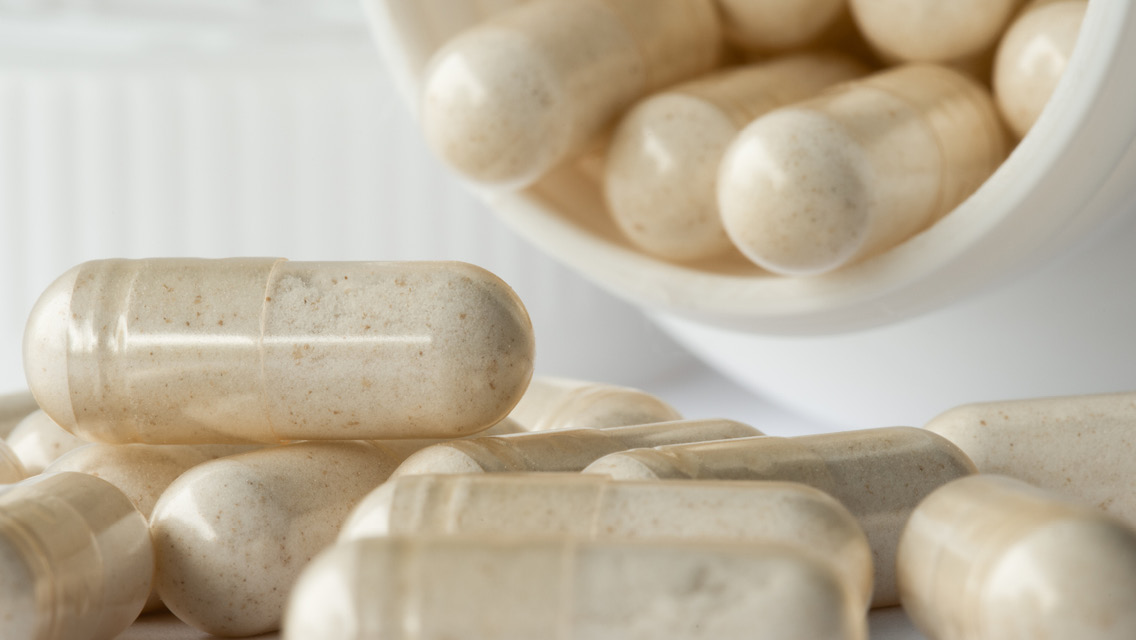
However, for people with digestive issues or immune concerns, or who have trouble tolerating probiotics, postbiotic supplements could be a supportive strategy.
If you’re curious about postbiotics, speak with your healthcare practitioner, who can help determine whether supplements are right for you. Those who are acutely ill or immunocompromised should consult with a physician before making any major changes to their diet or supplement strategy. Those with allergies to yeast or fungi should take care to avoid yeast-derived products.
Postbiotics aren’t meant to replace probiotics or prebiotics. Instead, they’re meant to be another tool in your gut-health toolbox. Whether you get them from fermented foods or from supplements, these microbial byproducts can deliver a plethora of benefits for your immune system, digestion, and overall health.
This article originally appeared as “A Postbiotic Primer” in the July/August 2026 issue of Experience Life.



Comments (0)