



Arsenic ranks No. 1 on the list of environmental substances posing the greatest threat to human health because it’s found in one of the world’s most-consumed foods: rice. Compared with other crops, rice accumulates significantly more arsenic.
Processed rice pops up in lots of foods designed for children: rice cereal, puffed rice, rice cakes. A recent report from the nonprofit Healthy Babies Bright Futures found arsenic in 100 percent of 145 rice samples purchased in U.S. stores.
Cadmium enters the soil through mining, metal plating, and agriculture. Because cadmium is chemically similar to zinc, crops that efficiently absorb zinc — such as sweet potatoes, spinach, and broccoli — can also inadvertently draw cadmium up through their roots.
Working as a chef gave Danyelle Forte a deep appreciation for feeding people, so she returned to school to study agriculture. Now a doctoral student at the University of California, Davis, she’s working to breed spinach for low-cadmium accumulation. “I’m always reminded that even though I’m working with the plants, this food is going on people’s tables,” she says.
Forte first learned about cadmium hitchhiking into zinc-rich foods while working with Mars, Incorporated, one of the chocolatiers trying to protect dark chocolate from heavy metals in the soil of cacao-producing regions. The darker the chocolate, the higher the cacao content and the greater the risk. (Learn more about heavy metals in dark chocolate at “Are There Heavy Metals in Dark Chocolate?“)
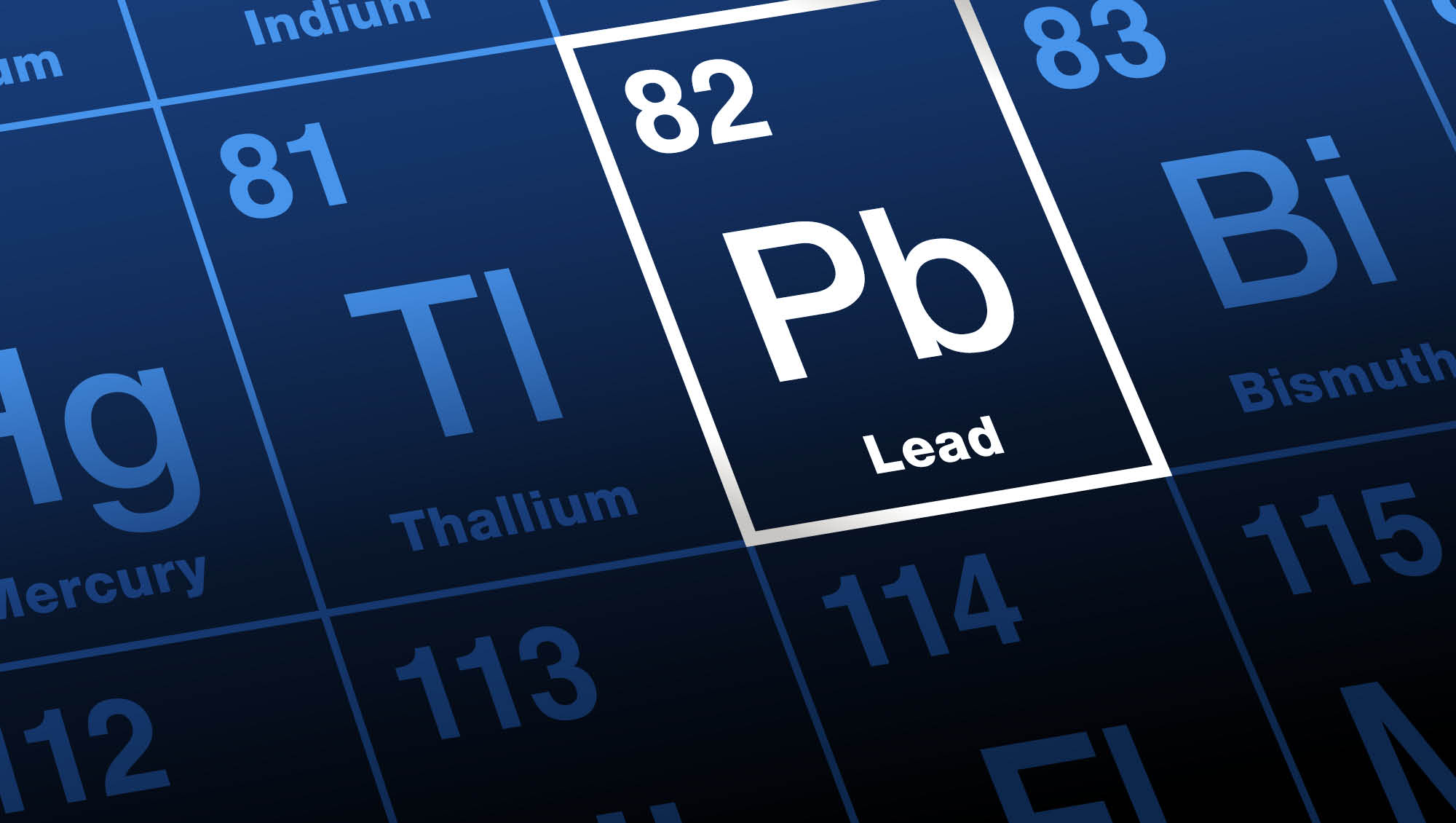
Lead used to be found in scores of everyday products, like paint, gas, and plumbing pipes. Functional-medicine physician Robert Rountree, MD, remembers when paint companies bragged about how lead made their paint more durable. “It took a long time before we came to the consensus that no amount of lead is safe,” he says.
Even so, lead exposure continues to bedevil us because, once on the ground, it sticks to soil particles and leeches into groundwater or gets into dust in your home.
Even low doses of lead can be hazardous to children. Those younger than 7 are at the highest risk because their bodies, brains, and nervous systems are growing quickly and are therefore more susceptible to lead poisoning. Even minimal exposure is associated with ADHD development and lower IQ scores.
Mercury is released into the air from coal-fired power plants, metal production, mining, and wildfires. Like other heavy metals, mercury accumulates in the atmosphere as air pollution. (Learn more about how to protect your lungs at “Take a Deep Breath: Understanding Lung Health and Immunity.”)
Unfortunately, it doesn’t stop there. From the air, mercury settles into bodies of water, where bacteria convert it into methylmercury, a toxin that builds up in fish — particularly larger predatory species.
Mercury’s only upside is that it is easier to avoid than other heavy metals, says Rountree. “Fish is the No. 1 dietary source of mercury, and it’s much easier to get fish that has been tested or to eat smaller fish.” (See “6 Tips to Find Sustainable Seafood” for more.)
More on Heavy-Metals
Heavy metals are impossible to avoid — but there are ways to mitigate your exposure. Learn more at “A Guide to Detoxing Heavy Metals,” from which this article was excerpted.








Comments (0)