



Explore this Article
Not long ago, the words “heavy metal” might have evoked a memory of a piercing riff on an electric guitar. Today, those same words appear in headlines about contaminants in rice, baby foods, and dark chocolate. How did one simple phrase morph from big hair to big scare — and do you really need to wave a metal detector over your meal before you eat?
In fact, some heavy metals are crucial elements of a healthy diet, including copper, iron, and zinc. But others — such as arsenic, cadmium, lead, and mercury — can be harmful, and many of us are experiencing low-dose, long-term exposure to them through food and water.
“As long as we grow things in and on the earth, detectable levels of heavy metals will make their way into food and into people,” says toxicologist Joseph Zagorski, PhD, of Michigan State University’s Center for Research on Ingredient Safety. “But it’s important to remember that ‘detectable’ doesn’t always mean ‘dangerous.’”
A metal is considered heavy if its density is at least five times that of water. While many heavy metals occur naturally in the earth’s crust, their increased presence in our food supply is mostly a legacy of industrialization.
Heavy-metal fallout from factories and farming ends up in the air, soil, and water. As time passes, those metals find their way into animals and plants and, eventually, onto our plates.
Luckily, the body has robust systems designed to protect itself from heavy metals. As we digest food, the gut, liver, and kidneys sort out the helpful from the harmful. Toxins are shuttled into urine, stool, and, according to some experts, sweat.
But the body can’t vanquish every trace of toxic metals. What it can’t heave-ho it diverts into fat and bone for long-term storage. For example, the body sequesters excess lead in bone, possibly because it mistakes it for calcium, which has a similar size and ionic charge.
Low-level long-term exposure can lead to bioaccumulation, where metals build up faster than the body can eliminate them. Bioaccumulation is implicated in a host of health problems, including kidney damage, cardiovascular disease, and learning difficulties. In 2023, the American Heart Association drew a straight line from long-term lead, cadmium, and arsenic exposure to the onset and progression of heart disease and stroke.
Suddenly feeling like you want to skip lunch? Robert Rountree, MD, a functional-medicine physician based in Boulder, Colo., offers some realistic advice. “We are all going to be dealing with potential exposure to metals and other environmental toxins as long as we live, so we have to figure out a way to live with it.”
Rountree recommends starting by becoming informed. Find out what metals or other toxins are most prevalent in your current environment, then take small daily steps toward lowering your exposure in a process he calls “gentle daily detox.”
10 Tips for a Gentle Heavy-Metal Detox
1. Diversify your diet.
The biggest step you can take to protect yourself from heavy metals in your diet is to eat a variety of foods. Eating the same food day after day exposes the body to the same contaminants, says Zagorski. It also narrows the body’s bandwidth for protecting itself.
“The goal is to have nutritive metals outperform nonnutritive ones,” he explains. For instance, iron competes with lead for space on the same transport mechanisms in the gut; so when you eat plenty of iron, there will be fewer empty seats for lead to occupy.
2. Befriend brassicas.
Members of the brassica family — broccoli, kale, cabbage, Brussels sprouts, cauliflower, and more — contain compounds called glucosinolates. These phytochemicals stimulate the liver and other organs to activate Nrf2 protein, a master regulator of antioxidative responses. Turning on Nrf2 is valuable because it tells DNA to make protective enzymes that mitigate the toxic effects of heavy metals, says Rountree. (For tips to get more cruciferous veggies into your diet, see “How to Eat More Brassicas.”)
3. Understand the limits of organic.
Organically grown, non-GMO crops can and do contain heavy metals. Not all organic farmers test their soil for heavy metals, and some vegetables — including spinach and sweet potatoes — are prone to absorbing toxins from the soil.
“If those metals are in the soil, it doesn’t matter if the crop is organic or not, non-GMO or not, they are going to be in the food,” says Zagorski. “It’s a matter of biology and chemistry at that point.”
(Want to go deeper on the soil-health connection? See “How Soil Health Is Connected to Human Health — and So Much More.”)
4. Get your fiber.
Americans are notoriously fiber challenged: On average, we eat just half of the recommended 25 to 30 grams a day. Yet fiber is one of the best weapons we can give our bodies to eliminate certain food-based heavy metals, says Zagorski. “Fiber physically binds up certain unwanted chemicals and allows them to pass through into your stool unabsorbed.”
To get more fiber, try leaving the skin on fruits and vegetables, adding beans to soups and stews, or sprinkling ground flaxseed on yogurt and salads.
One of the best foods to add to your gentle detox is fruit, according to Aparna Natarajan, MS, CNS, a faculty member of the Clinical Nutrition and Functional Medicine program at the University of Western States in Portland, Ore. Citrus and apples are good sources of pectin, a soluble fiber that binds to heavy metals and moves them out of the body.
(You don’t have to overhaul your diet to get more fiber. Try these “Simple Tips to Add More Fiber-Rich Foods to Your Diet.”)
5. Replenish antioxidants.
Heavy metals can cause overproduction of a type of free radical known as reactive oxygen species (ROS). These molecules can harm DNA, disrupt enzyme function, damage cell membranes, and prevent protein folding — a structural process that enables proteins to perform their various vital tasks throughout the body.
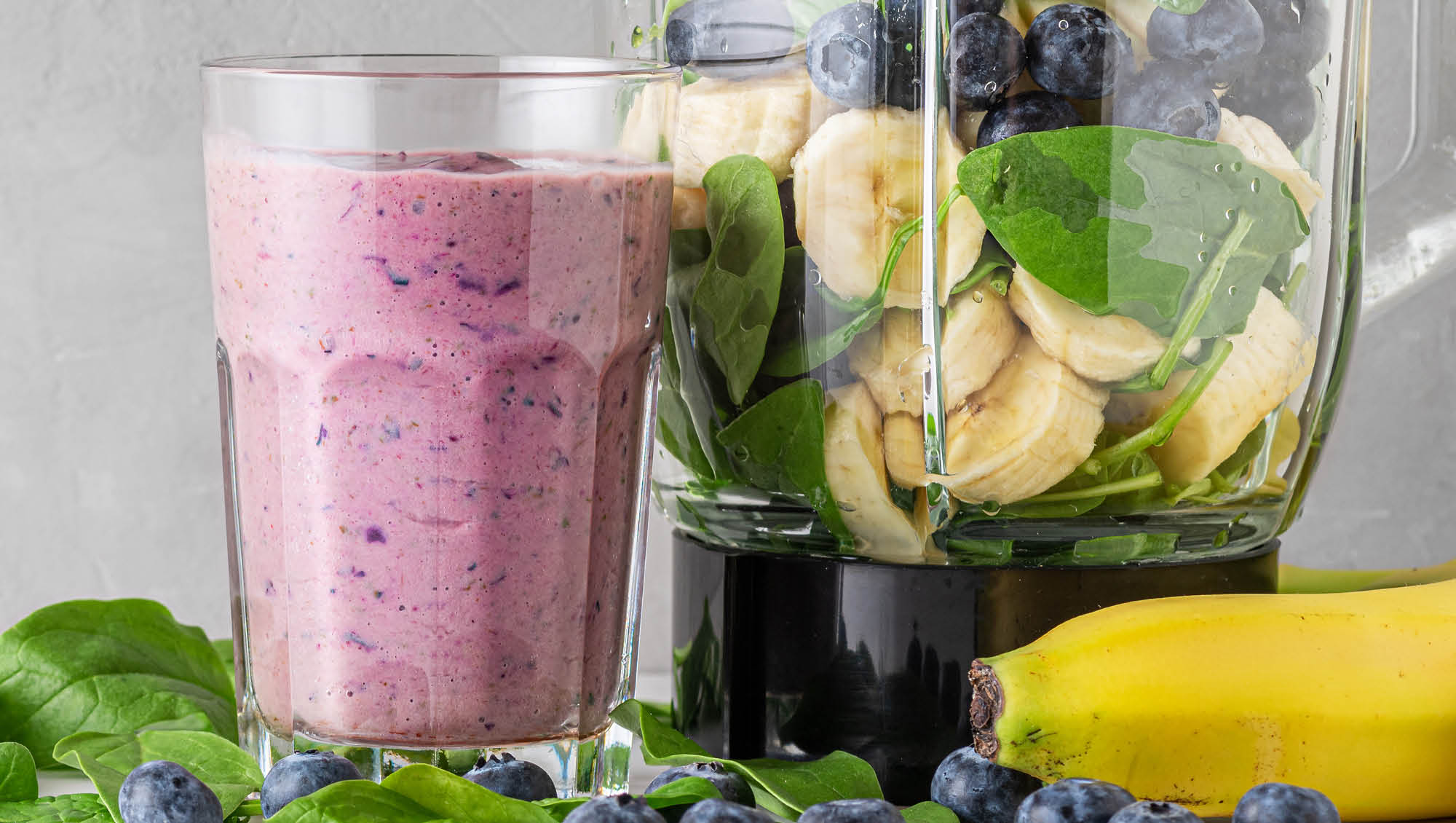
Eating plenty of antioxidant-rich foods can help repair harm caused by ROS. Fruit is a great source of antioxidants and, compared with vegetables, less likely to contain heavy metals. Rountree’s favorite antioxidant-rich picks include berries, pomegranate juice, organic coffee, and green tea.
6. Skip ultraprocessed foods.
By definition, ultraprocessed foods (UPF) are more likely to contain metals. “If the crop itself was contaminated and you add in the possibility of contamination by machines and manufacturing processes, you’re suddenly talking about the potential for multiple routes of heavy-metal exposures for one product,” explains Laurie Beyranevand, JD, director of the Center for Agricultural and Food Systems at Vermont Law and Graduate School.
If you’re trying to avoid UPFs, start by filling your plate with plenty of produce and protein to keep yourself full and satisfied. (Get more advice for cutting back at “The Truth About Ultraprocessed Foods.”)
7. Filter water.
Lead in drinking water is an enduring problem for many communities, but a quality filter can significantly lower your exposure. Look for filters certified by an independent testing organization, such as the National Sanitation Foundation. Certification should show NSF Standard 53 for lead removal and NSF Standard 42 for particulate removal.
If you want localized information, your water authority might be willing to test your water or let you know if lead pipes provide water to your home.
8. Boil — don’t steam — your rice.
Rice is frequently high in arsenic, but cooking it like pasta can reduce that contaminant by 40 to 60 percent.
To use the pasta method, cook 1 cup of rinsed rice in 6 to 10 cups of water, and drain the excess water before eating. The downside to this approach is that it also slashes the grain’s healthful nutrients, such as folate and iron, by 50 to 70 percent.
Another option is parboiling, a common Ayurvedic method and Natarajan’s preference. She starts with hand-pounded sona masoori rice that has had its husks removed without metal equipment. Then she boils roughly 10 cups of water with 1 cup of rice. Once the grains start to soften, she drains the water, then adds 2 cups of fresh water, covers the pot, and finishes the rice on low heat. This method allows the rice to retain most of its nutrients.
It’s also valuable to consider the rice source. According to the nonprofit Healthy Babies Bright Futures, the highest levels of heavy metals are found in white rice grown in the southeastern United States, brown rice from any location, and arborio rice from Italy. The lowest levels are found in white rice grown in California, jasmine rice from Thailand, and basmati rice from India.
Finally, consider branching out to other grains. Compared with rice, whole grains like quinoa, barley, and farro contain fewer heavy metals and more fiber. (See “11 Ancient Grains to Try.”)
9. Be choosy about fish.
Fish is an excellent source of protein, omega-3 fatty acids, and other key vitamins and minerals. But because heavy metals bioaccumulate in large fish, smaller seafood is a better bet.
Opt for anchovies, catfish, flounder, haddock, sardines, and tilapia. Eat less swordfish, shark, and orange roughy. And if you like canned tuna, buy light tuna, which tends to be a smaller species like skipjack, as opposed to albacore, which typically packs three times more mercury.
10. Aim for progress, not perfection.
“Our living environments will never be perfectly pure,” Rountree says. As you progress toward less exposure, he adds, don’t let perfect be the enemy of “good enough, because doing so can drive you crazy.” At the end of the day, Zagorski says, focus on the foundations of good health — sleep, hydration, exercise, and a healthy diet. “Your body knows what to do and can take care of the rest.”
Want More Thoughtful Health Insights?

The Heavy-Metal Big Four
Arsenic ranks No. 1 on the list of environmental substances posing the greatest threat to human health because it’s found in one of the world’s most-consumed foods: rice. Compared with other crops, rice accumulates significantly more arsenic.
Processed rice pops up in lots of foods designed for children: rice cereal, puffed rice, rice cakes. A recent report from the nonprofit Healthy Babies Bright Futures found arsenic in 100 percent of 145 rice samples purchased in U.S. stores.
Cadmium enters the soil through mining, metal plating, and agriculture. Because cadmium is chemically similar to zinc, crops that efficiently absorb zinc — such as sweet potatoes, spinach, and broccoli — can also inadvertently draw cadmium up through their roots.
Working as a chef gave Danyelle Forte a deep appreciation for feeding people, so she returned to school to study agriculture. Now a doctoral student at the University of California, Davis, she’s working to breed spinach for low-cadmium accumulation. “I’m always reminded that even though I’m working with the plants, this food is going on people’s tables,” she says.
Forte first learned about cadmium hitchhiking into zinc-rich foods while working with Mars, Incorporated, one of the chocolatiers trying to protect dark chocolate from heavy metals in the soil of cacao-producing regions. The darker the chocolate, the higher the cacao content and the greater the risk. (Learn more about heavy metals in dark chocolate at “Are There Heavy Metals in Dark Chocolate?“)
Lead used to be found in scores of everyday products, like paint, gas, and plumbing pipes. Functional-medicine physician Robert Rountree, MD, remembers when paint companies bragged about how lead made their paint more durable. “It took a long time before we came to the consensus that no amount of lead is safe,” he says.
Even so, lead exposure continues to bedevil us because, once on the ground, it sticks to soil particles and leeches into groundwater or gets into dust in your home.
Even low doses of lead can be hazardous to children. Those younger than 7 are at the highest risk because their bodies, brains, and nervous systems are growing quickly and are therefore more susceptible to lead poisoning. Even minimal exposure is associated with ADHD development and lower IQ scores.
Mercury is released into the air from coal-fired power plants, metal production, mining, and wildfires. Like other heavy metals, mercury accumulates in the atmosphere as air pollution. (Learn more about how to protect your lungs at “Take a Deep Breath: Understanding Lung Health and Immunity.”)
Unfortunately, it doesn’t stop there. From the air, mercury settles into bodies of water, where bacteria convert it into methylmercury, a toxin that builds up in fish — particularly larger predatory species.
Mercury’s only upside is that it is easier to avoid than other heavy metals, says Rountree. “Fish is the No. 1 dietary source of mercury, and it’s much easier to get fish that has been tested or to eat smaller fish.” (See “6 Tips to Find Sustainable Seafood” for more.)
Buffer Nutrients
We are all exposed to heavy metals daily, but not equally. People who live in suburbs have different exposures than those who live in an urban center. A nail technician has different risks than an office worker.
Even genes influence how the body processes heavy metals. Up to 40 percent of people carry a genetic variant known as MTHFR, which can indirectly affect the body’s ability to eliminate toxins.
If you suspect your daily exposure is unavoidably high or that your body’s detox systems need a boost, it’s worth considering one of these supplements.
Vitamin B complexes — specifically those including B9 (folate), B12, and B6 — can mitigate the risk of heavy metals because they help the body metabolize homocysteine, an amino acid and waste product created when the body encounters certain toxins. When homocysteine levels stay high, a person’s risk of dementia, heart disease, stroke, and osteoporosis can increase. (Explore this comprehensive guide to B vitamins that outlines why you need them, signs of deficiency, and recommended dosages.)
Chlorella is a microalga rich in B12, folate, iron, and other nutrients. “You take it as a powder or capsules; it’s very safe and has decent data showing it binds to metals and other toxins, such as dioxin,” says functional-medicine physician Robert Rountree, MD. “It’s a simple, inexpensive strategy that anyone can benefit from.”
Multivitamins/multiminerals are a basic safeguard. A lot of people assume multivitamins aren’t especially useful, says Rountree, but “you can make a pretty good argument for a simple multivitamin or multimineral to ensure you’re getting adequate amounts of nutrients, like calcium and zinc, that compete with toxic metals for absorption.”
N-acetylcysteine (NAC) is a precursor to glutathione, the body’s primary antioxidant. Glutathione makes heavy metals less toxic and allows them to be excreted, explains toxicologist Joseph Zagorski, PhD. Since glutathione itself doesn’t translate well to supplement form, NAC’s glutathione-enhancing abilities make it the next best thing. (Learn more about glutathione and how to boost your levels at “8 Ways to Boost Glutathione.”)
This article originally appeared as “Your Heavy-Metal Detox Guide” in the September/October 2026 issue of Experience Life.





Comments (0)