



What it shows:
Research has found that poor one-legged balance is a reliable indicator of age-related decline in muscle strength and nervous-system coordination. “The ability to stabilize your body on one leg is involved in so many movements, including stepping, lunging, and reaching up to grab something,” explains Christine Cernera, CPT, a personal trainer specializing in senior fitness. “As we get older, we naturally lose muscle mass and our reaction times slow. That’s why intentionally practicing balance, along with strength training, becomes increasingly important for maintaining stability and reducing fall risk.”
About one in four U.S. adults age 65 and older reports falling each year, and falls are the leading cause of injury-related death among seniors.
How to test:
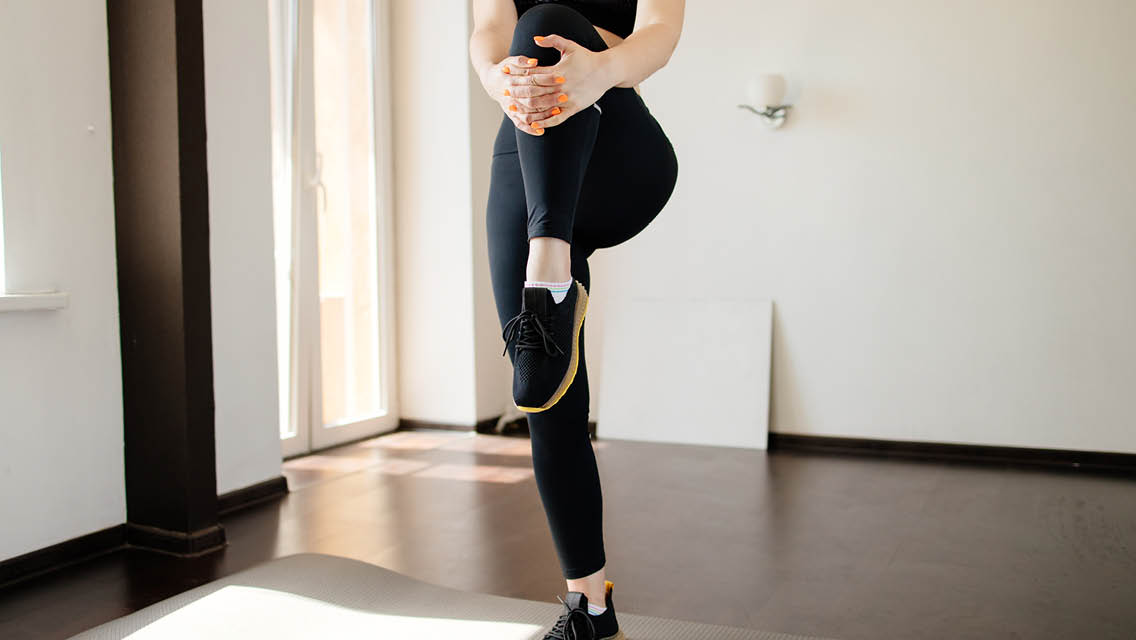
Stand on one leg and hold the pose for as long as you can. Switch legs and repeat. Aim for at least 30 seconds per side.
How to improve:
For a full-body balance workout, visit “How to Build Your Balance.”
DIY Longevity Tests
Learn how to also assess your strength and coordination at “3 DIY Longevity Tests,” from which this article was excerpted.




Comments (0)