


There are everyday actions we rarely think twice about: standing up from a chair, reaching for something on a high shelf, turning to check your blind spot while driving, or bending over to pick something up from the floor. But these movements rely on healthy joints, strong hips, and a flexible spine. And if we want to keep moving with ease as we age, we can’t ignore these essential parts of the body — especially when faced with stiffness, strain, or limited mobility.
“When it comes to preserving joint, hip, and spine health, there’s a common misconception that there isn’t anything you can do, and that these areas simply decline with age,” says Neal Calabrese, DC, licensed chiropractor at LifeClinic in New York. “While it’s true there will be changes as you get older, there’s still a lot you can do to preserve strength and mobility and keep your body moving well. Caring for your joints, hips, and spine now can help you stay active and independent for years to come.”
How does our joint, hip, and spine health change with age?
As you age, your body’s resilience can naturally decline, making it more challenging to recover from degenerative changes or injuries. “Our margin for error goes down as we get older,” says Calabrese. “When you’re younger, you can bounce back quicker because you have more stem cells, a faster regeneration of tissue, and other metabolic factors and hormonal benefits on your side.”
If you begin to notice tightness, stiffness, or asymmetry, these are signs of underlying issues that need to be addressed.
“Say you get down into a squat, and you feel a lot tighter on one side than the other — that’s a sign your body is trying to overcompensate,” he says. “The body is smart: If something hurts or feels off, it’ll automatically shift load away from that area and onto somewhere else. That’s a good short-term survival strategy. But the problem is, your body doesn’t switch back automatically. It keeps moving in that compensated pattern. Now you’ve got an area of the body doing work it wasn’t built to do, and in time, that area can start breaking down too.”
This is one reason why addressing the root cause of pain, soreness, and tightness is integral: “If you just chase the symptom, you’re only ever treating where the problem showed up — not where it originated,” Calabrese says. “For example, if your knee hurts, the real issue could be a hip that’s not moving well. You can treat the knee all day, but until you fix the hip, the knee is going to keep taking the extra load, and the pain is going to keep coming back. Getting to the root cause is the difference between a fix that lasts and one that’s temporary.”
The impacts of aging on our joints, hips, and spine aren’t noticeable overnight. “Tissues lose some of their elasticity, muscle mass naturally declines if you’re not actively strength training, and your body’s ability to recover slows down,” he says. “These changes are gradual, but the net effect is that your body has less cushion to absorb day-to-day wear and tear.”
Common effects of aging on the joints, hips, and spine include:
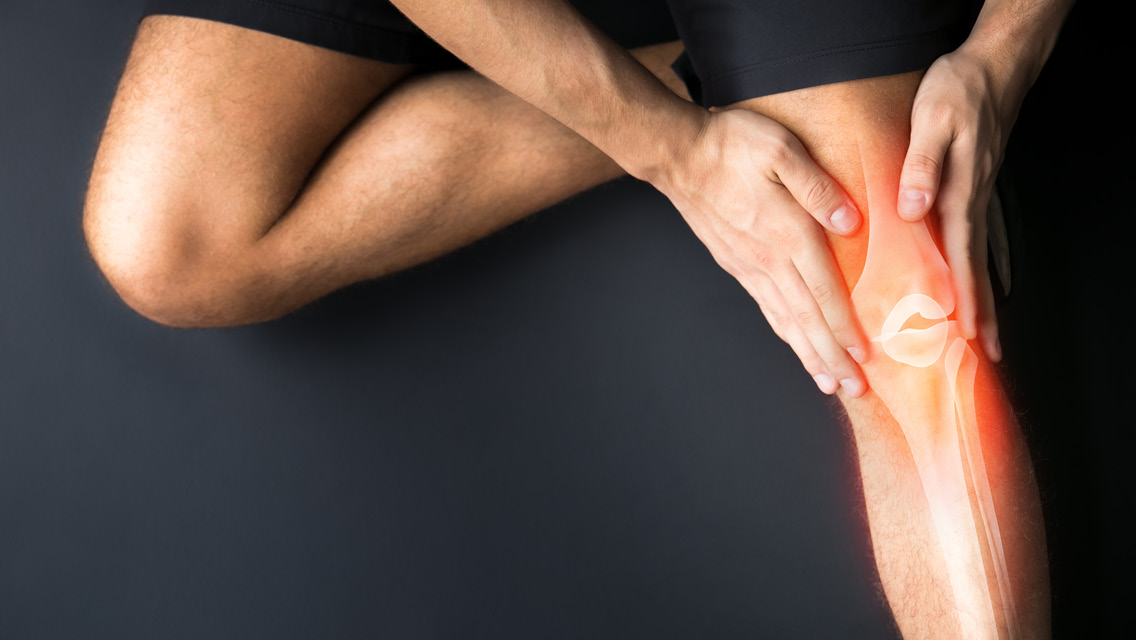
Joints: “The cartilage that cushions the joints gets thinner and less hydrated over time, so there’s less shock absorption,” says Calabrese. “You can also get some thickening of the bones around the joints as the body tries to stabilize an area that’s under more stress. Eventually, this can lead to a limited range of motion, while encroaching on nearby structures, leading to symptoms of numbness, tingling, weakness, and pain.”
Hips: “Aging can lead to a loss of hip extension and internal rotation, leading to a limited range of motion during squats, tight hip flexors, and low back pain,” he explains. “The muscles around the hips now have more responsibility while being in a less advantageous position to fire properly. This leads to less muscle activation and loss of glute muscle mass. A combination of these results in shortened stride and decreased strength and balance, affecting gait and increasing fall risk.”
Spine: “The discs between the vertebrae lose hydration and height over time,” he notes. “You tend to see changes concentrate in whichever areas of the spine have carried the most consistent load; most often, this is in the neck and lower back.”
5 Habits to Protect Your Joint, Hip, and Spine Health
Intentional and consistent movement is the best way to maintain your joint, hip, and spinal health, Calabrese says. Building a few key habits into your routine can help support mobility, reduce unnecessary strain, and allow you to continue doing the activities you love.
1. Strength Train Regularly
Strength training becomes increasingly important for maintaining muscle mass, which naturally begins to decrease around the age of 25. “Some muscle loss with age is unavoidable due to diminishing levels of muscle-building hormones and a declining capacity to convert food into muscle,” says Calabrese. “However, regular strength training can help you preserve muscle mass and is key for the benefit of both your overall health and specifically for your joint, hip, and spine health.”
How strength training supports the joints, hips, and spine:
Joints: “Your bones need an appropriate amount of stress to remain strong, which happens from strength training and, in turn, helps support the joints,” says Nick Fey, Dynamic Personal Trainer at Life Time Des Moines in Urbandale, Iowa. “Strength training also helps the muscles around each joint become stronger and better able to support it. This improved strength and stability helps distribute force effectively, not only during exercise but also during everyday activities.”
Strength moves for healthier joints: squats, step-ups, rows, presses, farmer’s carry, and controlled bodyweight movements.
Hips: “Your hips have many important muscle groups around them, including the glutes, quadriceps, hamstrings, and core,” explains Fey. “Having functional strength in these areas can help you control movement, maintain balance, and absorb force. Strong hip muscles are very important for your independence as you age, because they control much of your body’s stability and help with fall prevention.”
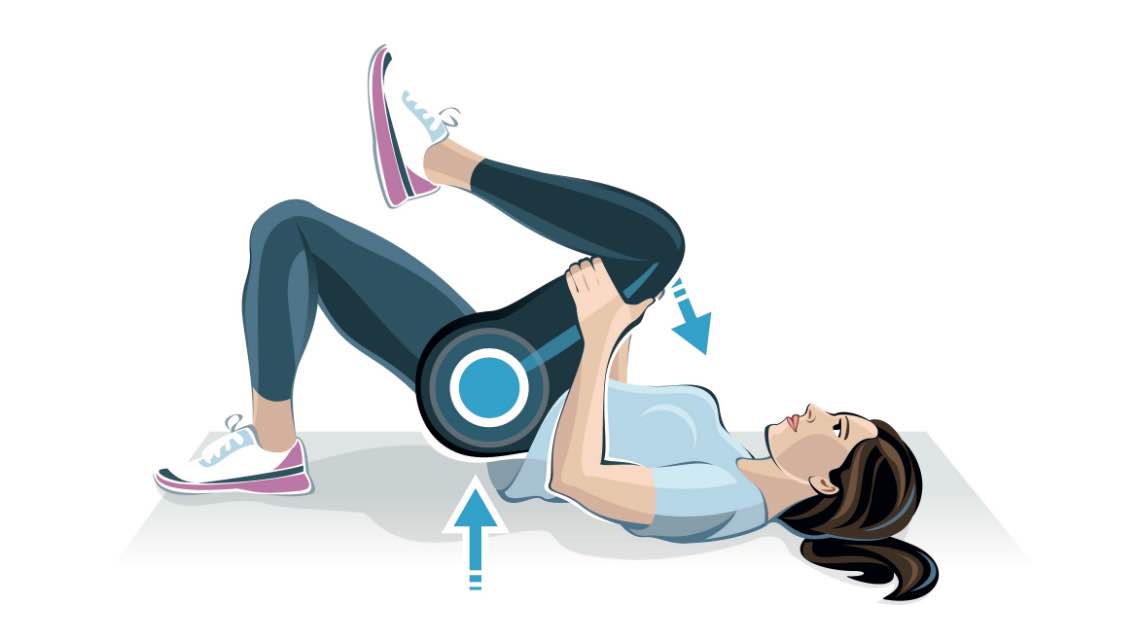
Strength moves for healthier hips: glute bridges, step-ups, chair squats, and hinge variations like deadlifts.
Spine: “The spine relies on many muscle groups to support posture and control movement, including the core, hips, back, and upper-body muscles,” says Fey. “Your spine is supposed to provide support while also allowing enough mobility to bend and rotate appropriately. Strength training the muscles around the spine helps you find a balance between stability and motor control. This can help keep your spine healthy while also allowing you to use the proper ranges of motion needed for daily activities.”
Strength moves for a healthier spine: core isolation exercises, such as planks; compound movements, such as rows or hinges; and functional movements, such as farmer’s carry.
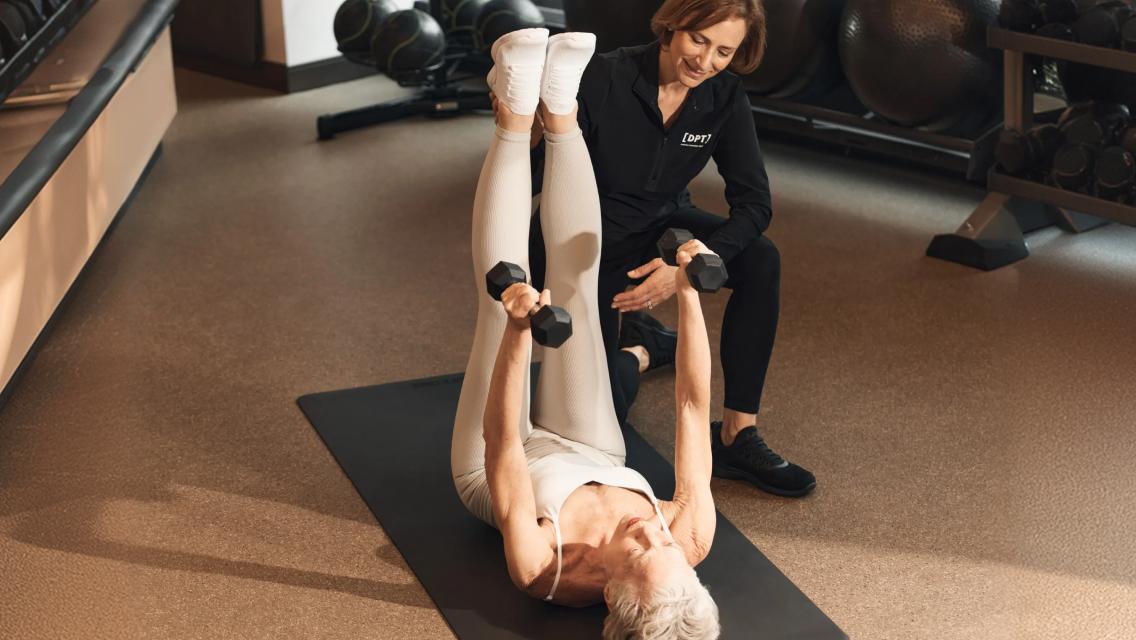
Fey recommends strength training at least two days per week, focusing on a full-body routine that includes exercises to support the joints, hips, and spine. “Two days per week is a great place to start, especially for someone who is newer to strength training or building consistency,” he says. “As your body adapts and recovery is going well, you can gradually add another strength day or increase the amount of work you are doing during each session. The goal is to progress slowly enough that you continue getting stronger without adding more training than your body can recover from.”
2. Keep Moving Throughout the Day
Much of the deterioration attributed to aging is linked to physical inactivity, which is why regular movement is necessary. “Although there certainly is a time when sedentary rest is needed, when it’s not balanced with appropriate movement, it can often accelerate issues in the body,” says Calabrese.
How regular movement supports the joints, hips, and spine:
Joints: “Joints rely on movement to stay nourished, as moving them is what circulates fluid through the joint space,” Calabrese notes. “If you sit still for too long, that exchange slows way down and the joints aren’t getting what they need to stay healthy.”
Hips: “The hips are made to move through a big range of motion, and constant sitting keeps them locked in one shortened position for hours,” he says. “Over time, that tightens up the front of the hip and weakens the muscles around it.”
Spine: “In the spine, we have discs between our vertebrae that don’t get a lot of blood supply, and the way those discs remain hydrated is through movement; every step you take compresses and expands your spine, allowing fluid to move in and out,” he explains. “Sitting also loads the lower spine more than standing does, which tends to pull people into a slouched, forward-head posture. If you hold that position for long enough, it becomes the body’s default and the muscles that are supposed to support an upright spine get weak and tight in all the wrong places.”
Fey advises 150 minutes of moderate-intensity exercise (in addition to your resistance-training sessions) each week, while also aiming to get other steps and small bouts of movement in during each day. He encourages his clients to move with purpose at least three times a day: “My personal goals are two sessions of stretching and mobility during the day, along with one physical activity for 30 minutes in between, like walking, resistance training, yard work, or another form of purposeful movement,” he says. “If you don’t have 30 minutes, you can break it into three sets of 10 minutes. The main message is to move often and try to avoid long periods of time without activity.”
3. Consider Chiropractic Care to Address Pain
Pain or soreness doesn’t have to be an inevitable trait of aging. “When aging people get diagnosed with arthritis, for example, many begin to accept pain as part of their identity,” says Calabrese. “I hear patients say, ‘Well, I can’t do this activity due to my diagnosis,’ and while there are cases where that may be true, there are plenty of things we can do to provide relief and get you back to doing the things you love.”
At LifeClinic, the chiropractors are trained to look at your body as a whole system, identifying dysfunctions that are causing it to make compensations. “Our approach to care starts with identifying the root cause of any pain or soreness, then we follow with a holistic approach of soft-tissue work, spinal adjustments, and rehab exercises to get you back to a pain- or ache-free status,” he says.
How chiropractic care supports the joints, hips, and spine:
Joints: “Chiropractic adjustments can restore normal movement in joints that are restricted or not moving through a full range of motion,” says Calabrese.
Hips: “Chiropractic adjustments can give the hips some temporarily increased range of motion. Soft tissue work also loosens up the muscles and tissues around the hips, which allows the chiropractor to manipulate the hip more and move it into ranges of motions not accessible before the treatment session,” he says.
Spine: “Regular adjustments help restore motion to segments of the spine that have become restricted, as well as ease the muscle tension that builds up around those areas and support better posture and balance overall,” he notes.
4. Prioritize Recovery
Recovery is often the most overlooked part of training, says Fey. “Without proper recovery, we do not give our bodies the opportunity to grow, adapt, and improve from the stress we put them through.”
Recovery can be described as a period of lower-intensity activity that helps promote healthy adaptations within the body, he explains, but it also includes sleep, hydration, and nutrition. “As we age, recovery can become even more important, because the body may not bounce back from physical stress as quickly as it once did,” he says. “That does not mean we should avoid challenging exercise, but we may need to be more intentional about how quickly we progress, how much recovery we allow between harder workouts, and how well we support that recovery through sleep, hydration, nutrition, and lighter movement days. The goal is to recover well enough that we can continue training consistently, because maintaining that consistency is a big part of preserving strength, mobility, and independence as we age.”
How recovery supports the joints, hips, and spine:
Joints: “Recovery gives the muscles and tissues around the joints time to adapt to the stress we place on them during exercise,” says Fey. “When those muscles are overly fatigued or sore, they may not support and control the joint as effectively, which can change how force is distributed during movement and cause overcompensation. Light activity, mobility work, and adequate rest can help keep the joint moving while reducing additional stress.”
Hips: “The hips are involved in most of our daily movement, including walking, climbing stairs, getting out of a chair, and strength training,” he notes. “If the muscles around the hips are too fatigued, we may start changing how we move without realizing it, such as shifting our weight or relying more on the knees or lower back. Appropriate recovery helps those muscles adapt, so we can return to activity with better strength and control.”
Spine: “The muscles surrounding the spine are constantly working to support posture, control movement, and manage force throughout the day,” he says. “When those muscles become overly fatigued, it can become harder to maintain good control during lifting and everyday posture. Sleep, lower-intensity activity, and mobility work can help manage that fatigue and prepare the body for the next workout or day of activity.”
Fey advises including intentional recovery time in your routine. This could include taking a yoga class, a stretch session with a Dynamic Stretch specialist, getting a massage, or using the hydrotherapy suite or LT Recovery zone amenities — as well as prioritizing seven to eight hours of sleep each night and adequate hydration and protein and nutrient intake.
5. Incorporate Stretching and Mobility Work
Stretching and mobility work play an important role in functional and safe movement patterns. “Stretching refers to the flexibility or length of a muscle, while mobility refers to the ability to move through a controlled range of motion,” explains Fey. “Maintaining mobility helps us continue accessing the positions we need for everyday life. Reaching overhead, getting down to the floor, turning, or getting in and out of a chair all require a certain amount of a usable range of motion. Stretching can help maintain flexibility, while mobility work helps us actively control that range.”
How stretching and mobility work supports the joints, hips, and spine:
Joints: “Joints are designed to move and regularly taking them through comfortable ranges of motion helps maintain how well they function,” says Fey. “Stretching and mobility work can reduce feelings of stiffness and help preserve the motion needed for things like reaching, bending, squatting, and walking.”
Hips: “Having enough hip mobility can make it easier to squat, walk, step, and rotate without relying too heavily on the lower back or knees,” he adds.
Spine: “Spinal mobility can help you maintain the ability to bend and rotate during daily activities,” he says.
If you’re new to stretching and mobility work, Fey recommends signing up for a session with a Dynamic Personal Trainer or a Dynamic Stretch specialist. “They can assess your current range of motion, take note of any limitations, and collaborate with you to create a plan that fits your needs and goals.”
For a daily routine, he advises his clients to stretch for at least five minutes every morning and every night. “Stretching in the morning can help reduce stiffness and prepare the body for the movements and positions it will encounter throughout the day; stretching at night can be a helpful way to relax, address areas that tighten up during the day, and transition into a more restful bedtime routine,” he says. “I also encourage people to work mobility into things they are already doing, such as their warm-up before strength training, a short movement break during the workday, or a few minutes after a walk. It does not always need to be a separate workout to be effective.”