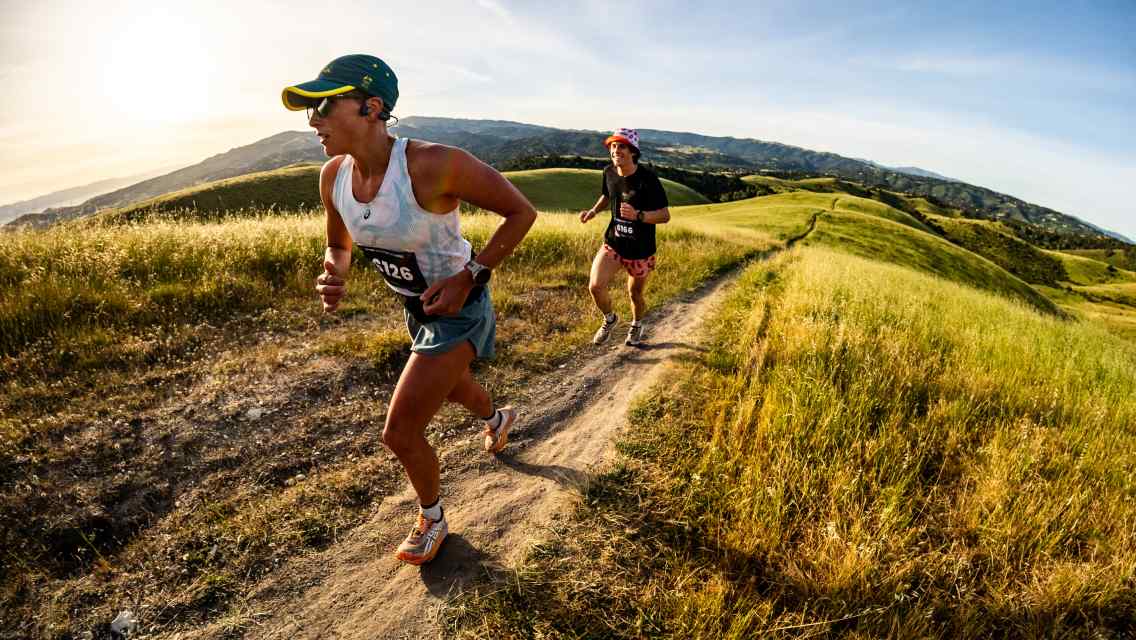



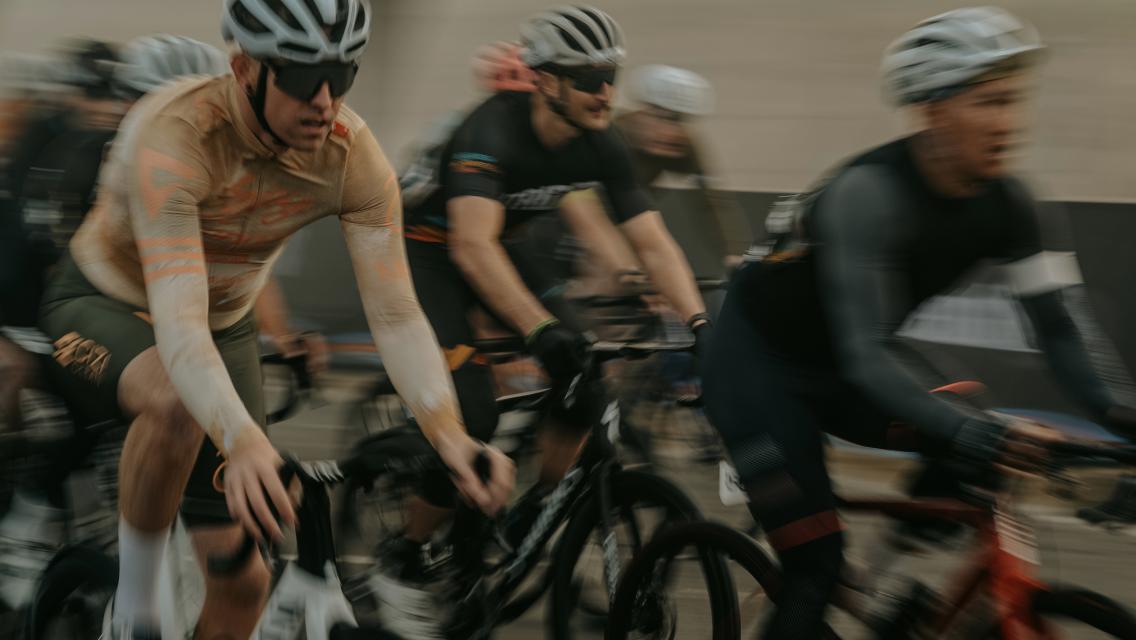
Whether you’re training for a 5K, marathon, triathlon, cycling event, or fitness competition, preparation involves more than logging miles or workouts. Things like strength training, mobility, recovery, and fueling also play a role — and having access to them in one place can make the process easier and more effective.
“Life Time provides a well-rounded training environment that supports every phase of athletic preparation,” says Omar Walden, Dynamic Personal Trainer at Life Time in Coral Gables, Fla. “No matter what type of event someone is training for and what level they’re starting or competing at, their athletic country club can assist them in reaching their goals. The biggest advantage is that members can complete every aspect of their program all in one place.”
Beyond the convenience and variety of amenities in one locale, there’s also the option of partnering with professional support, notes Walden. “Athletes are most successful when they can consistently train, recover, and adapt their program over time, and for many, some level of professional support is needed to do that most successfully. The combination is ultimately what helps people perform better, stay healthier, and enjoy the process leading up to an event or competition.”
Explore the offerings you can take full advantage of at your Life Time athletic country club as you prepare for your next event.
1. Fitness Equipment
Every Life Time club features an expansive workout floor, which has free weights, state-of-the-art cardio and resistance-training machines, and designated stretching areas. The variety means you can build every part of your race readiness in one place.
“Athletes will find the equipment they need for performance, development, and injury prevention,” says Walden.
Here’s how each area of the workout floor can support your event training:
- Cardio options for endurance. Treadmills, Woodway-style running surfaces (like the Skillmill), indoor cycling bikes, rowers, and stair climbers help you build the endurance your event demands.
- Functional training spaces for power and agility. Sleds, turf, kettlebells, battle ropes, and plyometric equipment can help you develop the coordination and explosiveness that carry you through tough stretches of a race.
- Strength-training areas for durability. With free weights, racks, platforms, and machines, you can focus on building the total-body strength and durability that will help you better handle impact and arrive at the start line feeling resilient.
- Recovery and mobility tools for consistency. Foam rollers, stretching tables, percussive devices, and compression therapy can be used to improve your range of motion and movement quality, as well as to help you bounce back between sessions.
2. Active Metabolic Assessment.
This test shows exactly how much oxygen you consume and carbon dioxide you expire, providing personalized heart-rate zones to guide your workouts. Instead of guessing at your effort, you’ll know precisely how hard to push each day of your training plan. It’s straightforward data that allows you to train more efficiently. (Learn more: “What to Know About the Active Metabolic Assessment at Life Time.”)
3. Dynamic Personal Training
Working with a Dynamic Personal Trainer can be the difference-maker as you pursue your athletic event goals.
“When we work with members training for fitness endeavors, it requires a strategic progression that balances performance gains with proper recovery,” Walden says. “We will first evaluate their current fitness level, experience, injury history, schedule, and lifestyle, and specific event or competition goals. From there, we’re able to create a plan tailored to the individual, adjusting as needed in real time as they go through it — and remove any guesswork for them.”
A structured, event-specific training program typically includes a periodized strength and conditioning plan, endurance or sport-specific sessions, recovery days and de-load weeks, and mobility and corrective work, according to Walden. The trainer can also set performance benchmarks with you, track your progress, and offer nutrition guidance when appropriate.
“The goal is not only helping someone perform better on race day, but also helping them arrive healthy and confident,” adds Walden.
4. Dynamic Nutrition Coaching
How you fuel your body influences how well you train, recover, and perform. When you’re preparing for an event, that connection becomes all the more important — and a Dynamic Nutrition Coach can help you get it right.
A coach can develop a nutrition plan around your training that also fits into your lifestyle. They can ensure you’re eating enough to sustain hard sessions, nourishing your muscles so they repair and adapt, and adjusting your intake as needed as the demands of your plan shift. They can also help guide you on how to best fuel before and during your event. (Learn more: “5 Ways a Nutrition Coach Can Support Your Fitness Training.”)
At Life Time, you can also swing by the LifeCafe and take advantage of their healthy shake, meal, and snack options — they’re convenient ways to support your training without an extra stop.
5. Life Time Studio Classes
Hundreds of group fitness classes are available on the schedule each week, and many of them can double as training for your event. Here’s how different class styles might fit into your training:
- Strength classes for resilience. Classes built around weights and resistance help you develop the strength that protects you through weeks of training. A stronger body also means you handle repetitive impact better.
- Cardio classes for capacity. Build your aerobic capacity with formats that keep your heart rate up. Interval-style classes train your body to recover quickly between hard efforts, so you can better push through demanding periods of an event.
- Cycle classes for endurance and power. Training for a cycling event? Indoor cycling is a no-brainer for building lower-body strength and cardiovascular endurance with minimal impact on your joints.
- Yoga for active recovery. Yoga can improve your mobility and range of motion, which can translate to more efficient mechanics on race day. It’s also a great way to calm your body and mind between hard sessions.
6. Signature Group Training
Group training can add structure, community, and accountability to your plan, all of which can be especially valuable during long training cycles. “Training for an event takes weeks or months of effort, and it’s common for motivation to waver at points along the way,” says Walden. “Having a regular class on your calendar and a group of people expecting you to show up gives you a reason to.”
The design of the formats can also advance your training. “Athletic-focused classes such as GTX, Alpha, Ultra Fit, and HYBRID XT can help improve cardiovascular and muscular endurance, speed and power output, mobility and core stability, and mental toughness and consistency,” says Walden.
- GTX: The 50/50 split between cardio and strength work in this program can be especially helpful when you’re training for endurance events such as running races, cycling events, triathlons, or longer athletic events where athletes benefit from a mix of aerobic conditioning and total-body strength.
- Alpha: The focus on Olympic-style weightlifting and metabolic conditioning can help prepare you for events that demand strength, power, and muscular endurance, especially challenging cycle, gravel, or trail events like the Leadville Trail 100 MTB or other races featuring sustained climbs and repeated hard efforts.
- Ultra Fit: The sprinting, along with balance and strength work, can support training for running events where speed, power, and efficiency matter, such as a 5K, 10K, or half marathon. It can also help athletes looking to build speed toward a personal record. This is best for events like the Chicago Spring Half Marathon, Miami Half Marathon, Phoenix 10K, or the Leadville Heavy Half Marathon.
- HYBRID XT: This multi-modality training combines running, rowing, lifting, and athletic skill that can help prepare you for fitness competitions like the LT Games. It can also serve as great cross-training for demanding endurance efforts like the Leadville Trail 100 Run.
7. LT Recovery Zone
Recovery is often an overlooked part of training — but it’s where the real progress happens. When you’re preparing for an event, your body adapts and gets stronger during rest, not just during workouts. If you skip it, you’re risking soreness, fatigue, or injury that could derail your training.
“The variety of recovery modalities at Life Time offer something for all types of athletes and can play an important role in your post-workout plan,” says Walden.
Here’s how some of the recovery tools can support you:
- CryoLounge chairs for decreasing inflammation and a post-workout reset. These chairs deliver targeted hot and cold therapy in a dry setting. The cold can help reduce inflammation and draw blood away from designated areas, while the heat can bring new blood back in and relax the muscles.
- Normatec compression sleeves (or “boots”) for tired legs. These sleeves use patented compression technology to enhance circulation, speed up recovery, and reduce soreness. “This technology helps stimulate circulation and reduce feelings of heaviness and soreness in the legs after hard training sessions or endurance events,” says Walden.
- HydroMassage lounge chairs for relaxing the body and relieving muscle tension. This chair uses high-pressure jets filled with hot water that move up and down the body to massage your muscles. “These sessions allow your muscles to relax, promote circulation, and support overall recovery,” says Walden.
- Sauna, cold plunge, steam room, and whirlpool for full-body recovery. Each of these amenities at your club has unique benefits. “The hot and cold nature of these recovery modalities can play an important role in post-workout recovery by promoting circulation, reducing muscular tension, and helping athletes mentally decompress,” says Walden.
(Learn more: “5 Ways to Spend a Recovery Day at Life Time.”)
8. Dynamic Stretch
Stretching is easy to skip when you’ve only got so much time in the day to train. But a Dynamic Stretch session — a hands-on 25- or 50-minute assisted-stretch tailored to your goals — is a time investment that can pay off in real ways come race day.
The focused attention from a trained professional allows you to reach deeper stretches than you’d be able to on your own; they also know how to target areas impacted by your training.
“Dynamic Stretch sessions can help improve flexibility and mobility, reduce muscular tightness, increase circulation, and improve movement quality and range of motion,” says Walden. “For athletes, this can translate to better performance mechanics and reduced injury risk.”
9. Massage Therapy at LifeSpa
Your muscles can take a beating while training for an event. Long runs, hard intervals, and back-to-back sessions add up, often leaving your muscles feeling tight or fatigued. A massage at LifeSpa can help you stay ahead of it.
“Massage therapy can be incredibly valuable for athletes, especially during peak training periods or post-race recovery,” says Walden. “Sports massage and recovery-focused bodywork may help reduce muscle tightness, improve tissue quality, enhance mobility, and accelerate recovery between training sessions.”